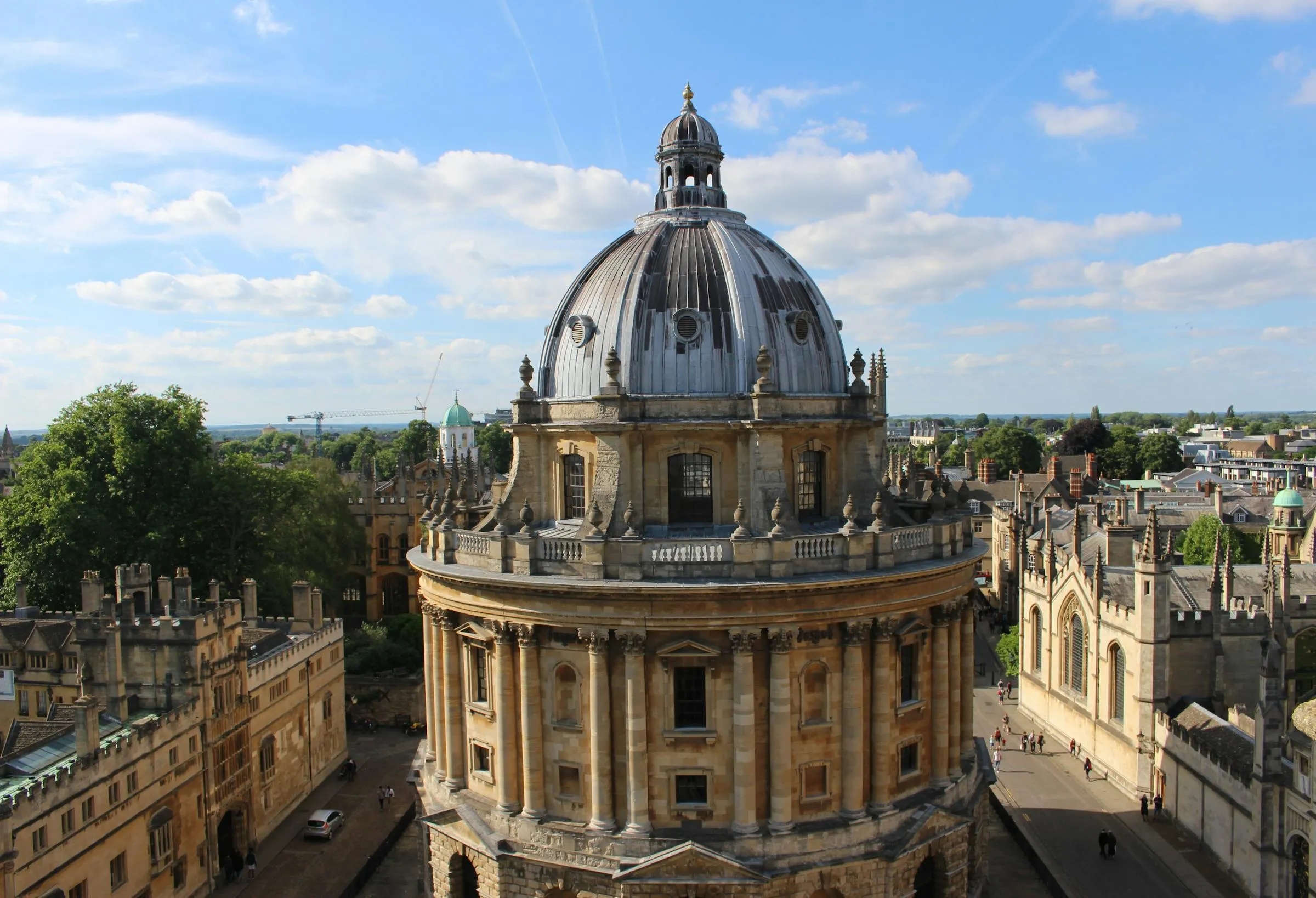
Student Visa Guide Switzerland 2026
How to get a Swiss student residence permit in 2026: cantonal process, financial proof (CHF 21,000/year), health insurance, work rights, and processing times.
On this page
- Who Needs a Swiss Student Residence Permit?
- Step-by-Step Application Process
- Financial Requirements: CHF 21,000 Per Year
- Health Insurance: Mandatory and Non-Negotiable
- Application Fees and Costs
- Working Rights for International Students
- After Graduation: Staying in Switzerland
- Common Mistakes and How to Avoid Them
- Canton-Specific Differences
- Checklist: Before You Fly to Switzerland
- Accommodation Requirements for Your Permit
- Banking and Financial Setup in Switzerland
- Digital Services and First-Week Essentials
- Frequently Asked Questions
Switzerland does not issue a traditional student visa. Instead, non-EU/EFTA students apply for a residence permit for education (Aufenthaltsbewilligung B). The process runs through your local cantonal migration office, not a central federal agency. You need proof of CHF 21,000 per year in available funds, mandatory health insurance (around CHF 300–400/month at student rates), and a confirmed university admission. Processing takes 8–12 weeks. After six months, you can work up to 15 hours per week. This guide covers every step from application to arrival.
Who Needs a Swiss Student Residence Permit?
Your nationality determines whether you need a residence permit, a simple registration, or nothing at all. Switzerland distinguishes three main groups of international students based on bilateral agreements and federal immigration law.
Swiss and EU/EFTA Nationals
Swiss citizens study without any immigration paperwork. EU and EFTA nationals (from EU-27 countries plus Iceland, Liechtenstein, and Norway) benefit from the Agreement on the Free Movement of Persons. They register with their local Einwohnerkontrolle (residents’ registration office) within 14 days of arrival and receive a residence permit L or B automatically. No financial proof is required beyond showing university enrollment. The permit is valid for the duration of the study program.
Non-EU/EFTA Nationals: Permit Required
Students from all other countries — including India, China, the United States, Turkey, Brazil, Nigeria, and Pakistan — must apply for a residence permit B for education before entering Switzerland. This includes citizens of countries that do not need a Schengen visa for short stays. Even if you can visit Switzerland for 90 days without a visa, studying requires a separate residence permit.
Short Courses and Exchange Programs
If your program lasts less than 90 days, citizens of visa-exempt countries can attend on a Schengen short-stay basis. Citizens of visa-required countries need a Schengen C visa endorsed for Switzerland. Exchange students from partner universities follow the same residence permit process but often receive faster processing through institutional support.
| Category | Permit Required? | Work Rights | Examples |
|---|---|---|---|
| Swiss citizens | No | Unrestricted | All Swiss passport holders |
| EU/EFTA nationals | Registration only (L/B) | Unrestricted | Germany, France, Italy, Austria, Netherlands |
| Non-EU/EFTA (visa-exempt) | Yes — Permit B | 15 hrs/week after 6 months | USA, Canada, Australia, Japan, South Korea |
| Non-EU/EFTA (visa-required) | Yes — Permit B + entry visa | 15 hrs/week after 6 months | India, China, Nigeria, Turkey, Pakistan |
Step-by-Step Application Process
The Swiss student permit application is a multi-stage process. Unlike centralized systems in the UK or Australia, Switzerland routes everything through 26 cantonal migration offices. Each canton has slightly different forms and processing habits. Here is the standard sequence that applies across all cantons.
Step 1: Secure University Admission
You must hold a confirmed letter of acceptance from a recognized Swiss institution before starting the permit process. Swiss authorities only process permit applications for students enrolled at institutions recognized by the Swiss Conference of Cantonal Ministers of Education (EDK) or accredited by the Swiss Accreditation Council. This includes all 12 public universities, the two Federal Institutes of Technology (ETH Zurich and EPFL), universities of applied sciences (Fachhochschulen), and accredited private institutions.
Your admission letter must state your full name, date of birth, program name, start date, expected duration, and whether the program is full-time. Part-time programs do not qualify for a student residence permit.
Step 2: Contact Your Swiss Embassy or Consulate
Citizens of visa-required countries must apply for a national visa D at the Swiss embassy or consulate in their home country. This visa serves as your entry document. You submit the residence permit application simultaneously. The embassy forwards your file to the cantonal migration office responsible for the municipality where your university is located.
Citizens of visa-exempt countries (e.g., USA, Canada, Japan) can enter Switzerland first and apply directly at the cantonal migration office within 14 days. However, starting the process from abroad is recommended to avoid gaps.
Step 3: Prepare Required Documents
Every canton requires the following core documents:
- Valid passport — must remain valid for at least 6 months beyond your planned stay
- University admission letter — original or certified copy
- Financial proof — CHF 21,000 per academic year (bank statements, scholarship letters, or a guarantee from a Swiss resident)
- Health insurance confirmation — Swiss-recognized policy with mandatory coverage
- Curriculum vitae — detailing your educational history
- Motivation letter — explaining why you chose Switzerland and your program
- Passport-size photos — 2 recent biometric photos (35 x 45 mm)
- Proof of accommodation — rental contract, dormitory confirmation, or host family declaration
- Academic transcripts — translated into German, French, or Italian (depending on the canton)
- Language proficiency certificate — if the program requires it (e.g., IELTS, TOEFL, Goethe, DELF)
Step 4: Submit and Wait
The cantonal migration office reviews your application. Processing times vary by canton:
| Canton | Typical Processing Time | Notes |
|---|---|---|
| Zurich | 8–10 weeks | High volume; apply early |
| Vaud (Lausanne) | 6–8 weeks | EPFL and UNIL applications |
| Geneva | 8–12 weeks | Large international population |
| Bern | 6–8 weeks | UniBE processes smoothly |
| Basel-Stadt | 6–10 weeks | UniBS and FHNW |
Apply at least 12 weeks before your program starts. Some cantons accept applications up to 6 months in advance. Late applications risk missing semester start dates.
Step 5: Collect Your Permit and Register
Once approved, visa-required nationals receive a visa D sticker in their passport from the embassy. After arrival, you register with the Einwohnerkontrolle and collect your physical permit card (usually a credit-card-sized biometric card). Visa-exempt nationals collect the permit directly from the cantonal office after registration.
Your Permit B is valid for one year and must be renewed annually. Renewal requires proof of continued enrollment, sufficient funds, and valid health insurance. Most renewals are processed within 2–4 weeks.
Financial Requirements: CHF 21,000 Per Year
Switzerland requires proof that you can support yourself financially for the full duration of your studies. The standard threshold is CHF 21,000 per academic year (approximately EUR 21,500 or USD 23,500). Some cantons set higher amounts — Geneva and Zurich sometimes request evidence of CHF 24,000.
Accepted Forms of Financial Proof
- Personal bank statements — showing the full amount available in a Swiss or foreign bank account. Statements must be recent (within 3 months).
- Scholarship confirmation — an official letter from a recognized scholarship body (ESKAS, ETH, university-level) stating the amount and duration.
- Guarantee declaration (Verpflichtungserklärung) — a Swiss or Liechtenstein resident guarantees your living costs. The guarantor must prove sufficient income (typically CHF 60,000+ annually).
- Blocked account — similar to Germany’s Sperrkonto. Some banks offer blocked student accounts where CHF 1,750/month is released monthly.
- Parent or sponsor statement — notarized declaration with supporting bank documents.
Combine multiple sources if needed. A CHF 15,000 scholarship plus CHF 6,000 in savings meets the threshold. Document everything clearly. Cantonal officers reject vague or incomplete financial evidence.
Health Insurance: Mandatory and Non-Negotiable
Swiss law requires every resident — including students — to hold basic health insurance (Grundversicherung) within 3 months of arrival. No exceptions. No opt-outs. The system is private but regulated: all insurers must accept you regardless of pre-existing conditions for the basic plan.
Cost Breakdown
| Insurance Type | Monthly Premium (approx.) | Best For |
|---|---|---|
| Swiss student tariff (KVG) | CHF 300–400 | Most international students |
| Exemption with EU card (EHIC) | Covered by home country | EU/EFTA nationals with valid EHIC |
| Private international plan | CHF 80–200 | Only if canton grants exemption |
EU/EFTA students can apply for an exemption from Swiss health insurance if they hold a valid European Health Insurance Card (EHIC). The exemption request goes to the cantonal health authority. German students with statutory health insurance (gesetzliche Krankenversicherung) typically qualify.
Non-EU students must purchase Swiss basic insurance. Popular student-friendly providers include Swica, CSS, Helsana, and Groupe Mutuel. Choose the highest deductible (CHF 2,500) to minimize premiums. The student tariff (age 19–25) is lower than the adult rate. After age 25, premiums increase.
Some cantons accept equivalent international coverage as a temporary solution during the first 3 months. Zurich and Geneva are stricter than smaller cantons. Always check with your specific cantonal authority before relying on international insurance.
Application Fees and Costs
| Fee | Amount (CHF) | Notes |
|---|---|---|
| National visa D fee | CHF 75 | Paid at embassy; non-refundable |
| Residence permit fee | CHF 60–150 | Varies by canton |
| Biometric card issuance | CHF 65 | One-time for biometric permit card |
| Annual renewal | CHF 50–100 | Paid each year upon renewal |
| Municipal registration | CHF 20–40 | One-time Einwohnerkontrolle fee |
Total first-year immigration costs: approximately CHF 200–330. This is significantly cheaper than UK (£490 + £776/year IHS) or Australian (AUD 710) student visa fees. Switzerland’s permit system focuses on ongoing financial viability rather than high upfront fees.
Working Rights for International Students
Switzerland allows international students to work, but with clear restrictions. The rules differ based on nationality and how long you have been in the country.
EU/EFTA Students
No restrictions. EU/EFTA students can work unlimited hours alongside their studies. Many take positions as Hilfsassistenten (teaching assistants) at their university or work in the private sector. The free movement agreement guarantees equal treatment with Swiss workers.
Non-EU/EFTA Students
- First 6 months: No employment allowed. Focus on your studies and settling in.
- After 6 months: Work up to 15 hours per week during semester. No hour limit during official semester breaks (check your university calendar for exact dates).
- Employer requirement: Your employer must obtain a work authorization from the cantonal labor market authority (Arbeitsmarktbehörde). This is the employer’s responsibility, not yours.
- University employment: Working as a research or teaching assistant at your own university is easier to authorize. Many cantons fast-track these applications.
Typical Student Jobs and Pay
| Job Type | Hourly Rate (CHF) | Availability |
|---|---|---|
| University assistant (HiWi) | 25–35 | High at research universities |
| Tutoring | 30–50 | Moderate |
| Retail / hospitality | 22–28 | High in cities |
| IT / tech part-time | 35–55 | Good in Zurich, Basel |
Switzerland has no federal minimum wage, but most cantons and sectors pay well above European averages. Even at 15 hours per week, you can earn CHF 1,300–2,000 monthly — a meaningful contribution to living costs.
After Graduation: Staying in Switzerland
Switzerland introduced the “job search” residence permit in 2022, allowing graduates of Swiss universities to stay for up to 6 months after completing their degree to find employment. This applies to bachelor’s, master’s, and doctoral graduates.
Transition to a Work Permit
If you find a job during the 6-month search period, your employer applies for a Permit B for gainful employment. The application goes to the cantonal labor office, which checks whether the position could be filled by a Swiss or EU/EFTA national first (labor market test). STEM, finance, pharma, and tech roles in Zurich, Basel, and Geneva have the highest approval rates.
Holders of a master’s or doctoral degree from ETH Zurich, EPFL, or another Swiss university receive preferential treatment in the labor market test. The Federal Council has identified these graduates as a priority talent pool for the Swiss economy.
Key Timelines
- Job search permit: Apply within 30 days of graduation. Valid for 6 months. Non-renewable.
- Work permit (B): Processing takes 4–8 weeks. Valid for 1 year, renewable.
- Permanent residence (C): After 10 years of continuous legal residence (5 years for nationals of certain countries).
Common Mistakes and How to Avoid Them
- Applying too late: Start 12–16 weeks before your semester begins. Cantonal offices do not expedite late applications.
- Wrong canton: Apply to the canton where your university is located, not where you want to live. Zurich canton handles ETH and UZH; Vaud handles EPFL and UNIL.
- Insufficient financial proof: CHF 21,000 is the minimum. Show more if you can. Round numbers in bank statements raise fewer questions.
- Missing health insurance: Some students arrive without insurance and get fined. Arrange coverage before or immediately after arrival.
- Forgetting municipal registration: You have 14 days after arrival to register at the Einwohnerkontrolle. Missing this deadline can delay your permit.
- Working too early: Non-EU students who work during the first 6 months risk permit revocation. The rule is strict.
- Not renewing on time: Your permit expires annually. Start the renewal process 6–8 weeks before expiry. An expired permit can create legal problems even if your university enrollment is active.
Canton-Specific Differences
Switzerland’s federal system means each canton operates semi-independently on immigration. Here are the most relevant differences for students.
| Canton | Financial Threshold | Health Insurance Exemptions | Language Requirements |
|---|---|---|---|
| Zurich | CHF 21,000–24,000 | Strict; rarely accepts international plans | German or English (depends on program) |
| Vaud | CHF 21,000 | Accepts EHIC; some private plans | French or English |
| Geneva | CHF 24,000 | Strict; Swiss insurance preferred | French or English |
| Bern | CHF 21,000 | Moderate; case-by-case | German or English |
| Basel-Stadt | CHF 21,000 | Moderate | German or English |
| St. Gallen | CHF 21,000 | Flexible for EU students | German or English |
| Ticino | CHF 21,000 | Flexible | Italian or English |
Checklist: Before You Fly to Switzerland
- University admission letter — confirmed and final
- Passport valid for at least 6 months beyond your stay
- National visa D (if visa-required nationality) — collected from embassy
- Financial proof of CHF 21,000+ per year
- Swiss health insurance arranged or EHIC exemption confirmed
- Accommodation secured (dormitory, WG, or private rental)
- Copies of all documents (digital and physical)
- Emergency contact information for your cantonal migration office
- CHF 500–1,000 cash or debit card for immediate expenses upon arrival
- Registration appointment at Einwohnerkontrolle (book online if available)
Accommodation Requirements for Your Permit
Most cantons require proof of accommodation as part of the permit application. This does not mean you need a long-term lease — a dormitory confirmation, a sublease agreement, or even a temporary Airbnb booking for the first weeks can suffice. The key is showing the authorities that you have a place to stay upon arrival.
University dormitories simplify this step. If you receive a housing confirmation from WOKO (Zurich), FMEL (Lausanne), or another student housing provider, attach it to your application. Cantonal officers recognize these organizations and process applications faster when dormitory housing is confirmed.
If you plan to rent privately, a signed rental agreement (Mietvertrag) or a written confirmation from a landlord works. In tight markets like Zurich and Geneva, some students submit a temporary accommodation letter from a friend or family member, then find permanent housing after arrival. Most cantons accept this approach for the initial application.
Students living in a Wohngemeinschaft (WG) can submit their sublease agreement or a letter from the main tenant confirming the arrangement. Include the address, monthly rent, and move-in date. Some cantons also ask for the landlord’s consent to subletting.
Banking and Financial Setup in Switzerland
Opening a Swiss bank account simplifies permit renewals, rent payments, and health insurance premiums. Most banks require your residence permit or proof of enrollment to open an account.
Student-Friendly Banks
| Bank | Student Account Fee | Debit Card | Notes |
|---|---|---|---|
| UBS | Free (under 30) | Free Maestro/Visa Debit | Largest branch network |
| PostFinance | Free (under 25) | Free Visa Debit | Available at every post office |
| Raiffeisen | Free (under 26) | Free Maestro | Strong in smaller towns |
| ZKB (Zurich only) | Free (under 25) | Free Visa Debit | Canton-owned; Zurich students |
| Revolut / Wise | Free (digital) | Free virtual + physical | Good for international transfers; not accepted for all Swiss payments |
Open your account within the first two weeks of arrival. Bring your passport, university enrollment confirmation, and residence permit (or the application receipt). Most banks offer online account opening for EU/EFTA nationals, but non-EU students often need an in-branch appointment.
A Swiss IBAN is essential for receiving scholarship payments, paying rent via standing orders (Dauerauftrag), and setting up health insurance direct debits (LSV). Many landlords and insurers do not accept foreign bank accounts.
Digital Services and First-Week Essentials
Your first week in Switzerland involves a series of administrative tasks. Handle them in this order to avoid bottlenecks.
- Day 1–2: Register at the Einwohnerkontrolle with your passport, rental agreement, and admission letter. You receive a registration confirmation (Anmeldebestätigung).
- Day 2–3: Open a bank account. You need the registration confirmation for this step.
- Day 3–5: Purchase a SIM card. Swisscom, Sunrise, and Salt offer prepaid and postpaid plans. Budget CHF 20–40/month for a plan with data.
- Day 3–7: Activate your university account and campus card (Legi). This gives you access to the library, computer labs, Mensa discounts, and public transport discounts in some cities.
- Day 7–14: Finalize health insurance. If you haven’t purchased it before arrival, compare plans on priminfo.admin.ch and enroll. Coverage must start retroactively from your arrival date.
- Day 7–14: Buy a Halbtax card at the train station (CHF 185). It halves every public transport fare nationwide.
Switzerland runs on digital efficiency. The SBB Mobile app handles all train tickets. Twint (the Swiss mobile payment app) is accepted at most shops and restaurants. University portals handle course registration, exam sign-ups, and transcript downloads. Many landlords accept rent payments via eBanking Dauerauftrag exclusively.
Frequently Asked Questions
How long does the Swiss student residence permit take to process?
Processing takes 8–12 weeks depending on the canton. Zurich and Geneva are on the longer end. Bern and Vaud are typically faster. Apply at least 12 weeks before your program starts to avoid delays.
How much money do I need to prove for a Swiss student permit?
The standard requirement is CHF 21,000 per academic year. Geneva and Zurich may ask for CHF 24,000. You can combine bank statements, scholarship letters, and guarantee declarations.
Can I work while studying in Switzerland on a student permit?
Non-EU/EFTA students can work up to 15 hours per week after the first 6 months of residence. EU/EFTA students have unrestricted work rights. Your employer must obtain a work authorization from the cantonal labor office.
Is Swiss health insurance mandatory for students?
Yes. All residents must hold basic health insurance (Grundversicherung) within 3 months of arrival. Student premiums range from CHF 300–400/month. EU students with a valid EHIC may apply for an exemption.
Can I stay in Switzerland after graduation?
Yes. Since 2022, graduates can apply for a 6-month job search permit. If you find employment, your employer applies for a work permit B. STEM and tech graduates have the highest approval rates in Zurich, Basel, and Geneva.
Do I need to apply from my home country or can I apply in Switzerland?
Visa-required nationals must apply at a Swiss embassy/consulate in their home country. Visa-exempt nationals (USA, Canada, Japan, etc.) can enter Switzerland and apply directly at the cantonal migration office within 14 days.
What happens if my permit application is rejected?
You can appeal the decision within 30 days to the cantonal administrative court. Common rejection reasons include incomplete financial proof, missing health insurance, or unrecognized institutions. Fix the deficiencies and reapply if the appeal fails.
Can I bring my family on a Swiss student permit?
Family reunification is possible but restrictive. You must prove adequate housing and financial means for the entire family. The threshold increases significantly — typically CHF 40,000+ per year for a spouse. Processing takes longer than individual applications. Many cantons require you to be settled for at least one year before applying for family reunification.
Which language do I need for the permit application?
Submit documents in the official language of your canton: German (Zurich, Bern, Basel, Lucerne, St. Gallen), French (Geneva, Vaud, Fribourg), or Italian (Ticino). English translations are accepted alongside originals in most cantons.
How do I renew my student residence permit?
Apply for renewal 6–8 weeks before expiry. You need proof of continued enrollment, valid health insurance, and financial means for the next year. Renewals are faster (2–4 weeks) than initial applications. Your cantonal office sends a reminder letter, but do not rely on it — track the expiry date yourself.
Related Articles

Student Visa Guide Australia 2026: Subclass 500 Step-by-Step
Complete guide to the Australian Subclass 500 student visa 2026: Genuine Student test, financial proof (AUD$24,505), OSHC, work rights, and processing times.

Canada Study Permit Guide 2026: Step-by-Step
How to get a Canadian study permit in 2026: PAL requirement, CAD$20,635 proof of funds, biometrics (CAD$85), DLI list, and 20 hrs/week work rights.

Student Visa Guide Spain 2026: Step by Step
Complete 2026 guide to Spain's student visa (Visado de Estudios): NIE, TIE card, financial proof of €600/month, work rights, processing times, and fees.