Living in Switzerland as a Student - Study in Switzerland
Everything you need to know about daily life in Switzerland — from choosing your city and finding housing to transport, healthcare, food, culture, and the Swiss lifestyle.
Living in Switzerland as a Student
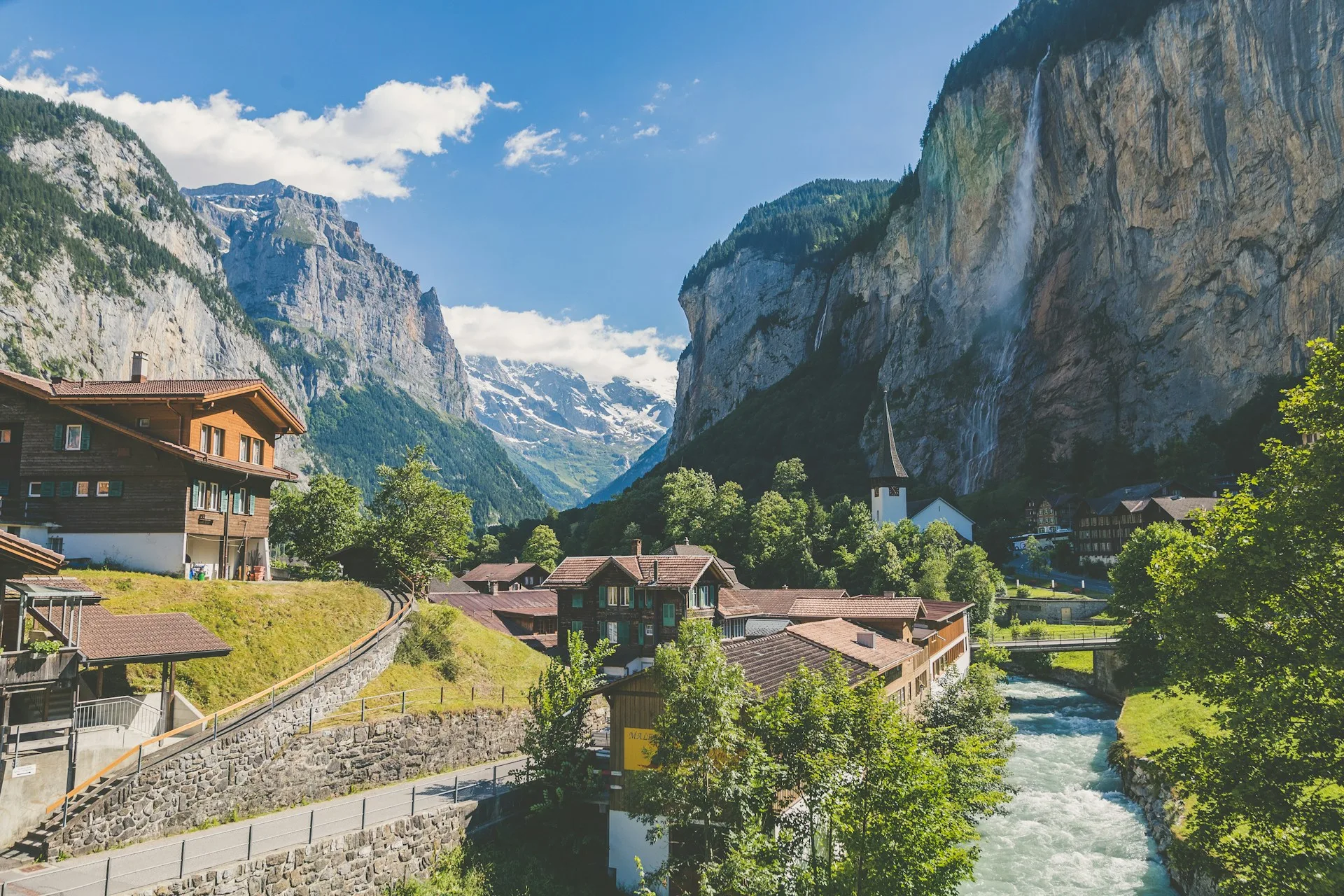
Switzerland offers a quality of life that consistently ranks among the highest in the world — clean cities, spectacular natural beauty, legendary public transport, and a level of safety and order that feels almost surreal. For students, this translates into a comfortable, well-organized, and strikingly beautiful setting for your studies. The trade-off is cost: everything is more expensive here. This guide helps you navigate daily life and make the most of your time in Switzerland.
Student Cities: A Detailed Comparison
Zurich
Best for: Finance, technology, engineering, ETH Zurich, Switzerland's largest city
| Factor | Details |
|---|---|
| Population | 430,000 (city) / 1.4 million (metro) |
| Key universities | ETH Zurich, University of Zurich, ZHAW |
| Monthly living cost | CHF 2,000-2,500 |
| Language | Swiss German (Zuridutsch); standard German in official settings |
| Transport | Trams, buses, S-Bahn; excellent VBZ network |
Zurich is Switzerland's largest city and financial capital. It hosts ETH Zurich (the country's highest-ranked university), Google's largest European engineering office, and the headquarters of UBS, Swiss Re, and Zurich Insurance. The city is expensive but offers the strongest job market and the most international atmosphere in German-speaking Switzerland. Lake Zurich and the nearby Alps provide stunning recreation.
Lausanne
Best for: EPFL, French-speaking environment, lake life, Olympic capital
| Factor | Details |
|---|---|
| Population | 140,000 (city) / 420,000 (metro) |
| Key universities | EPFL, University of Lausanne (UNIL), EHL |
| Monthly living cost | CHF 1,900-2,400 |
| Language | French |
| Transport | Metro (m1, m2), buses, CFF trains |
Lausanne is a dynamic, hilly city on the shores of Lake Geneva with a distinctly younger feel than Zurich. EPFL and UNIL create a combined campus of 30,000+ students, making the western part of the city a genuine student hub. The city is the Olympic capital (home of the International Olympic Committee) and has a vibrant cultural scene.
Geneva
Best for: International relations, UN and international organizations, multilingual environment
| Factor | Details |
|---|---|
| Population | 200,000 (city) / 600,000 (metro) |
| Key universities | University of Geneva, IHEID (Graduate Institute) |
| Monthly living cost | CHF 2,000-2,500 |
| Language | French (but highly multilingual due to international organizations) |
| Transport | Trams, buses; cross-border connections to France |
Geneva is the world capital of international cooperation — home to the UN, WHO, WTO, ICRC, and over 200 international organizations. This creates a uniquely cosmopolitan atmosphere. The city straddles the French border, and many students live in nearby France for lower housing costs. Geneva's international job market is excellent for multilingual graduates.
Bern
Best for: Political science, charming old town, more affordable, federal capital
| Factor | Details |
|---|---|
| Population | 135,000 (city) |
| Key universities | University of Bern, BFH |
| Monthly living cost | CHF 1,800-2,200 |
| Language | Swiss German (Berndutsch); standard German in official settings |
| Transport | Trams, buses, S-Bahn |
Bern is Switzerland's federal capital and a UNESCO World Heritage Site. Its medieval old town, arcaded streets, and bear park give it a unique charm. The University of Bern has strong programs in climate science, space research, and medicine. Bern is more affordable than Zurich or Geneva and has a relaxed, student-friendly atmosphere.
Basel
Best for: Pharmaceuticals, life sciences, art and culture, tri-border location
| Factor | Details |
|---|---|
| Population | 175,000 (city) |
| Key universities | University of Basel, FHNW |
| Monthly living cost | CHF 1,800-2,200 |
| Language | Swiss German (Baseldutsch); standard German officially |
| Transport | Trams, buses; cross-border to Germany and France |
Basel is Switzerland's pharmaceutical capital — Novartis and Roche are headquartered here, along with hundreds of biotech companies. This creates exceptional career opportunities in life sciences. The city has a world-class art scene (Art Basel, Fondation Beyeler) and a unique tri-border location where Switzerland, Germany, and France meet. Many students live across the border in Germany or France for cheaper housing.
St. Gallen
Best for: Business studies, HSG, smaller city experience
| Factor | Details |
|---|---|
| Population | 80,000 (city) |
| Key universities | HSG - University of St. Gallen |
| Monthly living cost | CHF 1,700-2,100 |
| Language | Swiss German; German officially |
| Transport | Buses, trains |
St. Gallen is a smaller city dominated by HSG, one of Europe's best business schools. The student community is tight-knit and international. The city's textile heritage is visible in its architecture. St. Gallen is more affordable than the major cities and offers direct access to the Appenzell countryside and Lake Constance (Bodensee).
City Comparison at a Glance
| Factor | Zurich | Lausanne | Geneva | Bern | Basel | St. Gallen |
|---|---|---|---|---|---|---|
| Rent (shared) | 700-900 | 650-850 | 700-900 | 600-800 | 600-800 | 550-750 |
| Monthly total | 2,000-2,500 | 1,900-2,400 | 2,000-2,500 | 1,800-2,200 | 1,800-2,200 | 1,700-2,100 |
| Language | German | French | French | German | German | German |
| Lake access | Yes | Yes | Yes | River (Aare) | Rhine | Bodensee nearby |
| Job market | Strongest | Good (tech) | Strong (int'l orgs) | Government | Pharma | Finance/consulting |
| Nightlife | Good | Good | Moderate | Moderate | Good | Student-focused |
Housing
Housing is the biggest challenge and expense for students in Switzerland.
University Housing
Most universities operate their own housing or cooperate with student housing foundations:
- WOKO (Zurich) — student housing cooperative with 2,100+ rooms
- FMEL (Lausanne) — manages student housing for EPFL and UNIL
- Cite Universitaire (Geneva) — university housing foundation
- Student housing offices at each university
University housing costs CHF 500-800/month and is significantly cheaper than the open market. Apply immediately upon admission — waitlists can be 3-6 months.
Private Housing (WG/Shared Apartments)
The most common option for students not in university housing:
- wgzimmer.ch — Switzerland's main shared apartment platform
- students.ch — student-specific housing listings
- homegate.ch — general property portal
- flatfox.ch — modern apartment search platform
- Facebook groups — university-specific housing groups
Budget CHF 600-900/month for a room in a shared apartment in most cities.
Transport
Switzerland has arguably the best public transport system in the world.
The Essentials
| Pass | Cost | What it does |
|---|---|---|
| Halbtax (Half-Fare Card) | CHF 185/year | 50% off ALL public transport in Switzerland — trains, trams, buses, boats |
| GA Travelcard | CHF 2,860-3,860/year | Unlimited travel on all public transport (expensive but incredible) |
| Local transport passes | CHF 40-80/month | City-specific monthly pass (Zurich ZVV, Geneva TPG, etc.) |
| SBB Day Pass | CHF 52 (with Halbtax) | Unlimited travel for one day anywhere in Switzerland |
The Halbtax card is the single best purchase a student in Switzerland can make. At CHF 185/year, it pays for itself within the first few weeks.
Between Cities
- SBB trains — punctual, frequent, comfortable; connect all cities
- Supersaver tickets — book 30+ days in advance on sbb.ch for up to 70% off
- Regional trains — connect smaller towns to the network
- PostBus — yellow postal buses serve mountain villages and rural areas
Food and Eating
Eating in Switzerland is expensive, but there are strategies:
| Option | Cost per meal (CHF) | Notes |
|---|---|---|
| University Mensa | 6-9 | Subsidized; best value; available at all universities |
| Cooking at home | 5-10 | Cheapest long-term option |
| Takeaway/fast food | 12-18 | McDonald's, kebabs, Asian food |
| Restaurant (casual) | 20-35 | A simple lunch or dinner |
| Restaurant (nice) | 40-80+ | Swiss dining is excellent but expensive |
Swiss Food Culture
- Mensa culture — university canteens are central to student social life in Switzerland; much more so than in many other countries
- Swiss specialties — fondue, raclette, rosti, Zurcher Geschnetzeltes; try them all
- Grocery shopping — Migros and Coop are the main chains; Denner, Lidl, and Aldi are cheaper
- Cross-border shopping — students near borders often shop in Germany (Konstanz, Lorrach), France (Annemasse, Ferney-Voltaire), or Italy (Como) for significant savings
Culture and Social Life
Student Organizations
Swiss universities have active student life:
- Fachvereine — departmental student associations (organize events, exam prep, social activities)
- ASVZ (Zurich) / UNIL Sport (Lausanne) — university sports with 100+ activities, mostly free
- ESN (Erasmus Student Network) — events, trips, and parties for international students
- Student bars and cafes — most universities have student-run social spaces
- Cultural associations — from chess clubs to hiking groups to theatre companies
The Swiss Social Style
Swiss culture has a reputation for being reserved, which can surprise students from more outgoing cultures:
- Punctuality is sacred — being late is considered disrespectful
- Quiet hours — noise regulations are taken seriously (typically 10pm-7am and all day Sunday)
- Greetings — Swiss people greet neighbours and strangers; a "Gruezi" (Zurich) or "Bonjour" goes a long way
- Personal space — friendships develop slower but are deep and lasting
- Sunday closures — almost everything is closed on Sundays; plan your shopping accordingly
Outdoor Recreation
Switzerland's natural beauty is one of its greatest student perks:
- Hiking — thousands of marked trails accessible from every city; SwitzerlandMobility app for route planning
- Skiing and snowboarding — world-class resorts within 1-2 hours of most cities; student discounts available
- Lake swimming — clean, swimmable lakes in or near every major city (Zurich, Geneva, Lucerne, Lugano)
- Cycling — bike-friendly cities and dedicated cycling routes
- Mountain sports — climbing, paragliding, via ferrata, mountain biking
Healthcare
Health insurance is mandatory for all residents in Switzerland under the KVG/LAMal system.
- Under 25: reduced premiums of approximately CHF 80-120/month
- 25 and over: standard premiums of CHF 200-400/month (varies by canton)
- Deductible: choose between CHF 300-2,500/year (higher = lower monthly premium)
- Coverage: doctor visits, hospital stays, prescriptions, mental health, maternity
University health services are available at all Swiss universities, offering free or reduced-cost medical consultations, mental health support, and preventive care.
Compare student health insurance options for Switzerland →
Safety
Switzerland is one of the safest countries in the world:
- Violent crime is extremely rare
- Petty crime is low even by European standards
- Women's safety — Swiss cities are safe for women at all hours
- LGBTQ+ safety — Switzerland legalized same-sex marriage in 2022 and is generally very accepting
- Emergency number — 112 (European emergency); 117 (police); 144 (ambulance); 118 (fire)
Practical Daily Life
SIM Cards and Phone Plans
| Provider | Cost (monthly) | Notes |
|---|---|---|
| Swisscom | CHF 30-50 | Best coverage; most expensive |
| Sunrise | CHF 25-45 | Good coverage; competitive plans |
| Salt | CHF 20-40 | Budget-friendly; good data plans |
| Wingo | CHF 25 | Swisscom network; best budget option |
| Yallo | CHF 15-30 | Low-cost provider |
Useful Apps
- SBB Mobile — essential for train schedules and tickets
- SwissID — digital identity for government services
- wgzimmer.ch — apartment search
- Alertswiss — emergency alerts and safety information
- MeteoSwiss — weather forecasts
- PubliBike / Lime — bike and scooter sharing
- Too Good To Go — discounted surplus food from restaurants and shops
Next Steps
- Review costs and funding — build a detailed budget for your city
- Check visa requirements — residence permit and registration process
- Explore work options — part-time jobs, internships, and post-graduation careers
- Why study in Switzerland — revisit the full picture of what Switzerland offers
Frequently Asked Questions
What is the best city to study in Switzerland?
How do I find student housing in Switzerland?
Is Switzerland safe for international students?
How does healthcare work for students in Switzerland?
What is the cost of living for students in Switzerland?
Can I get around Switzerland without a car?
What is Swiss German and will I understand it?
How do I make friends in Switzerland?
Related Guides
Why Study in Switzerland
Switzerland offers world top-20 universities, a multilingual environment, and unmatched innovation — here's why it's one of the smartest study destinations in Europe.
🗺️Plan Your Studies in Switzerland
A complete planning guide covering the Swiss academic calendar, credential recognition, language requirements by region, and how to choose your canton and university.
🎓Programs & Universities in Switzerland
A comprehensive guide to Swiss higher education institutions — ETH Zurich, EPFL, cantonal universities, HSG St. Gallen, Fachhochschulen, and English-taught programs.
📝Admissions & Application to Swiss Universities
Navigate the Swiss admissions process — direct applications, swissuniversities information, ECUS reduced admission exams, document requirements, and timelines for international students.
💰Costs & Funding for Studying in Switzerland
A realistic breakdown of tuition fees, living costs by city, scholarships, and budgeting tips for international students in Switzerland — affordable tuition, high living costs.
🛂Visa & Arrival in Switzerland
Complete guide to Swiss student visas, residence permits, and your first-week checklist — from application to settling into your new Swiss city.
💼Work & Career in Switzerland
A complete guide to working as a student in Switzerland, finding internships, and building your career — including post-study permits and Switzerland's world-leading job market.
Latest News
Australia Introduces New Measures for International Students – Study Abroad
Australia Introduces New Measures for International Students – Study Abroad
What to Expect when Studying Abroad in Fall 2020 – Study Abroad
What to Expect when Studying Abroad in Fall 2020 – Study Abroad
Aurora University Network, Among Others, Selected by European Commission to Officially Join European University Networks – Study Abroad
Aurora University Network, Among Others, Selected by European Commission to Officially Join European University Networks – Study Abroad
Latest Articles
10 Proven Tips for Learning German Before You Arrive
Master the basics of German with these practical tips and resources. From apps to language partners, discover the best ways to prepare for your studies in Germany.
Complete Student Budget Guide for Germany 2026
Realistic breakdown of monthly expenses, money-saving tips, and budget planning for international students in Germany. Learn how to live comfortably on a student budget.
How to Apply to German Universities: Complete Step-by-Step Guide
A comprehensive guide walking you through every step of the application process for German universities, from document preparation to receiving your admission letter.