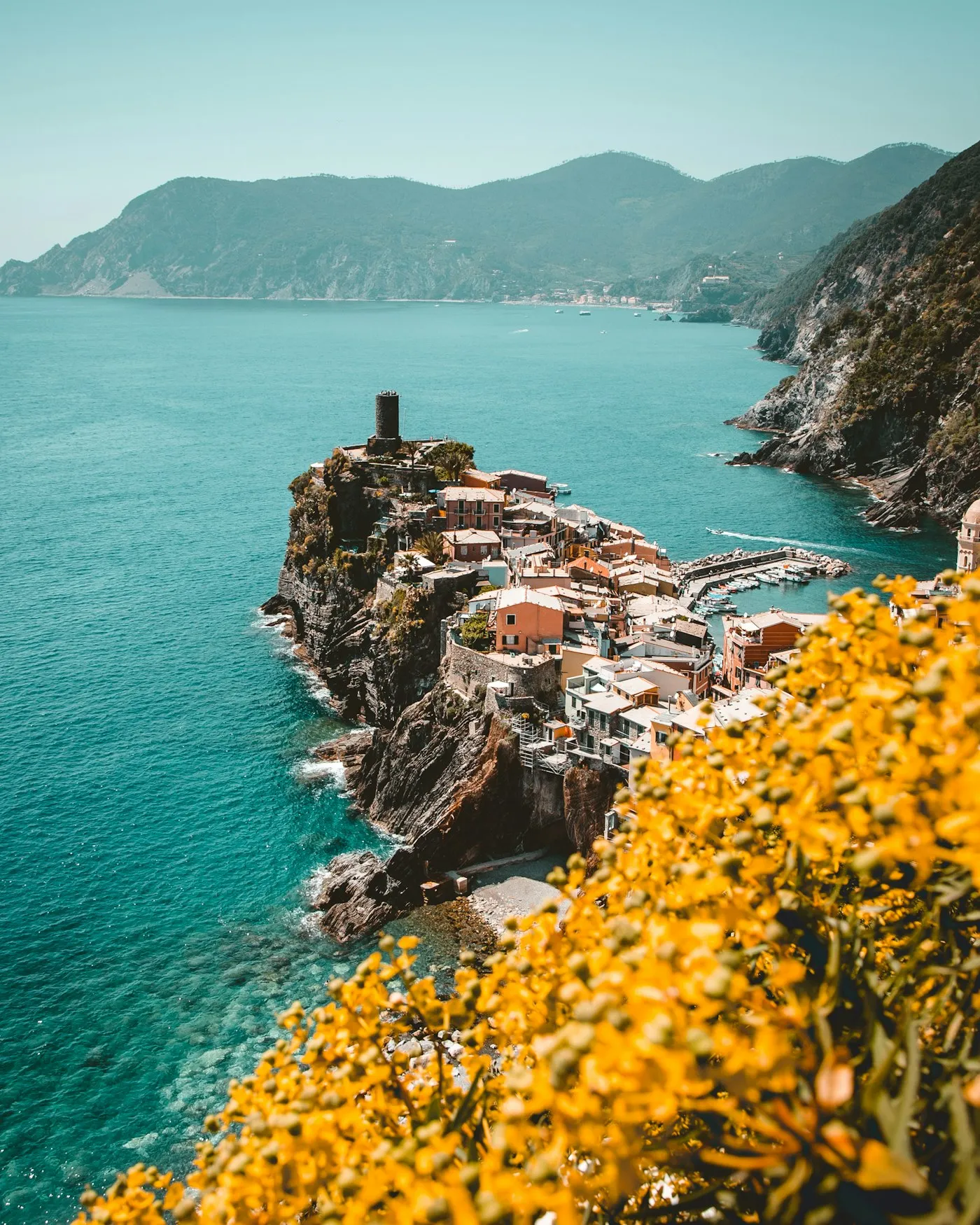
Working While Studying in Italy 2026
International students in Italy can work 20 hrs/week. Get your Codice Fiscale, earn €7-9/hr in hospitality or tutoring, and pay no tax on first €8,500 earned.
On this page
- Work Permit Rules for International Students
- The Codice Fiscale: Your First Step
- How Much Will You Earn?
- Best Student Jobs in Italy
- Where to Find Student Jobs
- Taxes and Social Contributions
- Working During Holidays and Summer
- Opening an Italian Bank Account
- Working Rights by City: Where Students Find the Most Jobs
- Employment Contracts You Should Know
- Digital Work and Remote Opportunities
- Balancing Work and Studies
- Practical Tips for Finding Work
- Health Insurance and Working
- Seasonal and Summer Work Opportunities
- Frequently Asked Questions
International students in Italy can work up to 20 hours per week during term time, with a yearly cap of 1,040 hours. Before you start any paid work, you need a Codice Fiscale — Italy's tax identification number. Italy has no national minimum wage. Instead, wages follow sector-specific collective agreements (CCNL) that set pay at roughly €7–9 per hour for typical student jobs. Your first €8,500 per year is tax-free. This guide covers everything about working legally as a student in Italy.
Work Permit Rules for International Students
Your permesso di soggiorno per studio (student residence permit) allows part-time work. The rules are clear:
| Rule | Details |
|---|---|
| Weekly hours | Maximum 20 hours per week |
| Annual hours | Maximum 1,040 hours per year |
| EU students | Same rights as Italian workers — no work hour limits |
| Non-EU students | Must have valid permesso di soggiorno. No separate work permit needed for part-time work. |
| Self-employment | Not allowed on a student permit. Freelancing requires a different visa. |
EU/EEA students face no restrictions. They can work full-time or part-time, just like Italian citizens. Non-EU students must stay within the 20-hour weekly limit. Employers check your permesso before hiring you.
The Codice Fiscale: Your First Step
The Codice Fiscale is a 16-character alphanumeric code. You need it for everything in Italy: opening a bank account, signing a rental contract, getting a phone plan, and starting any job. Think of it as Italy's equivalent of a Social Security number.
Get your Codice Fiscale from the Agenzia delle Entrate (Italian Revenue Agency). Visit any local office with your passport and a copy of your permesso di soggiorno. The process takes 15 minutes and is free. Some Italian consulates abroad issue it before you arrive — ask when you apply for your visa.
A student in Rome would walk into the Agenzia delle Entrate office on Via Cristoforo Colombo, take a number, and receive a printed Codice Fiscale card the same day. No appointment needed at most offices.
How Much Will You Earn?
Italy has no national minimum wage law. Pay rates come from CCNL (Contratti Collettivi Nazionali di Lavoro) — sector-specific collective bargaining agreements between unions and employer associations. Each industry sets its own minimums.
| Job Type | Typical Hourly Rate | CCNL Sector |
|---|---|---|
| Restaurant/bar service | €7–9/hr | Turismo e Pubblici Esercizi |
| Retail assistant | €7–8/hr | Commercio |
| Hotel work | €7.50–9/hr | Turismo |
| English tutoring (private) | €15–25/hr | Informal / self-arranged |
| Au pair | €250–300/month + room & board | N/A (separate regulation) |
| Campus assistant | €8–10/hr | University contract (collaborazione 150 ore) |
| Call centre / customer service | €8–10/hr | Telecomunicazioni |
Private English tutoring pays the best. Demand is high across Italy. In Milan, a native English speaker charges €20–30 per hour for private lessons. In smaller cities like Perugia or Siena, rates drop to €12–18. You find students through university notice boards, Facebook groups, or platforms like Superprof and Preply.
Best Student Jobs in Italy
Hospitality and Tourism
Italy's tourism sector is massive. Hotels, restaurants, bars, and tour operators hire students year-round, with peak demand from April to October. Cities like Rome, Florence, Venice, and the Amalfi Coast need workers who speak English and other languages. A bilingual student in Florence easily finds bar or restaurant work at €7–9 per hour plus tips.
Seasonal contracts (contratti stagionali) allow longer hours during summer. Beach resorts in Sardinia and Sicily hire for the June–September season. These jobs offer intensive work periods that fit around exam schedules.
English Teaching
English language skills are in demand across Italy. Private tutoring, language schools, and after-school programmes all hire English speakers. Private tutoring is the most flexible — you set your own hours and rates. Language schools like British Council, Wall Street English, and International House hire part-time teachers. Most require a TEFL/TESOL certificate.
University Work (Collaborazione 150 Ore)
Italian universities offer paid positions called collaborazione 150 ore (150-hour contracts). Students work in libraries, labs, administrative offices, or as tutors for 150 hours per academic year. Pay is typically €8–10 per hour. These positions are reserved for students with good academic standing and financial need. Apply through your university's student services office.
At the University of Bologna, around 800 students receive 150-ore contracts each year. Competition is moderate. Students with lower family income (ISEE) get priority.
Au Pair Work
Au pairs live with an Italian family, help with childcare and light housework, and receive a monthly allowance of €250–300 plus free accommodation and meals. Working hours are typically 25–30 per week. This option works well for students who want to improve their Italian through daily immersion. Agencies like AuPairWorld and Cultural Care connect students with families.
Internships (Tirocinio)
Italian internships fall into two categories:
- Tirocinio curriculare — part of your degree programme. Unpaid or symbolically compensated. Arranged through your university. Counts toward your academic credits.
- Tirocinio extracurriculare — voluntary internship outside your study programme. Must be compensated: the minimum varies by region but ranges from €300 to €800 per month. Lombardy mandates €500/month. Lazio requires €800/month.
Extracurricular internships are a good way to build Italian work experience and professional contacts. They last 3 to 12 months. Many companies in Milan's fashion and design sectors offer internships to international students.
Where to Find Student Jobs
The best channels for finding work in Italy:
- University job boards — most universities run placement offices (Servizio Stage e Placement). The University of Milan's job board lists 200+ part-time positions each semester.
- Indeed.it and LinkedIn — search for "part-time" plus your city.
- Subito.it — Italy's largest classified ad site. Popular for informal job listings.
- Facebook groups — "Expats in Milan", "Jobs in Rome for English Speakers", city-specific student groups.
- Word of mouth — networking matters in Italy. Tell classmates, professors, and landlords you are looking. Many jobs are never advertised.
In Milan, a student looking for bar work would check the Navigli and Brera neighbourhoods, where dozens of bars and restaurants hire multilingual staff. Walking in with a CV during quiet afternoon hours works better than online applications for hospitality.
Taxes and Social Contributions
Income Tax (IRPEF)
Italy uses a progressive income tax system called IRPEF. The good news: your first €8,500 per year is effectively tax-free thanks to the no-tax area deduction for employees. Most students earning part-time wages stay under this threshold.
| Annual Income | IRPEF Rate |
|---|---|
| Up to €28,000 | 23% |
| €28,001–€50,000 | 35% |
| Over €50,000 | 43% |
If you work 20 hours per week at €8/hour for 10 months, you earn about €6,400 per year — well under the tax-free threshold. Your employer withholds taxes from each paycheck anyway, but you get a refund when you file your annual tax return (dichiarazione dei redditi).
Social Contributions
Your employer deducts social security contributions (contributi INPS) from your gross pay. The employee share is roughly 9–10%. These contributions fund your Italian pension, unemployment insurance, and health coverage. As a student, you probably will not benefit from the pension contributions unless you stay in Italy long-term, but they are mandatory.
Working During Holidays and Summer
During semester breaks, the 20-hour weekly limit still applies to non-EU students. The annual cap is 1,040 hours, so plan your schedule accordingly. If you work 20 hours per week for 52 weeks, you hit exactly 1,040 hours.
Summer is the best time for intensive work. Tourist areas hire aggressively from June to September. A student working 20 hours per week at a beach resort in Rimini earns about €640–720 per month. Combined with tips, summer hospitality work covers 2–3 months of living expenses.
Opening an Italian Bank Account
You need an Italian bank account to receive a salary. Most employers pay by bank transfer (bonifico). Cash payments exist in informal work, but formal employment requires a conto corrente (current account).
Opening an account requires your Codice Fiscale, passport, permesso di soggiorno (or residence certificate for EU students), and proof of address (a utility bill or rental contract). Student-friendly banks:
| Bank | Monthly Fee | Student Account Features |
|---|---|---|
| UniCredit | Free (under 30) | Free debit card, mobile banking, no minimum balance |
| Intesa Sanpaolo (XME Conto) | Free (under 35) | Free debit card, Apple/Google Pay, fee-free ATM withdrawals |
| N26 | Free (Standard) | Digital-only, no branch visit needed, IBAN issued online. Accepted by most employers. |
| Hype | Free (Base) | Italian digital bank, easy signup, Mastercard debit |
A student in Milan walks into a UniCredit branch near the university with their Codice Fiscale, passport, and permesso. The account is active within 3–5 working days. Digital banks like N26 activate faster — often within 24 hours — but some landlords and employers prefer a traditional Italian IBAN.
Working Rights by City: Where Students Find the Most Jobs
Job availability varies dramatically by city. The size of the tourism sector, the concentration of multinational companies, and the student population all affect your options.
| City | Best Sectors for Students | Typical Monthly Earnings (20 hrs/week) | Competition Level |
|---|---|---|---|
| Milan | Fashion retail, hospitality, tech, tutoring, call centres | €600–800 | Moderate — high demand, many applicants |
| Rome | Tourism, hospitality, English teaching, cultural events | €550–700 | High — many students compete for tourist-sector jobs |
| Florence | Tourism, wine industry, art restoration, tutoring | €500–650 | Moderate — smaller market, but strong tourism demand |
| Bologna | University jobs, food industry, tutoring, hospitality | €550–700 | Low-moderate — large student city, steady demand |
| Turin | Automotive industry, call centres, hospitality, startups | €550–700 | Low — fewer international students, less competition |
| Padua | University jobs, tutoring, retail, small manufacturing | €500–600 | Low — manageable job market, friendly for students |
In Florence, a bilingual student working at a wine bar near Ponte Vecchio earns €8/hr plus tips. During peak season (April–October), tips alone can add €50–100 per week. In Turin, the same student might work at a Stellantis-affiliated call centre handling English-language customer queries at €9.50/hr.
Employment Contracts You Should Know
Italian employment contracts that students commonly encounter:
- Contratto a tempo determinato — fixed-term contract. Most common for student jobs. Lasts 3–12 months. Renewable up to 24 months total.
- Contratto a chiamata (lavoro intermittente) — on-call contract. You work only when the employer calls you. Popular in hospitality. You are under 25 to qualify for this contract type.
- Contratto di somministrazione — temp agency contract. Agencies like Adecco, Randstad, and Manpower place students in short-term roles.
- Prestazione occasionale — occasional work. For short gigs under €5,000 per year. The employer registers you through the INPS voucher system.
Always sign a written contract. Italian law protects workers with contracts. Without one, you have no legal recourse for unpaid wages or workplace issues.
Digital Work and Remote Opportunities
The digital economy has opened new earning paths for students that do not require physical presence at a workplace. These options combine flexibility with higher-than-average pay.
Online Freelancing
Non-EU students on a student permit cannot freelance with a Partita IVA (freelance tax number). But EU students can. Options for EU students include translation work, graphic design, web development, and content writing on platforms like Fiverr, Upwork, and Translated.net.
Non-EU students can earn through platforms that classify them as employees, not freelancers. Deliveroo, Glovo, and Just Eat hire delivery riders through employment contracts in Italy (following a 2021 court ruling that reclassified riders as employees). Pay averages €8–12/hr including delivery bonuses.
Content Creation and Social Media
Students with photography, video, or writing skills find work managing social media accounts for local businesses. Italian restaurants, boutique hotels, and small retailers increasingly need English-language social media content. A student in Milan managing Instagram for 2–3 small businesses earns €300–500/month for a few hours of work per week.
Remote Tutoring
Online platforms let you teach without commuting. Preply and italki connect language tutors with students globally. Set your rate (€15–30/hr for English), your hours, and work from home. Superprof connects you with local students in your city for in-person or online lessons across any subject — not just languages.
Balancing Work and Studies
Working 20 hours per week alongside a full-time degree is manageable but requires planning.
Time Management
Italian universities have flexible exam schedules. Most courses have 3 exam sessions (appelli) per year — January/February, June/July, and September. You choose when to take each exam. This flexibility lets you concentrate work during lighter academic periods and reduce hours during exam preparation.
A practical schedule: work 15 hours/week during the teaching period (October–December, March–May). Increase to 20 hours during January, June, and September when you have fewer or no classes. Take exam weeks completely off work.
Impact on Academic Performance
Italian universities measure performance by exam grades (18–30, with 30 e lode as the highest). Working more than 15 hours per week correlates with lower grades at most universities. The financial benefits of working must balance against academic goals — especially if you plan to apply for master's programmes that require a high grade point average (media).
Employer Understanding
Most Italian employers who hire students understand academic commitments. The 150-ore university contracts are designed around the academic calendar. Hospitality employers in tourist areas expect seasonal fluctuation. Be upfront about your exam schedule when you start a job. Italian workplace culture generally accommodates student schedules if you communicate clearly.
Practical Tips for Finding Work
Learn basic Italian. Even for English-speaking roles, employers prefer candidates who speak some Italian. B1 level opens many more doors than English alone. Read our guide on learning Italian as a student.
Get your documents ready early. You need the Codice Fiscale, a valid permesso di soggiorno, and an Italian bank account (conto corrente) before most employers will hire you. Open your bank account in the first week after arriving.
Start with your university. The 150-ore programme, campus cafeterias, and research assistant positions are the easiest first jobs. They understand student schedules and hire regardless of Italian language ability.
Consider your city. Milan offers the most jobs but has the highest cost of living. Bologna and Turin have strong job markets with lower rents. Smaller university cities like Padua and Pisa have fewer opportunities but also less competition. Read more in our living in Italy guide.
Health Insurance and Working
When you work in Italy, your employer pays social contributions that include health coverage through the Servizio Sanitario Nazionale (SSN) — Italy's public healthcare system. This means you get access to a GP (medico di base), hospital care, and prescriptions at subsidized rates.
If you work fewer than 20 hours per week, check whether your employer's contributions fully cover SSN registration. In some cases, students on limited contracts need to maintain separate health coverage. EU students with a European Health Insurance Card (EHIC/TEAM) have emergency coverage but should still register with the SSN for comprehensive access.
Non-EU students who enrolled in the SSN through their university (paying the €149.77/year SSN fee) maintain that coverage alongside their employment. The two are not mutually exclusive. Your student SSN registration covers everything your employer's contributions do not.
Seasonal and Summer Work Opportunities
Italy's summer tourist season creates thousands of temporary jobs between June and September. Strategic students use this period to earn a significant portion of their annual living costs.
Beach Resort Work
The Adriatic coast (Rimini, Riccione, Pesaro), Sardinia (Costa Smeralda), and Sicily (Taormina, Cefalù) hire hundreds of seasonal workers each summer. Jobs include beach attendants (bagnini), hotel reception, restaurant service, and entertainment staff. A student working 20 hours per week at an Adriatic resort earns €640–800/month. Staff housing is sometimes included, especially in remote resort locations.
Agricultural Work (Vendemmia)
The grape harvest (vendemmia) runs from mid-August to October across Italy's wine regions. Tuscany, Piedmont, and Veneto vineyards hire temporary workers for picking, sorting, and processing. Pay ranges from €7–10/hr for manual labour. Working outdoors among vines is physically demanding but culturally immersive. The olive harvest (raccolta delle olive) follows in October–November, mainly in Puglia, Calabria, and Sicily.
Trade Fair and Event Work
Milan hosts major international trade fairs year-round at Fiera Milano. Events like Salone del Mobile (furniture), Milano Fashion Week, and EICMA (motorcycles) hire temporary staff for registration, hospitality, and translation work. Multilingual students earn €80–120 per day for short assignments lasting 3–7 days. Register with agencies like Hostess & Promoter or PromoAdv to access these opportunities.
Frequently Asked Questions
How many hours can international students work in Italy?
Non-EU students can work 20 hours per week with a yearly cap of 1,040 hours. EU/EEA students have no hour restrictions. The limit applies to all paid employment — if you have two part-time jobs, the combined hours must stay within the cap. Violating this limit can jeopardize your residence permit.
What is a Codice Fiscale and how do I get one?
The Codice Fiscale is Italy's tax identification number. You get it free from any Agenzia delle Entrate office. Bring your passport and a copy of your permesso di soggiorno. The card is issued in 15 minutes. Some Italian consulates issue it before departure — ask when applying for your student visa.
Is there a minimum wage in Italy?
Italy has no national minimum wage law. Pay rates are set by CCNL sector agreements — collective contracts negotiated between unions and employers for each industry. Hospitality and retail sectors pay around €7–9 per hour. Private tutoring and language teaching pay more. Always check that your contract specifies the CCNL rate for your sector.
Do I pay taxes on student earnings in Italy?
Italy's IRPEF tax has a no-tax area that makes the first €8,500 of employment income effectively tax-free. Most part-time students earn less than this. Your employer withholds tax from each paycheck anyway, but you claim the excess back when filing your annual tax return. Social contributions (about 9–10%) are separate and not refundable.
Can I do an internship on a student visa?
Yes. Both curricular internships (tirocinio curriculare, arranged through your university) and extracurricular internships (tirocinio extracurriculare) are allowed on a student permit. Extracurricular internships must pay a minimum set by each region — €300–800/month depending on where you work. They last up to 12 months.
What are the best student jobs in Italy?
Private English tutoring pays €15–25/hr and offers flexible hours. University 150-ore contracts pay €8–10/hr with guaranteed schedules. Hospitality work (bars, restaurants) pays €7–9/hr plus tips and is widely available in tourist areas. Call centre jobs at multinational companies pay €8–10/hr and often seek multilingual speakers.
Can I work full-time during summer break?
Non-EU students are still limited to 20 hours per week even during breaks. The annual cap of 1,040 hours provides some flexibility, but the weekly limit stays in place. EU students can work full-time year-round. Seasonal contracts in tourism offer intensive work within the 20-hour limit if you concentrate your hours over fewer days.
Do I need to speak Italian to find work?
Basic Italian (A2–B1) significantly expands your job options. English-only jobs exist in tourism, multinational call centres, and language teaching. But most hospitality employers expect at least conversational Italian. University campus jobs are the most accessible for students who speak only English. Invest in an Italian language course during your first semester.
Related Articles

Student Accommodation in Australia 2026: Complete Guide
Australia student housing 2026: on-campus from $200/week, PBSA, shared houses, rent by city, bond rules, lease tips and best booking platforms.

Cultural Adjustment in Australia: What International Students Need to Know (2026)
Navigate Australian culture as an international student — from laid-back attitudes and Aussie slang to multiculturalism, safety, sports, and making friends.
Student Health Insurance in Australia: The Complete OSHC Guide (2026)
Everything international students need to know about OSHC in Australia — providers, costs (AUD$500-700/year), coverage, and how to choose the right plan.