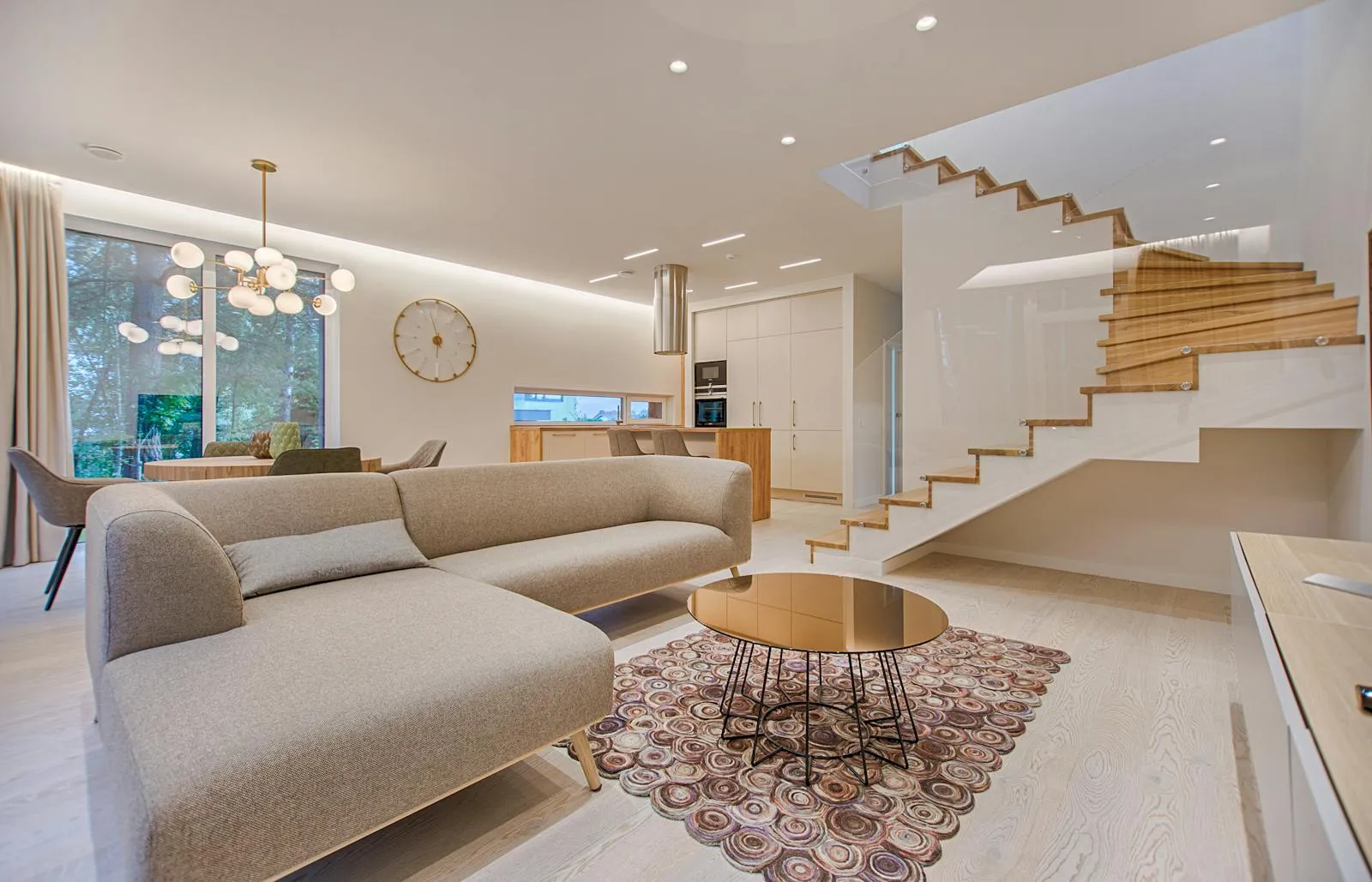
Finding Student Accommodation in Germany: Complete Guide
Find student housing in Germany 2026: dorms (€200-400), WG rooms (€350-600), private apartments (€500-900+). Platforms, scam alerts, and application tips.
On this page
- Types of Student Housing in Germany
- How to Find a Studentenwohnheim
- How to Find a WG Room
- Other Housing Platforms and Resources
- How to Spot and Avoid Scams
- Understanding German Rental Terms
- Application Tips: Documents You Need
- City-by-City Housing Market Overview
- Frequently Asked Questions
- Related Articles
Finding student accommodation in Germany is the single most stressful part of moving to the country, and it trips up more international students than visa paperwork, university enrollment, and language barriers combined. The core problem is simple: Germany's most popular student cities have far more people looking for housing than there are available rooms. In Munich, a single WG room can attract 200 inquiries within 48 hours. In Berlin, students routinely spend six to eight weeks searching before signing a lease. Even in mid-sized cities like Freiburg or Bonn, the market tightens sharply every October and April when new semesters begin.
But the situation is far from hopeless. Students who understand the German housing system, know which platforms to use, prepare their documents in advance, and start early almost always find something suitable within their budget. This guide covers every housing type available to students in Germany in 2026, with verified cost ranges, step-by-step platform walkthroughs, scam prevention advice, an explanation of every German rental term you will encounter, and city-by-city market conditions. Whether you are six months away from arrival or already sleeping in a hostel while searching on the ground, this guide will help you find a room.
We have published companion guides on living in Germany as a student, managing your monthly budget, and choosing the right student city. This article focuses exclusively on the housing search itself—from first inquiry to signed contract.
Types of Student Housing in Germany
Germany offers four main housing options for students, each with distinct cost profiles, application processes, and trade-offs. The table below summarizes what you can expect in 2026, followed by a detailed breakdown of each type.
| Housing Type | Monthly Cost (2026) | Bills Included? | Typical Wait Time | Best For |
|---|---|---|---|---|
| Studentenwohnheim (dorm) | €200–€400 | Usually yes (Warmmiete) | 1–4 semesters | Budget-conscious students, first-years |
| WG room (shared flat) | €350–€600 | Usually yes (Warmmiete) | 2–8 weeks active search | Social students, German-language practice |
| Private apartment | €500–€900+ | Usually Kaltmiete + Nebenkosten | 2–12 weeks active search | Couples, students wanting privacy |
| Temporary housing | €600–€1,200 | Yes (all-inclusive) | Immediate availability | First 2–6 weeks while searching on-site |
Studentenwohnheim (Student Dormitory)
Student dormitories run by the local Studierendenwerk (student services organization) are by far the cheapest housing option in Germany. A single room in a Studentenwohnheim typically costs between €200 and €400 per month, with utilities, internet, and sometimes a basic furniture package included. In eastern German cities like Leipzig, Dresden, or Chemnitz, you can find dorm rooms for as little as €180 per month. In Munich or Stuttgart, the upper end of the range is closer to €400.
Dorm rooms come in several configurations. The most common is a single room within a shared apartment (Einzelzimmer in einer Wohngruppe), where you have your own room but share a kitchen and bathroom with three to six other students. Some dorms offer fully self-contained studio apartments (Einzelapartments) with a private kitchenette and bathroom, though these cost more and have longer waiting lists. A smaller number of dorms still have double rooms (Doppelzimmer), which are the cheapest option but offer the least privacy. Most dorms are furnished with a bed, desk, chair, wardrobe, and shelf, so you do not need to buy furniture.
The major downside of Studentenwohnheime is availability. Germany has roughly 3.1 million students and only about 245,000 publicly funded dorm places, which means fewer than 8% of students can be accommodated. Waiting lists vary dramatically by city: in Munich, the average wait is two to four semesters; in smaller cities like Greifswald or Cottbus, you can get a room within a few weeks of applying. Dorm contracts are usually limited to the standard period of study (Regelstudienzeit), and you may be asked to leave once that period expires.
WG (Wohngemeinschaft — Shared Flat)
The WG is the quintessential German student living arrangement, and it is how the majority of students in Germany live. A Wohngemeinschaft is simply a shared apartment where each tenant has their own room and shares the kitchen, bathroom, and common areas. WG rooms in Germany typically cost between €350 and €600 per month including utilities, though prices in Munich or central Frankfurt can push above €700. To illustrate the range: a WG room in Berlin-Neukölln averages €550 warm, a comparable room in Leipzig costs €320, and in Munich you pay €700 or more for the same square meters.
WGs vary enormously in character. A Zweck-WG (purpose WG) is a purely functional arrangement where housemates share costs but live largely separate lives. A WG mit Gemeinschaft (community WG) is more social, with shared meals, group activities, and a genuine communal atmosphere. Some WGs are explicitly international; others insist on German as the house language. Student WGs (Studenten-WG) are the most affordable, while professional WGs (Berufstätigen-WG) typically charge more and expect quieter routines. When you search for a WG, the listing will describe the household's character, so read carefully and apply selectively.
Living in a WG is one of the fastest ways to improve your German, build a social network, and learn the practical rhythms of daily life in Germany. The downside is the application process, which can feel more like a job interview than a housing search. More on that below.
Private Apartment
Renting your own apartment (eigene Wohnung) gives you full privacy and autonomy, but it is the most expensive and most difficult option for students. A studio apartment (1-Zimmer-Wohnung) in a mid-sized German city typically costs €500 to €700 in Kaltmiete (base rent), with Nebenkosten (utilities) adding another €100 to €200 per month. In Munich, expect €800 to €1,200 for a small studio; in Leipzig, €350 to €500 is realistic.
Landlords renting private apartments expect a complete application package (more on this in the Application Tips section), and international students without a German income history or Schufa credit record are at a disadvantage. Many landlords will ask for a guarantor (Bürge) or require proof of a blocked account (Sperrkonto). If you are an international student on a tight budget, a private apartment is not the most practical first choice—but it can work well for couples sharing costs or for students in their later semesters who have established an income and credit history in Germany.
Temporary Housing
Many experienced students and university housing advisors recommend the same strategy: book temporary housing for your first two to six weeks in Germany, then search for a permanent room once you are on the ground. In-person searchers have a significantly higher success rate than remote applicants, because landlords and WG residents prefer meeting candidates face to face.
Temporary options include youth hostels (€25–€45 per night), student hotels like THE FIZZ or Staytoo (€500–€900 per month), furnished sublets on platforms like HousingAnywhere or Wunderflats (€600–€1,200 per month), and short-term Airbnb rentals. Some universities also offer temporary accommodation through their international offices during orientation weeks. If you choose this route, budget for at least four weeks of temporary housing costs on top of your eventual deposit and first month's rent.
How to Find a Studentenwohnheim
Every German university city has a Studierendenwerk (student services organization) that manages publicly funded dormitories. There are 57 Studierendenwerke across Germany, and each operates independently with its own application portal, waiting list system, and allocation criteria.
Step-by-Step Application
- Identify your Studierendenwerk. Go to studentenwerke.de and find the organization responsible for your university city. In large cities with multiple universities, a single Studierendenwerk typically serves all institutions—for example, the Studierendenwerk München serves all Munich universities.
- Create an account on their portal. Most Studierendenwerke use an online application system. You will need your university admission letter or application confirmation, your passport details, and a photo.
- Select your preferred dorms. You can usually rank several dormitories by preference. Research locations in advance: a dorm close to your campus saves commuting time and money, but a dorm in a less popular area may have a shorter waiting list.
- Submit early. Apply as soon as you receive your university admission, or even before if the Studierendenwerk allows it. Some accept applications up to six months before the semester starts. The earlier you apply, the higher you rank on the waiting list.
- Confirm your interest. Many Studierendenwerke periodically ask applicants to confirm that they still want a room. If you miss this email, you may be removed from the list. Check your inbox (including spam) regularly.
What to Expect
If you receive an offer, you will typically have 48 to 72 hours to accept or decline. Dorm contracts are usually for one year and may be renewable. You will pay a deposit (Kaution) of one to two months' rent, and the first month's rent is due upon move-in. Most dorms require you to register your address (Anmeldung) at the local citizens' office (Bürgeramt) within two weeks of moving in, and the dorm administration will provide a landlord confirmation (Wohnungsgeberbestätigung) for this purpose.
Do not rely solely on getting a dorm room. Because waiting lists can be long, you should always pursue other housing options in parallel. Treat the Studentenwohnheim application as one channel in a multi-channel search strategy.
How to Find a WG Room
WG-Gesucht.de is the dominant platform for shared housing in Germany, and it is where the vast majority of WG rooms are listed. If you are only going to use one platform, make it WG-Gesucht. Here is how the process works from start to finish.
Setting Up Your Profile
Before you send a single message, invest time in your WG-Gesucht profile. Upload a friendly, clear photo of yourself (not a passport photo—something natural where you look approachable). Write a description of yourself that covers who you are, what you study, what your daily life looks like, and what you are looking for in a WG. If you speak German, write it in German—even imperfect German signals effort and respect. If you do not speak German yet, write in English and mention that you are eager to learn. A complete profile dramatically increases your response rate.
Writing Inquiry Messages
This is where most international students fail. The typical mistake is sending a generic copy-paste message to dozens of listings. German WG residents can spot a mass message instantly, and most will ignore it. Instead, read each listing carefully and write a personalized message that references specific details from the ad. If the listing mentions a cat, mention that you like cats. If it describes a cooking-together tradition, say that you enjoy cooking. If it emphasizes quiet evenings, do not talk about your love of parties.
A good inquiry message is three to five sentences long, addresses the advertiser by name (if given), briefly introduces you (name, age, what you study, when you need the room), explains why this specific WG appeals to you, and ends with an open question or a suggestion for a meeting time. Send messages promptly—listings on WG-Gesucht fill fast, and responses sent within the first hour get significantly more attention than those sent the next day.
The WG-Casting
If your message gets a positive response, you will be invited to a WG-Casting—essentially a mutual interview where you visit the apartment, meet the current residents, and see if the fit is right. WG-Castings usually last 20 to 45 minutes and often involve sitting together over tea or coffee. The residents want to know whether you will be a pleasant person to live with: Are you tidy? Are you social or do you prefer quiet? Do you have compatible schedules?
Be yourself, but also be prepared. Ask questions about house rules, cleaning schedules, shared expenses, noise expectations, and guest policies. Show genuine interest in the people, not just the room. After the casting, the WG members typically discuss all candidates and make a decision within a few days. You will usually receive a message either way—a short "we decided on someone else" is normal and not personal.
Tips for Success
- Apply within the first hour of a listing going live. Set up email alerts on WG-Gesucht so you know immediately when new rooms are posted in your target area and price range.
- Be flexible on location. Expanding your search radius by even two or three kilometers can double the number of listings you see.
- Offer a video call if you are still abroad. Many WGs will consider remote candidates if you make the effort to do a live video casting rather than just exchanging messages.
- Mention your move-in date clearly. WGs usually need someone who can move in on a specific date, and ambiguity about your timeline will count against you.
- Follow up politely if you do not hear back within three to four days.
Other Housing Platforms and Resources
While WG-Gesucht dominates the shared housing market, Germany has several other platforms worth using, especially if you are looking for a private apartment or want to cast a wider net.
Immobilienscout24
Immobilienscout24.de (often called "ImmoScout") is Germany's largest general real estate platform. It lists private apartments, studios, and sometimes WG rooms. The interface is polished and supports English, making it accessible for international students. ImmoScout offers a premium membership (ImmoScout Plus, around €30 per month) that lets you see when landlords have read your message and gives your application higher visibility. In highly competitive markets like Munich or Frankfurt, the premium membership can be worthwhile for a month or two of active searching.
eBay Kleinanzeigen (now Kleinanzeigen)
Germany's equivalent of Craigslist, Kleinanzeigen hosts a wide range of private housing listings. The platform is less polished than ImmoScout, and listings vary widely in quality, but it is completely free and sometimes surfaces apartments that are not listed anywhere else. Communication happens via the platform's messaging system or directly by phone. Be extra vigilant about scams on Kleinanzeigen, as the platform has less verification than dedicated real estate sites.
Studenten-WG.de
A smaller, student-focused platform that lists WG rooms and student apartments. It has fewer listings than WG-Gesucht but also less competition per listing, so your inquiry may get more attention. Worth checking as a supplement, not a primary platform.
Facebook Groups
Facebook remains surprisingly relevant for housing searches in Germany. Nearly every city has active groups with names like "[City] WG Zimmer frei," "[City] Wohnung/WG," or "[University Name] Housing." Posts in these groups often come from students subletting their rooms during a semester abroad or internship, which means the rooms are furnished and available on flexible terms. The downsides are that Facebook groups are unstructured, there is no search filtering by price or size, and you need to scroll frequently to catch new posts.
University Housing Offices and Black Boards
Many universities maintain their own housing boards, either physical bulletin boards in student services buildings or digital platforms linked from the university website. These listings are from landlords who specifically want to rent to students, which can work in your favor. Additionally, some international offices maintain emergency housing lists or partnerships with local landlords who are experienced with international tenants.
How to Spot and Avoid Scams
Housing scams targeting international students are a persistent problem in Germany, particularly during the high-demand periods before each semester. Scammers know that students searching from abroad are vulnerable—they are unfamiliar with the market, under time pressure, and willing to pay deposits sight unseen. Losing €500 to €2,000 to a scam is devastating on a student budget. Here is how to protect yourself.
Red Flags
- Payment before viewing: Any landlord who asks you to transfer a deposit or rent before you have visited the apartment (or before a live video walkthrough at minimum) is likely a scammer. This is the single most common scam pattern.
- "I am abroad" story: The listing looks perfect, the price is attractive, but the landlord claims to be out of the country and asks you to send money via Western Union, MoneyGram, or cryptocurrency so they can mail you the keys. This is always a scam.
- Price far below market: A beautiful two-room apartment in central Munich for €350 warm? It does not exist. If the price seems too good to be true, it is.
- No viewing possible: Legitimate landlords show their properties. If someone insists you commit based on photos alone with no option for an in-person or video viewing, walk away.
- Pressure to decide immediately: "You must transfer the deposit today or I give it to someone else" is a pressure tactic used to prevent you from thinking critically.
- Poor or copied listing text: Scam ads often use text copied from other listings. Reverse-image search the photos—if they appear on other listings in different cities, the ad is fraudulent.
- Unusual payment methods: Legitimate German landlords accept bank transfers (SEPA/Überweisung) to a German bank account. Requests for cash, gift cards, cryptocurrency, or wire transfers to foreign accounts are red flags.
Kaution (Deposit) Rules
German law (§551 BGB) strictly regulates security deposits. The maximum deposit a landlord can charge is three months of Kaltmiete (base rent without utilities). The deposit must be held in a separate account (Kautionskonto), not mixed with the landlord's personal funds. You have the right to pay the deposit in three equal monthly installments starting from the date your lease begins. Any landlord who demands the full deposit upfront before the lease starts, or who asks for more than three months' rent, is either breaking the law or running a scam.
What to Do If You Suspect a Scam
Stop all communication, do not send any money, and report the listing on the platform where you found it. If you have already transferred money, contact your bank immediately to attempt a reversal and file a police report (Strafanzeige) at your local police station or online through your state's internet police portal. Also warn others by posting in relevant Facebook groups or university forums.
Understanding German Rental Terms
German rental listings use terminology that can be confusing even for native speakers. Understanding these terms before you start searching will save you from misunderstandings and help you compare listings accurately.
Kaltmiete vs. Warmmiete
Kaltmiete (cold rent) is the base rent for the apartment itself, excluding all utilities. Warmmiete (warm rent) is the total monthly payment including Nebenkosten (ancillary costs). When comparing listings, always compare Warmmiete figures, because the Kaltmiete alone can be misleading—a low Kaltmiete with high Nebenkosten may cost more than a higher Kaltmiete with low Nebenkosten. Most WG listings quote the Warmmiete per room. Most private apartment listings quote the Kaltmiete plus a separate Nebenkosten figure.
Nebenkosten (Ancillary Costs)
Nebenkosten typically cover heating, water, sewage, garbage collection, building insurance, property tax (passed on by the landlord), stairwell cleaning, and sometimes building maintenance. They do not usually include electricity or internet—you will need to set up your own electricity contract (with providers like Vattenfall, E.ON, or local Stadtwerke) and internet connection (through Deutsche Telekom, Vodafone, o2, or others). In a WG, electricity and internet are usually shared among all residents and included in the per-room Warmmiete. The monthly Nebenkosten payment is typically an advance (Vorauszahlung) or flat rate (Pauschale). With a Vorauszahlung, you receive an annual statement (Nebenkostenabrechnung) that reconciles actual costs against your payments, potentially resulting in a refund or an additional charge.
Kaution (Security Deposit)
As discussed in the scam section, the Kaution is capped at three months' Kaltmiete. It is refundable when you move out, minus any deductions for damage beyond normal wear and tear. Landlords have up to six months after the end of your lease to return the deposit, though most return it within two to three months. Some landlords accept a Mietkautionsbürgschaft (deposit guarantee from a bank or insurance company) instead of a cash deposit, which can help if you do not have the capital upfront.
Schufa (Credit Report)
The Schufa is Germany's primary credit reporting agency, and a Schufa-Bonitätsauskunft (credit report for landlords) is one of the most commonly requested documents in a rental application. It shows your credit score and any negative entries such as unpaid debts. You can request a free Schufa data copy (Datenkopie nach Art. 15 DS-GVO) once per year at meineschufa.de, but this is a multi-page document that includes personal details landlords should not see. For rental applications, the paid Schufa-Bonitätsauskunft (€29.95) is a single-page summary designed specifically for landlords. New arrivals to Germany will not have a Schufa record yet—in this case, explain the situation to the landlord and offer alternative proof of financial reliability, such as your blocked account statement or a guarantor letter.
Other Terms You Will Encounter
- Mietvertrag: Rental contract. Read every line before signing. If you do not understand something, ask the international office at your university or a local tenant association (Mieterverein) for help.
- Übergabeprotokoll: Handover protocol. A document listing the condition of the apartment and all fixtures when you move in. Go through it carefully with the landlord and note any existing damage—this protects you when you move out.
- Kündigungsfrist: Notice period. Standard German leases require three months' written notice to terminate. Some dorm and WG contracts have shorter notice periods.
- Befristeter Mietvertrag: Fixed-term lease. Common for student housing. The lease ends automatically on a specified date, and neither party needs to give notice.
- Wohnungsgeberbestätigung: Landlord confirmation of your address. Your landlord is legally required to provide this within two weeks of your move-in. You need it to complete your Anmeldung (address registration) at the Bürgeramt.
- Provision/Maklercourtage: Real estate agent commission. Since 2015, the Bestellerprinzip (principle of who orders, pays) means that whoever commissions the agent pays the fee. If a landlord hired the agent, the tenant does not pay. Be suspicious if anyone asks you to pay an agent fee for a rental.
Application Tips: Documents You Need
German landlords expect a structured application, and having your documents ready gives you a significant advantage over other applicants who scramble to assemble paperwork after a viewing. Here is the standard document package for a private apartment application. WG applications are less formal but having these documents ready still helps.
The Standard Application Package
- Schufa-Bonitätsauskunft — Credit report for landlords (€29.95 from meineschufa.de). If you are new to Germany and have no Schufa record, prepare a brief letter explaining this, along with alternative proof of financial reliability.
- Proof of income — For students, this is typically a blocked account statement (Sperrkonto-Bescheinigung) showing your financial resources, a scholarship letter, or a parental guarantee letter (Elternbürgschaft) with your parents' income proof. If you have a Werkstudent job, include your last three pay slips.
- Mietschuldenfreiheitsbescheinigung — A certificate from your previous landlord confirming that you have no outstanding rent debts. If this is your first rental in Germany, a similar letter from a previous landlord in your home country (translated into German or English) can help.
- Copy of your ID or passport — A clear copy of the photo page. For non-EU students, also include a copy of your residence permit or student visa.
- University enrollment certificate — (Immatrikulationsbescheinigung) Proves you are a registered student, which many landlords prefer because students are eligible for legal protections and are perceived as reliable tenants.
- Self-disclosure form (Mieterselbstauskunft) — Many landlords provide their own questionnaire asking about your personal details, employment, income, and whether you have pets. Fill it out completely and honestly.
Practical Tips
- Prepare a single PDF. Combine all documents into one well-organized PDF file that you can email or hand over at a viewing. Label each section clearly.
- Bring printed copies to viewings. At a Besichtigung (apartment viewing) with multiple applicants, handing the landlord a printed folder immediately signals that you are organized and serious.
- Write a brief cover letter. A one-paragraph introduction explaining who you are, what you study, and why you are looking for this specific apartment. This personal touch can make your application stand out in a stack of 50 or more.
- Follow up. After a viewing, send a short, polite email thanking the landlord and reaffirming your interest. This is common practice and keeps you top of mind.
City-by-City Housing Market Overview
Germany's housing market varies drastically from city to city. Understanding the local conditions in your target city will help you calibrate your expectations, budget, and timeline.
Munich (München)
Germany's tightest and most expensive student housing market. Average WG room costs €650 to €850 warm, and vacancy rates hover near 1%. Start searching at least four to six months before your arrival. Apply to Studierendenwerk München immediately upon receiving your admission letter, and seriously consider suburbs with S-Bahn connections (Garching, Freising, Dachau) to expand your options. The semester ticket covers the entire MVV network, so a 30-minute train commute is entirely practical.
Berlin
Extremely competitive but more affordable than Munich. WG rooms average €500 to €700 warm. The market moves fast—popular listings receive over 100 inquiries within hours. Be strategic: neighborhoods like Wedding, Lichtenberg, Marzahn, and Spandau have lower rents and less competition than Kreuzberg, Neukölln, or Mitte. Berlin's public transit is excellent and the semester ticket covers zones A and B, so outer neighborhoods are well-connected.
Hamburg
Expensive but not quite at Munich levels. WG rooms cost €500 to €650 warm. The student population is large, and the market is competitive. Look beyond the central neighborhoods of Eimsbüttel and Ottensen toward Harburg, Wilhelmsburg, or Bergedorf for better availability.
Cologne (Köln)
Popular university city with a warm, social culture. WG rooms average €450 to €600 warm. The left bank of the Rhine (Ehrenfeld, Sülz, Lindenthal) is popular with students, while the right bank (Deutz, Mülheim) offers better value.
Frankfurt am Main
High rents driven by the financial industry. WG rooms cost €500 to €700 warm. Consider nearby cities like Offenbach, Darmstadt, or Mainz, all within 20 to 30 minutes by S-Bahn or regional train, where rents are 20 to 40% lower.
Leipzig
One of Germany's most affordable student cities. WG rooms average €280 to €400 warm, and the market is significantly less competitive than western German cities. Leipzig has experienced strong growth in recent years, but housing remains accessible for students. Neighborhoods like Connewitz, Plagwitz, and Reudnitz are popular and still affordable.
Dresden
Similarly affordable to Leipzig, with WG rooms averaging €270 to €380 warm. The city is beautiful and compact, with a strong technical university. The Neustadt district is the student hub, while Südvorstadt offers quiet, green living.
Stuttgart
Expensive due to the automotive industry presence, with WG rooms at €500 to €650 warm. Note that non-EU students at public universities in Baden-Württemberg pay €1,500 per semester in tuition, which further stretches the budget. Consider Ludwigsburg, Esslingen, or Böblingen as commuter alternatives.
Heidelberg
Small city with a high student density. WG rooms cost €400 to €550 warm. The market is tight relative to the city's size because one in five residents is a student. Apply to the Studierendenwerk dorms early and consider nearby Mannheim, which is only 15 minutes by S-Bahn and generally cheaper.
Smaller University Cities
Cities like Göttingen, Marburg, Jena, Freiburg, Erlangen, and Greifswald offer affordable WG rooms (€250–€450 warm), shorter wait times for dorms, and a concentrated campus culture where most amenities are within cycling distance. If you are flexible about location, these cities can offer an excellent quality of life at a fraction of the cost of Munich or Berlin.
Frequently Asked Questions
When should I start looking for accommodation?
Six months before your planned arrival for dorm applications, and two to three months before for WG rooms and private apartments. If you are applying from abroad, expect the active search to take four to eight weeks. If you are searching on the ground in Germany, two to four weeks is realistic in most cities (longer in Munich).
Can I find housing from abroad, or do I need to be in Germany?
You can find housing from abroad, but it is significantly harder. Many WGs and landlords prefer meeting candidates in person. The most effective approach is to secure temporary housing for your first few weeks in Germany and then search locally. If you must secure a place from abroad, focus on Studentenwohnheim applications (which are done remotely by default) and WGs that offer video-call castings.
How much money do I need upfront when moving into an apartment?
Budget for the Kaution (up to three months' Kaltmiete, payable in three installments), the first month's rent, and potentially one to two months of temporary housing costs while you search. For a WG room at €500 warm with a €900 deposit, you should have at least €2,000 to €2,500 available.
Do I need a Schufa report as a new international student?
You will not have a Schufa record when you first arrive in Germany, and that is normal. Explain this to landlords and offer alternative proof of financial reliability: a blocked account statement, a scholarship letter, or a guarantor. Some landlords are experienced with international students and understand the situation; others may require a German-based guarantor.
What is Anmeldung, and why does it matter for housing?
Anmeldung is the mandatory address registration at your local Bürgeramt (citizens' office). You must register within 14 days of moving into your new home. To register, you need a Wohnungsgeberbestätigung (landlord confirmation) from your landlord. The Anmeldung is essential—you need it to open a bank account, get health insurance, enroll at your university, and eventually apply for a residence permit. Make sure your housing arrangement provides a valid registration address; short-term stays in hotels or Airbnbs sometimes do not qualify.
Is it safe to send a deposit before seeing the apartment?
No. Never send money before visiting the apartment in person or at minimum having a live video tour with the landlord. Legitimate landlords understand that tenants need to see the property before committing. Any request for upfront payment before a viewing is a scam red flag.
What can I do if my landlord refuses to return my deposit?
German tenant protection law is strong. Your landlord must return the deposit (minus legitimate deductions for damage) within a reasonable period, typically six months after your lease ends. If they refuse, send a formal written demand (Mahnung) by registered mail. If that does not resolve it, contact your local Mieterverein (tenant association) for legal advice, or file a claim in small claims court (Amtsgericht). Tenant associations typically charge €50 to €100 per year in membership fees and provide legal support for disputes.
Should I join a Mieterverein (tenant association)?
Yes, especially if you are renting a private apartment. A Mieterverein membership costs €50 to €100 per year and gives you access to legal advice on rental contracts, deposit disputes, rent increase challenges, and eviction protection. If you ever face a dispute with your landlord, the Mieterverein will review your situation and, if necessary, provide legal representation. For the small annual fee, it is excellent insurance.
Related Articles
- Living in Germany as an International Student — Daily life, culture, and practical essentials.
- Student Budget Guide: How Much Does It Cost to Study in Germany? — Complete monthly budget breakdown with 2026 figures.
- 10 Best Cities for International Students in Germany — Detailed city profiles with costs, universities, and career prospects.
Start Your Housing Search Today
The earlier you begin, the better your chances. Explore our comprehensive guides on studying in Germany for everything you need to know about visas, enrollment, costs, and life as an international student. Your future home in Germany is waiting—start searching.
Related Articles
Working as a Student in Austria 2026
Student work in Austria 2026: 20hrs/week, Geringfügigkeitsgrenze €518.44/month, Beschäftigungsbewilligung, Kollektivvertrag pay rates.

Student Accommodation in Australia 2026: Complete Guide
Australia student housing 2026: on-campus from $200/week, PBSA, shared houses, rent by city, bond rules, lease tips and best booking platforms.

Cultural Adjustment in Australia: What International Students Need to Know (2026)
Navigate Australian culture as an international student — from laid-back attitudes and Aussie slang to multiculturalism, safety, sports, and making friends.