Best Student Cities in the USA 2026: Where to Study and Why
Discover the best US student cities 2026: Boston, NYC, San Francisco, LA, Chicago, DC, Philadelphia, Austin, Seattle, and Ann Arbor compared.
On this page
- 1. Boston, Massachusetts
- 2. New York City, New York
- 3. San Francisco / Bay Area, California
- 4. Los Angeles, California
- 5. Chicago, Illinois
- 6. Washington, DC
- 7. Philadelphia, Pennsylvania
- 8. Austin, Texas
- 9. Seattle, Washington
- 10. Ann Arbor, Michigan
- City Comparison Table
- Frequently Asked Questions
Choosing where to study in the United States is almost as important as choosing what to study. The US spans a continent, and the experience of studying in Boston is profoundly different from studying in Austin, San Francisco, or Ann Arbor. Each city offers its own blend of academic culture, career opportunities, cost of living, social life, and quality of life. This guide profiles the ten best student cities in the USA for international students in 2026, comparing them across key factors to help you find the perfect fit.
1. Boston, Massachusetts
Boston is America's ultimate college town, home to over 50 colleges and universities including Harvard, MIT, Boston University, Northeastern, Tufts, Boston College, Berklee College of Music, and many more. With approximately 250,000 students in the greater Boston area, the city's culture revolves around education and innovation. The Kendall Square/Cambridge corridor is one of the world's densest innovation ecosystems, making Boston exceptional for STEM students and aspiring entrepreneurs.
Pros: World-class universities, walkable city, excellent public transit (T), vibrant student culture, strong job market in tech, biotech, healthcare, and finance.
Cons: High cost of living (rent $1,200–$2,000/month shared), cold winters, competitive housing market.
Average monthly cost (excl. tuition): $1,900–$3,000
2. New York City, New York
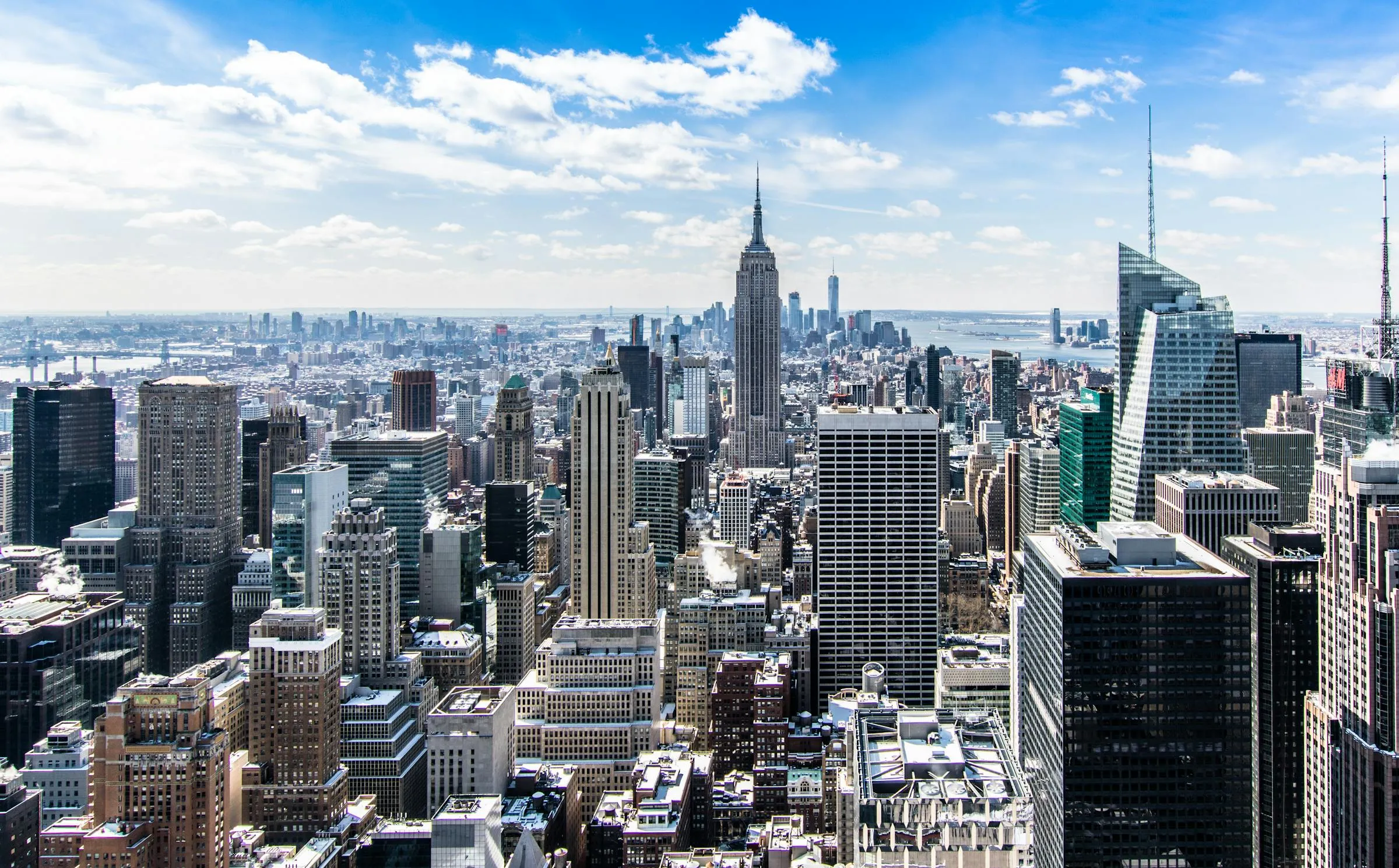
New York City needs no introduction. Home to Columbia, NYU, The New School, CUNY, Fordham, Barnard, Cooper Union, and dozens more, NYC offers an unmatched combination of cultural richness, career networking, and global connectivity. Every industry is represented, and the city's diversity means you will find communities from every corner of the world.
Pros: Unrivaled career opportunities, cultural capital of the world, diverse communities, 24/7 public transit, every cuisine imaginable.
Cons: Very high cost of living (rent $1,500–$2,500/month shared), fast pace can be overwhelming, small living spaces.
Average monthly cost (excl. tuition): $2,400–$3,700
3. San Francisco / Bay Area, California
The San Francisco Bay Area is the global capital of technology, home to Stanford, UC Berkeley, UC San Francisco, San Jose State, Santa Clara University, and within reach of Silicon Valley's tech giants. For students in computer science, engineering, entrepreneurship, or design, there is arguably no better location in the world.
Pros: Silicon Valley ecosystem, world-class STEM education, mild climate, natural beauty, diverse population.
Cons: Extremely high cost of living (the most expensive metro in the US), traffic, housing shortage.
Average monthly cost (excl. tuition): $2,200–$3,400
4. Los Angeles, California
LA is the second-largest city in the US, home to UCLA, USC, Caltech, Loyola Marymount, Occidental, Pepperdine, and the nation's entertainment industry capital. Students interested in film, media, arts, music, and creative industries find LA uniquely positioned. The city also has strong programs in engineering, medicine, and business.
Pros: Entertainment and creative industry hub, year-round warm weather, beach lifestyle, diverse food scene, large international communities.
Cons: Car-dependent (limited public transit), traffic congestion, high rent, urban sprawl.
Average monthly cost (excl. tuition): $1,800–$3,000
5. Chicago, Illinois
Chicago is the largest city in the Midwest and offers a compelling combination of world-class education and relative affordability. University of Chicago, Northwestern (Evanston), Illinois Institute of Technology, DePaul, Loyola, and the University of Illinois at Chicago are among the many institutions. The city is a major hub for finance, consulting, manufacturing, and the arts.
Pros: More affordable than coastal cities, excellent food and culture, strong job market, beautiful lakefront, good public transit (CTA).
Cons: Harsh winters (Chicago is called the “Windy City”), some neighborhoods have safety concerns.
Average monthly cost (excl. tuition): $1,500–$2,400
6. Washington, DC
The nation's capital is ideal for students in political science, international relations, law, public policy, journalism, and nonprofit work. Georgetown, George Washington University, American University, Howard University, and many think tanks and international organizations are based here. Internships at the White House, Congress, the World Bank, IMF, and embassies are accessible.
Pros: Political and policy hub, excellent internship opportunities, world-class museums (free!), Metro system, diverse and international.
Cons: High cost of living, humid summers, political focus can feel narrow for some fields.
Average monthly cost (excl. tuition): $1,700–$2,700
7. Philadelphia, Pennsylvania
Philadelphia offers Ivy League prestige at a more affordable cost than Boston or NYC. University of Pennsylvania, Drexel, Temple, Thomas Jefferson University, Villanova (nearby), and the Philadelphia College of Art are among the options. The city has a rich history (Independence Hall, Liberty Bell), a thriving food scene, and a growing tech sector.
Pros: More affordable than NYC/Boston, Ivy League access (Penn), strong healthcare and pharma industries, walkable center, close to NYC and DC by train.
Cons: Some areas have higher crime rates, public transit less extensive than NYC/Boston.
Average monthly cost (excl. tuition): $1,400–$2,100
8. Austin, Texas
Austin has emerged as one of America's fastest-growing cities and a top destination for students who want a vibrant lifestyle without coastal prices. University of Texas at Austin is the flagship, and the city's booming tech scene (Tesla, Apple, Google, Meta, Dell all have major operations) creates excellent internship and career opportunities.
Pros: No state income tax, booming tech job market, vibrant music and food scene (“Live Music Capital of the World”), warm climate, lower cost of living than coastal cities.
Cons: Hot summers (100°F+), car helpful (limited public transit), rapid growth has increased costs.
Average monthly cost (excl. tuition): $1,400–$2,200
9. Seattle, Washington
Seattle is the Pacific Northwest's hub, home to University of Washington (a top public research university), Seattle University, and close to major employers like Amazon, Microsoft, Boeing, and Starbucks. The city offers a unique blend of tech innovation, natural beauty, and progressive culture.
Pros: Strong tech job market, proximity to nature (mountains, water), no state income tax, diverse food scene, progressive culture.
Cons: Rainy weather (200+ cloudy days/year), high cost of living, traffic.
Average monthly cost (excl. tuition): $1,700–$2,600
10. Ann Arbor, Michigan
Ann Arbor is the quintessential American college town, dominated by the University of Michigan, consistently ranked among the top 25 universities globally. With 47,000 students in a city of 125,000, the university IS the city. Ann Arbor offers an intimate, campus-centered experience at a significantly lower cost than major metropolitan areas.
Pros: Top-ranked university, affordable relative to major cities, tight-knit community, excellent campus facilities, strong alumni network.
Cons: Cold winters, limited nightlife compared to big cities, fewer off-campus career opportunities.
Average monthly cost (excl. tuition): $1,200–$1,900
City Comparison Table
| City | Monthly Cost | Top Universities | Key Industries | Transit | Climate |
|---|---|---|---|---|---|
| Boston | $1,900–$3,000 | Harvard, MIT, BU | Tech, biotech, healthcare | Excellent | Cold winters |
| NYC | $2,400–$3,700 | Columbia, NYU | Finance, media, tech | Excellent | Four seasons |
| SF/Bay Area | $2,200–$3,400 | Stanford, UC Berkeley | Tech, startups | Good | Mild |
| LA | $1,800–$3,000 | UCLA, USC, Caltech | Entertainment, tech | Limited | Warm/sunny |
| Chicago | $1,500–$2,400 | UChicago, Northwestern | Finance, consulting | Good | Cold winters |
| DC | $1,700–$2,700 | Georgetown, GW | Politics, NGOs, intl. orgs | Good | Humid summers |
| Philadelphia | $1,400–$2,100 | UPenn, Drexel | Healthcare, pharma | Moderate | Four seasons |
| Austin | $1,400–$2,200 | UT Austin | Tech, startups | Limited | Hot summers |
| Seattle | $1,700–$2,600 | U of Washington | Tech (Amazon, Microsoft) | Moderate | Rainy |
| Ann Arbor | $1,200–$1,900 | U of Michigan | Education, auto (Detroit) | Limited | Cold winters |
For more information, explore our study in USA guide, including living in the USA and cost breakdown.
Frequently Asked Questions
What is the best student city in the USA?
Boston is widely considered the best overall student city due to its concentration of world-class universities, walkability, strong transit, and vibrant student culture. However, the “best” city depends on your field, budget, and lifestyle preferences.
What is the cheapest student city in the USA?
Among major student cities, Ann Arbor and Austin offer the lowest living costs ($1,200–$2,200/month). Cities in the Midwest and South (Columbus, Raleigh, Tucson) are even cheaper but have fewer top-ranked universities.
Which city is best for tech students?
The San Francisco Bay Area (Stanford, UC Berkeley, Silicon Valley) is unmatched for tech. Seattle (Amazon, Microsoft), Austin (growing tech hub), and Boston (biotech, AI) are strong alternatives.
Which city is best for business students?
New York City (Wall Street, consulting) and Chicago (UChicago Booth, Northwestern Kellogg) are the top choices. Boston (Harvard Business School, MIT Sloan) is also excellent.
Which city is best for arts and media students?
Los Angeles (entertainment industry), New York City (media, publishing, Broadway), and San Francisco (design, creative tech) are the top three.
Which city is best for political science students?
Washington, DC is the clear choice, with Georgetown, GW, American University, and direct access to Congress, the White House, think tanks, and international organizations.
Do I need a car in US cities?
Boston, NYC, and Chicago have excellent public transit and are easily navigable without a car. LA and Austin are car-dependent. SF, DC, Seattle, and Philadelphia fall in between.
How do I choose between a big city and a college town?
Big cities (NYC, LA, Chicago) offer more career opportunities, cultural activities, and diversity but cost more and can feel overwhelming. College towns (Ann Arbor) offer tight-knit communities, lower costs, and a campus-focused experience but fewer off-campus opportunities.
Related Articles
Best Student Cities in Australia 2026: Complete Guide
Comprehensive guide to the best student cities in Australia 2026: Sydney, Melbourne, Brisbane, Perth, Adelaide, Canberra, Gold Coast — rankings, costs, universities.
Student Life in Sydney vs Melbourne vs Brisbane: A Complete Comparison (2026)
Sydney vs Melbourne vs Brisbane for international students — rent, universities, nightlife, weather, transport, jobs, and graduate salaries compared for 2026.
10 Best Cities for International Students in Germany (2026)
Ranked guide to Germany's top 10 student cities with 2026 costs (€650-€1,400/month), universities, career prospects, and quality of life compared.