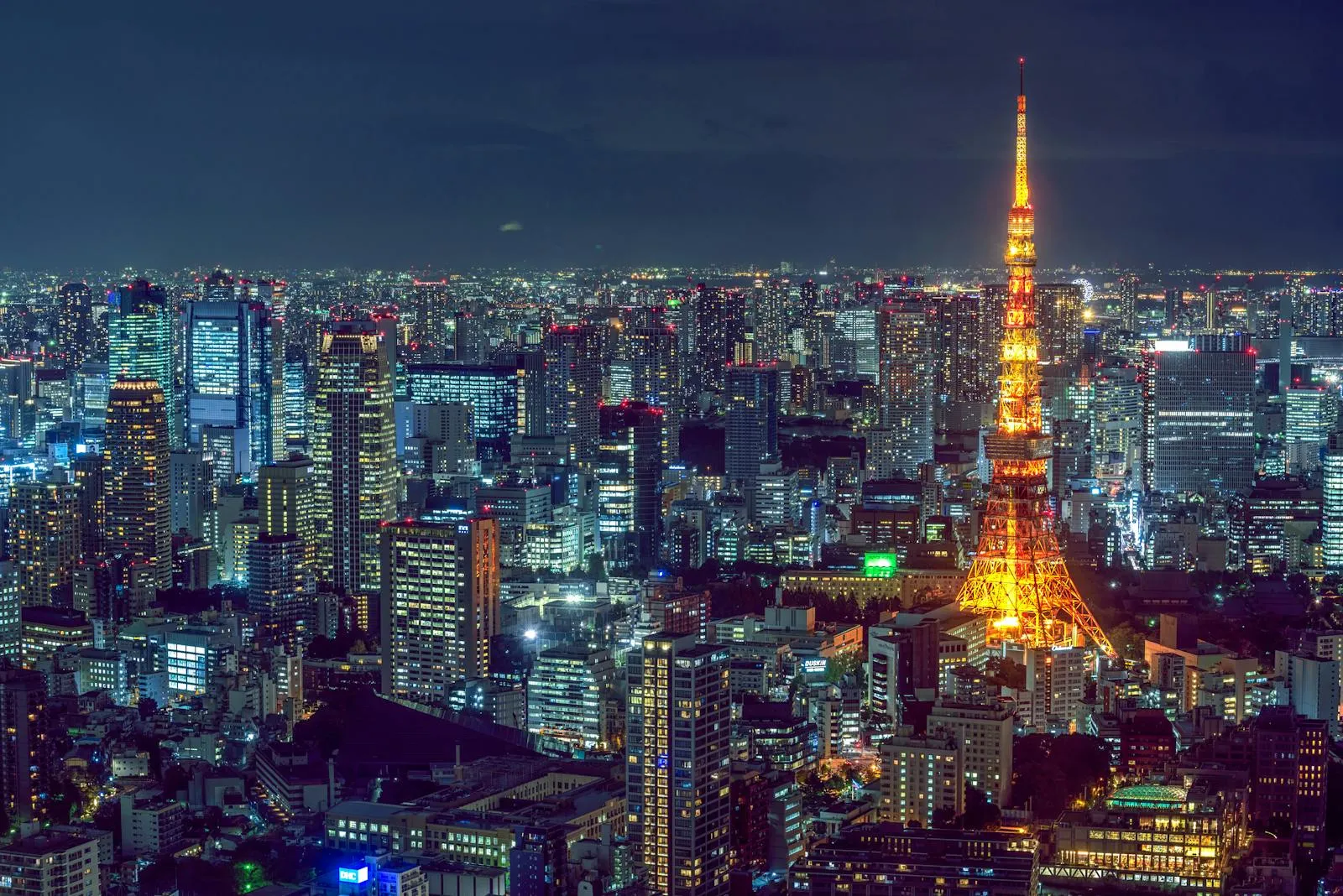
Best Student Cities in South Korea 2026
7 best student cities in South Korea: Seoul (₩800K-1.2M/month), Busan, Daejeon, Daegu, Incheon, Gwangju, Suwon — costs, unis, and student life.
On this page
- City Comparison at a Glance
- Seoul — The Capital of Student Life
- Busan — Beach City with Lower Costs
- Daejeon — Science Hub with Free KAIST Tuition
- Daegu — Lowest Cost, Strong Local Culture
- Incheon — Gateway City Near Seoul
- Gwangju — Cheapest Major City, Arts Capital
- Suwon — Samsung City Near Seoul
- Transport Connections Between Cities
- Which City Should You Choose?
- International Student Support by City
- Climate and Weather by City
- Part-Time Job Markets by City
- Nightlife and Social Scene
- Frequently Asked Questions
South Korea has over 400 universities, but international students cluster in a handful of cities. Seoul dominates with the SKY trio (Seoul National, Korea, Yonsei), plus Sungkyunkwan, Hanyang, and Sogang. Monthly living costs run ₩800,000–1,200,000. Busan offers Pusan National University and a coastal lifestyle at 30–40% lower costs. Daejeon hosts KAIST — free tuition for most students — in a compact, affordable city. Daegu, Incheon, Gwangju, and Suwon each bring distinct advantages. This guide compares seven cities on the factors that matter most: cost, universities, part-time work, transport, student life, and international community.
Your city choice shapes your entire experience. A student at KAIST in Daejeon saves ₩3,000,000–5,000,000 per year compared to the same lifestyle in Seoul. But Seoul offers more part-time jobs, a larger international community, and better nightlife. There is no single best city — only the best city for your priorities and budget.
For detailed cost breakdowns, see our South Korea costs guide. Scholarship information is in our scholarships guide. For a country overview, visit our South Korea study guide.
City Comparison at a Glance
| City | Population | Monthly Living Cost | Top Universities | Best For |
|---|---|---|---|---|
| Seoul | 9.7 million | ₩800,000–1,200,000 | SNU, Yonsei, Korea, SKKU, Hanyang, Sogang | Career opportunities, nightlife, international community |
| Busan | 3.4 million | ₩500,000–800,000 | Pusan National, Busan National Univ. of Education, Dong-A | Beach life, affordable, second-largest city |
| Daejeon | 1.5 million | ₩500,000–700,000 | KAIST, Chungnam National, Hanbat National | Science/engineering, free KAIST tuition, quiet campus life |
| Daegu | 2.4 million | ₩450,000–700,000 | Kyungpook National, Keimyung, Yeungnam | Lowest costs, strong local culture, safe |
| Incheon | 3.0 million | ₩500,000–800,000 | Inha, University of Incheon, Songdo campus (several) | Close to Seoul, airport access, Songdo international hub |
| Gwangju | 1.4 million | ₩400,000–650,000 | Chonnam National, GIST, Gwangju Institute of Science | Cheapest major city, arts scene, tight community |
| Suwon | 1.2 million | ₩500,000–750,000 | Ajou University, Kyonggi University | Near Seoul, Samsung HQ, UNESCO heritage site |
Seoul — The Capital of Student Life
Seoul is where most international students end up. Over 60% of all international students in Korea study in the capital region. The reasons are obvious: Korea's top universities are here, part-time jobs are plentiful, and the city has a massive international community.
Universities
Seoul hosts the SKY universities — Seoul National University, Korea University, and Yonsei University. These three dominate Korean higher education the way Oxbridge dominates the UK or the Ivy League dominates the US. Beyond SKY, Seoul has Sungkyunkwan (SKKU, backed by Samsung), Hanyang, Sogang, Ewha Womans University, and dozens more. Each neighbourhood has its own university cluster.
Student Neighbourhoods
Sinchon/Hongdae — Yonsei, Sogang, and Ewha form a triangle here. Hongdae (홍대) is Korea's most famous student neighbourhood. Live music venues, indie clubs, street performers, and hundreds of affordable restaurants line the streets. Rent: ₩400,000–600,000 for a one-room. Goshiwon: ₩350,000–450,000.
Anam/Seongbuk — Korea University's territory. Anam is packed with fried chicken joints, Korean BBQ restaurants, and student bars. Slightly cheaper than Hongdae. Rent: ₩350,000–550,000.
Gwanak/Sillim — Seoul National University sits on Gwanak Mountain, south of the Han River. The surrounding area is affordable by Seoul standards. Rent: ₩300,000–500,000. The SNU campus itself is massive — you need a bus to cross it.
Gangnam/Seocho — More expensive but home to some university departments and tech company offices. If you want internship proximity, Gangnam puts you close to Samsung, LG, and dozens of startups. Rent: ₩500,000–800,000.
Transport
Seoul has 23 subway lines covering virtually every neighbourhood. A T-money card costs ₩1,400 per ride. The Climate Card (기후동행카드) gives unlimited metro and bus rides for ₩55,000/month. Buses run until midnight. Night buses (올빼미 버스) cover major routes until 5 AM. Taxis are cheap by international standards — ₩4,800 base fare.
Part-Time Work
Seoul has the most part-time job opportunities in Korea. Hongdae alone has hundreds of cafes, restaurants, and shops that hire international students. English tutoring pays ₩20,000–40,000/hour (with proper permits). Convenience stores pay minimum wage (₩10,030/hour) and often need overnight staff.
Cost Summary
Seoul is the most expensive city in Korea for students. Budget ₩800,000–1,200,000/month for living costs alone, on top of tuition. It is still cheap compared to London, Tokyo, or Sydney — but 40–60% more expensive than Korean secondary cities.
Busan — Beach City with Lower Costs
Busan is Korea's second city. Located on the southern coast, it has beaches, mountains, fresh seafood, and a distinctive dialect. Living costs are 30–40% lower than Seoul.
Universities
Pusan National University (PNU) is the main draw — one of Korea's top national universities with strong engineering and maritime programmes. Dong-A University and Kyungsung University also have growing international student populations. The Busan campus of Korea Maritime and Ocean University (KMOU) is unique to the city.
Student Life
Busan's student culture centres on Kyungsung/Pukyong University area (경성대/부경대) — a dense strip of bars, restaurants, noraebang (karaoke), and PC bangs (gaming cafes). Haeundae Beach is a 30-minute subway ride from most campuses. Gamcheon Culture Village, Jagalchi Fish Market, and Gwangalli Beach give the city a relaxed coastal identity.
The international student community is smaller than Seoul's but growing. Busan actively recruits international students with city-funded scholarship supplements and cultural programmes.
Cost Summary
Budget ₩500,000–800,000/month. Room rent: ₩200,000–450,000. University cafeteria meals: ₩3,000–4,500. The biggest savings come from housing — Busan one-room apartments rent for 30–40% less than equivalent Seoul apartments.
Daejeon — Science Hub with Free KAIST Tuition
Daejeon is a mid-sized city in central Korea. It has one unique advantage: KAIST, where most students pay zero tuition and receive monthly stipends.
Universities
KAIST is the primary reason international students come to Daejeon. The university waives tuition for virtually all students and provides graduate stipends. Chungnam National University is another strong national university, especially for agriculture and biological sciences. The city also hosts the Electronics and Telecommunications Research Institute (ETRI) and several government research labs, creating a science and technology ecosystem.
Student Life
Daejeon is quieter than Seoul or Busan. That suits students who want to focus on research. The Yuseong (유성) district near KAIST has hot springs, affordable restaurants, and a small student nightlife scene. The city centre (둔산동, Dunsan-dong) has shopping, cinemas, and more entertainment. Daejeon is centrally located — KTX trains reach Seoul in 50 minutes (₩23,700).
Cost Summary
Budget ₩500,000–700,000/month. KAIST dormitories cost ₩150,000–250,000/month. Off-campus rooms: ₩200,000–400,000. Food and transport are cheap. A KAIST PhD student with a ₩700,000 stipend can cover all living costs and save money.
Daegu — Lowest Cost, Strong Local Culture
Daegu is Korea's fourth-largest city. It is the cheapest major city for students after Gwangju. The city is famous for hot summers, a strong regional accent, and deep traditions.
Universities
Kyungpook National University (KNU) is the city's top institution — a well-funded national university with strong engineering, medicine, and humanities departments. Keimyung University has a large international student programme and a campus designed in American collegiate style. Yeungnam University is in nearby Gyeongsan, a satellite city with even lower costs.
Student Life
The Dongseongno (동성로) downtown area is Daegu's shopping and entertainment hub. The Kyungpook University area (경대 앞) has the usual student infrastructure: cheap restaurants, cafes, PC bangs, and noraebang. Daegu is less international than Seoul or Busan, which means fewer English speakers but deeper immersion in Korean culture.
Summer temperatures hit 35°C+. Daegu is called the "대프리카" (Dafrica) by Koreans for its extreme summer heat. Budget for air conditioning costs in summer.
Cost Summary
Budget ₩450,000–700,000/month. Room rent: ₩180,000–400,000. Meals: ₩3,000–8,000. Daegu offers the best value for students who prioritize low costs and cultural immersion over nightlife and international community.
Incheon — Gateway City Near Seoul
Incheon borders Seoul to the west. It hosts Incheon International Airport and the Songdo International Business District — a planned city with several university campuses.
Universities
Inha University is Incheon's flagship — strong in engineering and logistics (originally founded as "Korea's MIT" with Hawaiian-Korean funding). Several universities operate campuses in Songdo Global Campus, including University of Utah Asia Campus, Ghent University Global Campus, and SUNY Korea. These Songdo campuses offer Western-style education at Korean prices.
Student Life
Incheon has two personalities. The old city centre (부평, Bupyeong) is dense, affordable, and traditionally Korean. Songdo is modern, glassy, and designed for international residents. Students in Songdo live in a bubble that feels more like Singapore than Korea. Students near Inha University get a traditional Korean university neighbourhood experience.
Incheon connects to Seoul via Seoul Metro Line 1 and the AREX airport express. Commuting to Seoul takes 40–60 minutes.
Cost Summary
Budget ₩500,000–800,000/month. Slightly cheaper than Seoul. Songdo accommodation runs higher (₩400,000–600,000) due to newer buildings. Old Incheon near Inha University is more affordable (₩250,000–400,000).
Gwangju — Cheapest Major City, Arts Capital
Gwangju is the cultural capital of southwestern Korea. It is known for the 1980 Democracy Movement, a strong arts scene, and the Gwangju Biennale — one of Asia's most important contemporary art events.
Universities
Chonnam National University (CNU) is a large national university with over 30,000 students. GIST (Gwangju Institute of Science and Technology) is a research-focused institution similar to KAIST. GIST offers full tuition waivers and stipends for graduate students. Honam University and Gwangju University round out the options.
Student Life
Gwangju is compact and walkable. The Chungjang-ro (충장로) area is the cultural centre. Food in Gwangju is famously good and cheap — the city is considered Korea's culinary capital by many Koreans. International students are rare, which means deep Korean immersion but fewer English-language resources.
Cost Summary
Budget ₩400,000–650,000/month. This is the cheapest major city in Korea. Room rent: ₩150,000–350,000. Meals: ₩3,000–7,000. A GIST graduate student on a full scholarship and stipend can save significant money here.
Suwon — Samsung City Near Seoul
Suwon is a satellite city 30 km south of Seoul. It is the capital of Gyeonggi Province and home to Samsung's global headquarters.
Universities
Ajou University is Suwon's main institution — strong in engineering and business, with growing international programmes. Kyonggi University also has a Suwon campus. The city's proximity to Seoul means students can attend events, internships, and part-time jobs in the capital without Seoul rent prices.
Student Life
Suwon's Hwaseong Fortress is a UNESCO World Heritage Site — a massive 18th-century wall that surrounds the old city centre. The fortress area has traditional markets, street food stalls, and historical sites. The Ingye-dong area is the modern downtown with shopping and entertainment.
The KTX from Suwon to Seoul Station takes 30 minutes (₩4,600). Seoul Metro Line 1 also connects the cities (about 60 minutes). Many Suwon students commute to Seoul for part-time work and social life.
Cost Summary
Budget ₩500,000–750,000/month. Room rent: ₩250,000–450,000. Cheaper than Seoul with easy access to the capital's resources.
Transport Connections Between Cities
Korea's transport network makes intercity travel fast and cheap. You are never isolated in any of these cities.
| Route | KTX (Train) | Intercity Bus | Notes |
|---|---|---|---|
| Seoul–Busan | 2.5 hrs / ₩59,800 | 4.5 hrs / ₩23,000 | Most popular route; trains every 15 min |
| Seoul–Daejeon | 50 min / ₩23,700 | 2 hrs / ₩9,600 | KAIST students visit Seoul on weekends |
| Seoul–Daegu | 1 hr 40 min / ₩43,500 | 3.5 hrs / ₩18,000 | KTX stop between Seoul and Busan |
| Seoul–Gwangju | 1 hr 50 min / ₩42,600 | 3.5 hrs / ₩16,900 | Less frequent than Busan route |
| Seoul–Suwon | 30 min / ₩4,600 | Metro Line 1: 60 min / ₩1,550 | Commuting distance |
| Seoul–Incheon | AREX: 43 min / ₩4,150 | Metro Line 1: 50 min / ₩1,550 | Subway connected; no KTX needed |
Get a T-money card on arrival. It works on all metros, buses, and KTX nationwide. The Korail Pass offers discounts for multiple KTX trips — useful for weekend travel.
Which City Should You Choose?
Match your city to your priorities:
- Best career prospects and networking: Seoul. Headquarters of Samsung, LG, Hyundai, SK, and virtually every Korean company. Most internship opportunities. Largest international community.
- Best value for money: Gwangju or Daegu. Lowest living costs. Deepest Korean cultural immersion. Strong national universities.
- Best for STEM students: Daejeon (KAIST, ETRI research ecosystem) or Pohang (POSTECH). Free tuition and stipends. Focused research environments.
- Best lifestyle: Busan. Beaches, seafood, nightlife, and a more relaxed pace than Seoul — at 30–40% lower costs.
- Best for Seoul access without Seoul costs: Suwon or Incheon. 30–60 minutes to central Seoul by metro or KTX. Significantly cheaper housing.
- Best international environment: Seoul (overall) or Incheon Songdo (Western-style campuses with English instruction).
International Student Support by City
Each city offers different levels of infrastructure for international students. This matters more than you might expect.
Seoul
Seoul has the most developed support network. The Seoul Global Center provides free Korean language classes, legal advice, tax help, and cultural programmes for foreign residents. Most university international offices in Seoul have full-time English-speaking staff. Hospitals in central Seoul (Severance, Samsung Medical Center, Asan Medical Center) have international patient departments with interpreters. Finding English-speaking services is not a problem.
Busan
The Busan Global Center mirrors Seoul's services on a smaller scale. Pusan National University has a dedicated international student support team. English-speaking medical services exist but are concentrated in Haeundae and Seomyeon. Outside these areas, bring a Korean friend or use a translation app for hospital visits.
Daejeon
KAIST provides extensive on-campus support because its graduate programmes are English-medium. The university has English-speaking administrative staff, counseling services, and a campus health center. The city itself has fewer English-language resources than Seoul or Busan. The KAIST international community is tight-knit and self-supporting.
Smaller Cities (Daegu, Gwangju, Suwon, Incheon)
Universities handle most international student support internally. City-level services for foreigners are limited. Hospital visits may require a Korean speaker. Government offices (immigration, district offices) have basic English support but expect longer wait times and occasional communication difficulties. Learning basic Korean before arrival pays off much more in smaller cities than in Seoul.
Climate and Weather by City
Korea has four distinct seasons. City choice affects your weather experience.
| City | Winter Low | Summer High | Climate Notes |
|---|---|---|---|
| Seoul | −10°C to −5°C | 30–35°C | Cold, dry winters; hot, humid summers; monsoon in July |
| Busan | −2°C to 3°C | 28–33°C | Milder winters than Seoul; ocean breeze; typhoon season Aug–Sep |
| Daejeon | −8°C to −3°C | 30–34°C | Continental; similar to Seoul; slightly less humid |
| Daegu | −5°C to 0°C | 33–38°C | Hottest major city; basin geography traps heat |
| Gwangju | −4°C to 1°C | 30–34°C | Slightly warmer winters than Seoul; moderate summers |
Korean winters are cold everywhere. Budget for a proper winter coat (₩50,000–200,000), thermal layers, and heating costs. Summer monsoon season (late June through late July) brings heavy rain across the entire country. Typhoons occasionally affect the southern coast (Busan, Gwangju) in August and September.
Part-Time Job Markets by City
Job availability varies significantly by city. This affects your ability to earn while studying.
Seoul: The largest job market by far. Hongdae and Itaewon have constant demand for bilingual workers in cafes, restaurants, and retail. English tutoring opportunities concentrate in Gangnam and affluent neighbourhoods. Corporate part-time work (translation, content creation, marketing) is available through university job boards and Korean job apps like 알바몬 (Albamon) and 알바천국 (Alba Cheonguk).
Busan: Growing but smaller than Seoul. The tourism industry around Haeundae creates seasonal service jobs. English teaching demand exists but pays slightly less than Seoul (₩15,000–30,000/hour vs. ₩20,000–40,000 in Seoul). University research assistantships are the most stable income source.
Daejeon: Limited service-industry jobs. KAIST and other universities provide the most part-time opportunities through research assistantships and campus jobs. Some students work at cafes or tutoring centres near the university area. The smaller job market means less competition, but fewer openings overall.
Smaller cities: Service-industry jobs are available but English-speaking opportunities are rare. Most international students rely on campus work, research assistantships, or online freelancing. Teaching English privately requires permits and is harder to find outside Seoul and Busan.
Nightlife and Social Scene
Seoul
Hongdae is ground zero for student nightlife. Clubs like Cocoon, NB, and Madholic run until 6 AM. No cover charge at most venues on weekdays. Itaewon is the international party district — bars, clubs, and restaurants from every cuisine. Gangnam has upscale clubs with higher cover charges (₩10,000–30,000). Seoul nightlife runs all night thanks to the night bus system.
Busan
Seomyeon (서면) is Busan's main nightlife district. Dense bar streets, clubs, and late-night food stalls. Gwangalli Beach has a more relaxed bar scene with ocean views. The Kyungsung University area caters to the student crowd with cheaper drinks and venues.
Other Cities
Daejeon, Daegu, Gwangju, and Suwon all have university-area nightlife, but it is smaller and more local. This can be a positive — you get to know people faster in a tighter community. Expect to hear more Korean and less English at bars and clubs outside Seoul.
Frequently Asked Questions
What is the best city in South Korea for international students?
Seoul is the most popular choice and offers the most opportunities — top universities, part-time jobs, international community, and nightlife. But "best" depends on your priorities. Budget-conscious students do better in Daejeon, Busan, or Gwangju. STEM students should consider Daejeon (KAIST) or Pohang (POSTECH) for free tuition and focused research environments.
How much cheaper is Busan compared to Seoul?
Busan is 30–40% cheaper overall. Room rent is the biggest difference: ₩200,000–450,000 in Busan versus ₩300,000–700,000 in Seoul. Food and transport cost about the same. Annual savings of ₩2,000,000–4,000,000 ($1,500–3,000 USD) are realistic. Busan still offers a full urban experience — it is Korea's second-largest city with 3.4 million people.
Is KAIST in Daejeon worth choosing over Seoul universities?
For STEM students, yes. KAIST offers free tuition + monthly stipends for virtually all students. Living in Daejeon costs 30–40% less than Seoul. The university ranks in the QS Top 50 for engineering. The trade-off: Daejeon has less nightlife, fewer part-time jobs, and a smaller international community. Seoul is 50 minutes away by KTX if you want weekend trips.
Can I commute from Suwon or Incheon to Seoul?
Yes. Suwon to Seoul takes 30 minutes by KTX (₩4,600) or 60 minutes by Metro Line 1 (₩1,550). Incheon to Seoul takes 40–60 minutes by subway. Many students live in these satellite cities for cheaper rent and commute to Seoul for part-time jobs, internships, or social events. The transit infrastructure makes this practical.
Which city has the best nightlife for students?
Seoul, specifically Hongdae. No other Korean city comes close. Hongdae has clubs, live music venues, street performances, and affordable bars open until 6 AM. Itaewon adds international variety. Busan's Seomyeon district is a distant second. Other cities have university-area bar streets but lack the scale and diversity of Seoul.
How important is the T-money card?
Essential. The T-money card works on every metro, bus, and many taxis across all Korean cities. Buy one at any convenience store for ₩2,500 and top it up as needed. In Seoul, consider the Climate Card (₩55,000/month for unlimited rides). T-money saves 10% versus cash fares on buses and enables free transfers between metro and bus within 30 minutes.
Are there English-speaking communities outside Seoul?
Smaller ones. Busan has a growing international community, especially around Haeundae. Songdo (Incheon) has Western campus branches with English-speaking student bodies. Daejeon's KAIST is fully English for graduate programmes. But outside these pockets, expect Korean to be the primary language. This is an advantage for Korean language learners — full immersion accelerates your progress dramatically.
Which city is safest for international students?
All Korean cities are safe by global standards. South Korea has one of the lowest violent crime rates among OECD countries. You can walk alone at night in any of these seven cities without concern. Petty theft is rare. The biggest "safety" factor is traffic — be careful crossing streets, especially near university areas where scooter delivery riders drive fast.
Related Articles
Best Student Cities in Australia 2026: Complete Guide
Comprehensive guide to the best student cities in Australia 2026: Sydney, Melbourne, Brisbane, Perth, Adelaide, Canberra, Gold Coast — rankings, costs, universities.
Student Life in Sydney vs Melbourne vs Brisbane: A Complete Comparison (2026)
Sydney vs Melbourne vs Brisbane for international students — rent, universities, nightlife, weather, transport, jobs, and graduate salaries compared for 2026.
10 Best Cities for International Students in Germany (2026)
Ranked guide to Germany's top 10 student cities with 2026 costs (€650-€1,400/month), universities, career prospects, and quality of life compared.