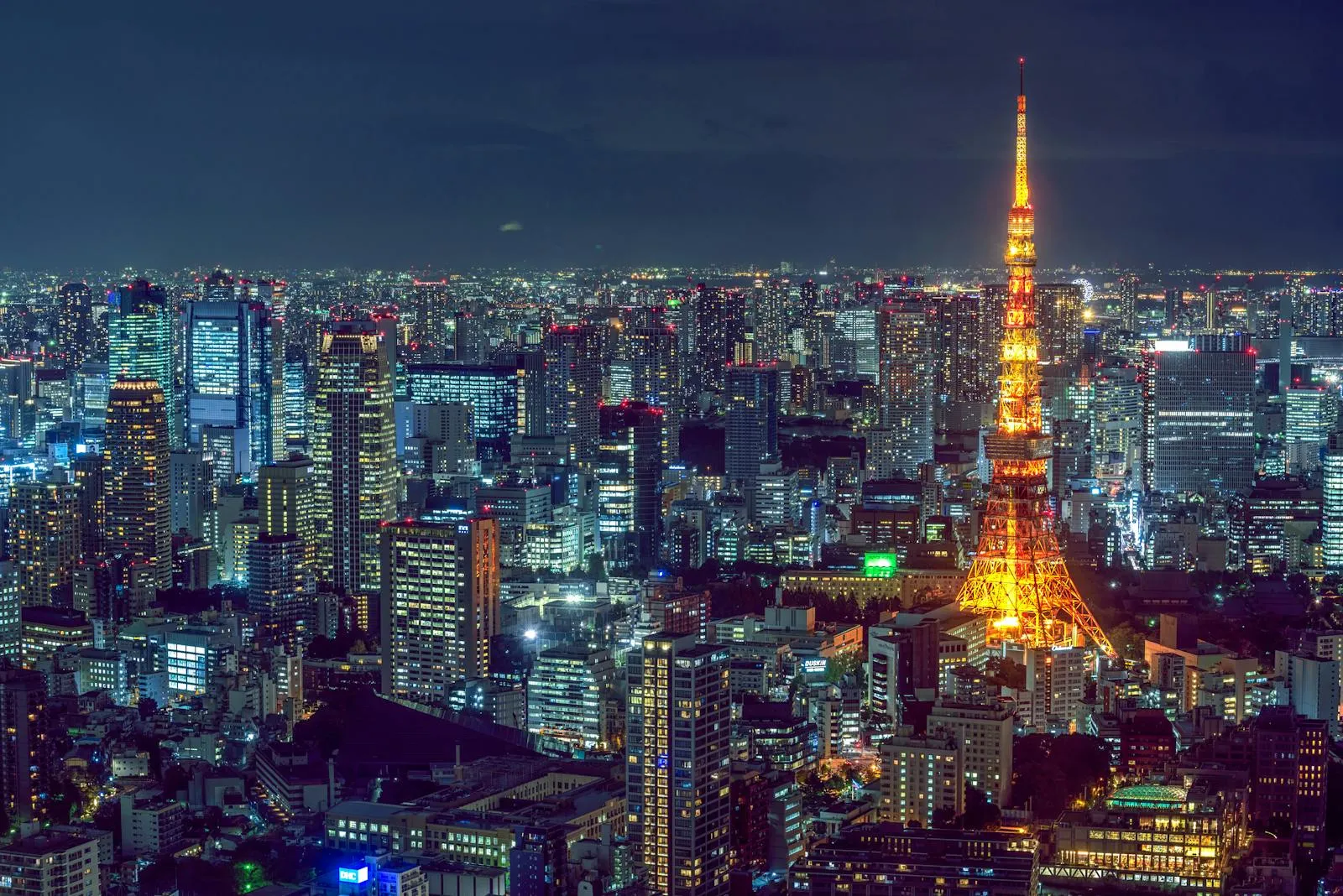
Best Student Cities in Japan 2026
7 best student cities in Japan compared: Tokyo (¥100K+/month), Osaka (¥70K), Kyoto, Nagoya, Fukuoka, Sendai, Sapporo — costs, universities, and part-time jobs.
Japan has over 800 universities spread across the country, but most international students concentrate in a handful of cities. Tokyo has the largest international student population (over 110,000) and the highest living costs (¥100,000–140,000/month). Osaka offers similar opportunities at 70–80% of Tokyo's cost. Kyoto puts you in a city with 38 universities and 150,000 students in a population of 1.5 million. Fukuoka is the rising star — fast-growing, affordable (¥60,000–90,000/month), and increasingly popular with international students. This guide compares seven cities on the metrics that matter: cost, universities, part-time jobs, international community, and quality of life.
Your city choice affects your budget, job prospects, and daily experience more than your university ranking. A national university student in Fukuoka can live comfortably on ¥80,000/month. The same student in Tokyo needs ¥120,000+. That difference adds up to ¥480,000 per year — almost the cost of one year's tuition at a national university.
For full cost details, see our Japan costs guide. For scholarship opportunities, check our Japan scholarships guide. For a complete country overview, visit our Japan study guide.
City Comparison at a Glance
| City | Monthly Living Cost | International Students | Major Universities | Part-Time Wage |
|---|---|---|---|---|
| Tokyo | ¥100,000–140,000 | ~110,000 | University of Tokyo, Waseda, Keio, Sophia, Meiji | ¥1,163+/hr |
| Osaka | ¥70,000–100,000 | ~35,000 | Osaka University, Osaka Metropolitan, Kansai University | ¥1,114+/hr |
| Kyoto | ¥70,000–95,000 | ~25,000 | Kyoto University, Doshisha, Ritsumeikan | ¥1,058+/hr |
| Nagoya | ¥65,000–95,000 | ~20,000 | Nagoya University, Nanzan University | ¥1,077+/hr |
| Fukuoka | ¥60,000–90,000 | ~18,000 | Kyushu University, Fukuoka University | ¥992+/hr |
| Sendai | ¥60,000–85,000 | ~10,000 | Tohoku University | ¥923+/hr |
| Sapporo | ¥60,000–85,000 | ~7,000 | Hokkaido University | ¥960+/hr |
Tokyo: The Megacity
Tokyo is where most international students end up. The capital has 185 universities and colleges — more than any other city in the world. Over 110,000 international students study here, making up about 35% of all international students in Japan.
Universities
The University of Tokyo (東京大学, Todai) ranks as Japan's top institution. It sits at #28 globally (QS 2025) and offers strong English-taught programmes like PEAK (Programs in English at Komaba) for undergraduates and multiple Graduate Schools of Engineering and Science programmes for master's and PhD students.
Waseda University is the largest private university in Japan for international students. Over 5,000 international students study there. English-taught degree programmes span political science, economics, science, and engineering. The campus is in Shinjuku — central Tokyo.
Keio University, Sophia University (上智大学), Meiji University, and Tokyo Institute of Technology round out the top tier. Each offers distinct strengths: Keio for business, Sophia for liberal arts and languages, Meiji for social sciences, and Tokyo Tech for engineering and science.
Living in Tokyo
Rent is the biggest expense. A dormitory room costs ¥30,000–50,000/month. A shared house room runs ¥50,000–70,000. A studio apartment in a livable area (Suginami, Nerima, Kita) costs ¥65,000–85,000. Central areas (Shibuya, Shinjuku, Minato) start at ¥100,000+.
A student living in a shared house in Nakano, cooking at home, and using a commuter pass spends about ¥105,000/month. That breaks down to ¥55,000 rent, ¥25,000 food, ¥8,000 transport, ¥5,000 phone, ¥2,000 NHI, and ¥10,000 personal expenses.
Part-time jobs are abundant. Tokyo's service industry has a chronic labor shortage. Convenience stores, restaurants, cafes, and English tutoring companies hire international students readily. Minimum wage is ¥1,163/hour — the highest in Japan. A student working 20 hours/week earns about ¥93,000/month.
Who Tokyo Is Best For
Choose Tokyo if you want the widest university selection, maximum part-time job options, the largest international community, and access to major companies for internships and post-graduation employment. Accept higher costs as the trade-off.
Osaka: The Affordable Alternative
Osaka is Japan's third-largest city (2.7 million people) and the economic center of western Japan. It offers 70–80% of Tokyo's opportunities at 70–80% of the cost. About 35,000 international students study in the greater Osaka area.
Universities
Osaka University (阪大, Handai) ranks among Japan's top five. It is strong in engineering, medicine, and science. The Minoh campus focuses on foreign studies and hosts many exchange students. The university has over 2,500 international students.
Osaka Metropolitan University (formed from the merger of Osaka City University and Osaka Prefecture University in 2022) is one of Japan's largest public universities. Tuition is the same as national universities.
Kansai University, Kwansei Gakuin University, and Ritsumeikan University's Osaka campus are strong private options with growing English-track programmes.
Living in Osaka
Osaka is 20–30% cheaper than Tokyo for rent. A shared house room costs ¥30,000–45,000/month. A studio apartment in a student-friendly area (Toyonaka, Suita, Sakai) runs ¥40,000–60,000. The Umeda and Namba areas are pricier but still cheaper than central Tokyo.
Food is where Osaka shines. The city is famous for cheap, filling street food. Takoyaki costs ¥400. A bowl of udon starts at ¥350. Supermarkets in Osaka are 5–10% cheaper than Tokyo. A student cooking at home can eat well for ¥22,000/month.
In Osaka, a student in a university dormitory paying ¥25,000 rent, eating affordably, and cycling to campus spends about ¥70,000/month total. That is ¥35,000 less than the same lifestyle in Tokyo.
Part-time work is plentiful. Minimum wage is ¥1,114/hour. Tourism-related jobs are growing rapidly, especially for students who speak English, Chinese, or Korean. Osaka is Japan's second-largest tourism hub after Tokyo.
Who Osaka Is Best For
Choose Osaka if you want strong universities at lower cost, a lively food culture, easy access to Kyoto and Kobe (30 minutes by train), and a warm, outgoing local culture. Osaka people are known for being more informal and approachable than Tokyo residents.
Kyoto: The University City
Kyoto has the highest student density of any major Japanese city. With a population of 1.5 million, the city has 38 universities and colleges and about 150,000 students — one in every ten residents is a student. About 25,000 are international.
Universities
Kyoto University (京大, Kyodai) is Japan's second-ranked university. It has produced more Nobel laureates than any other Japanese institution. Strong in science, medicine, and liberal arts. The university has about 2,300 international students and growing English-taught programmes.
Doshisha University is a top private university with strong humanities and business programmes. Ritsumeikan University is known for international programmes and has one of the highest proportions of international students among private universities.
Living in Kyoto
Kyoto is compact. Most students cycle everywhere, saving on transport costs. Rent is similar to Osaka: ¥30,000–55,000 for a student apartment. The city has no subway-level transport system like Tokyo, but the bus network and bicycle infrastructure are excellent.
A student at Kyoto University living in a university dormitory (¥15,000–20,000/month — some of the cheapest dorms in Japan) and cycling to campus can live on ¥65,000/month. That includes ¥20,000 rent, ¥25,000 food, ¥3,000 phone, ¥2,000 NHI, and ¥15,000 personal expenses.
The downside: Kyoto has fewer part-time job options than Tokyo or Osaka. Tourism jobs exist, but they are seasonal (peak in spring and autumn). The minimum wage is ¥1,058/hour, lower than both Tokyo and Osaka.
Who Kyoto Is Best For
Choose Kyoto if you prefer a smaller, more manageable city with a strong academic atmosphere. It suits students who prioritize research and study over nightlife and urban excitement. The cultural richness — 2,000+ temples and shrines — is a bonus for those interested in Japanese culture and history.
Nagoya: The Manufacturing Hub
Nagoya (2.3 million people) is Japan's fourth-largest city and the center of its manufacturing industry. Toyota, Brother, Denso, and dozens of auto parts makers are headquartered in the region. This makes Nagoya strong for engineering students seeking industry connections.
Universities
Nagoya University (名大, Meidai) is a top-tier national university. It has produced six Nobel laureates in physics and chemistry. The university has about 2,000 international students and offers English-taught programmes in engineering and science.
Nanzan University is the region's strongest private university, known for foreign language education and international exchange programmes.
Living in Nagoya
Nagoya is 15–25% cheaper than Tokyo. A studio apartment near Nagoya University costs ¥35,000–50,000/month. The city has an efficient subway system. Student commuter passes cost ¥5,000–8,000/month.
Nagoya residents famously eat well for less. The city's "morning service" (モーニング) tradition means many coffee shops offer a full breakfast (toast, egg, salad, coffee) for the price of a coffee — about ¥400.
Part-time work is available, especially in manufacturing-adjacent roles and the service industry. Minimum wage is ¥1,077/hour. The Toyota ecosystem offers internship opportunities for engineering students that are hard to find elsewhere.
Who Nagoya Is Best For
Choose Nagoya if you study engineering, automotive technology, or manufacturing-related fields. The industry connections are unmatched. The city is also a good middle ground — cheaper than Tokyo, well-connected by shinkansen (1.5 hours to Tokyo, 50 minutes to Kyoto), and large enough to have everything you need.
Fukuoka: The Rising Star
Fukuoka (1.6 million people) is the largest city on Kyushu island and Japan's fastest-growing major city. It has won "Most Livable City in Asia" awards from multiple publications. About 18,000 international students study here — and the number grows each year.
Universities
Kyushu University (九大, Kyudai) is one of Japan's seven former Imperial Universities. It ranks among the top 10 nationally. The Ito campus, opened in 2005, is one of the most modern university campuses in Japan. The university has about 2,500 international students and strong English-taught programmes in engineering, science, and agriculture.
Fukuoka University is the largest private university on Kyushu. Seinan Gakuin University offers English-taught liberal arts programmes.
Living in Fukuoka
Fukuoka is 30–40% cheaper than Tokyo. A studio apartment near Kyushu University costs ¥30,000–45,000/month. The city center (Tenjin, Hakata) is compact and accessible. Many students cycle or use the city's efficient bus system.
Fukuoka is famous for yatai (open-air food stalls) that serve ramen for ¥500–700. The city's food scene is excellent and cheap. A student who cooks at home and eats out occasionally spends ¥25,000/month on food.
A Kyushu University student in a dormitory (¥20,000/month) who cycles to campus spends about ¥65,000/month total. That is ¥40,000 less than a similar lifestyle in Tokyo.
Part-time work: Minimum wage is ¥992/hour — lower than the big three cities. But the cost of living is so much lower that the purchasing power is similar. Tourism jobs are growing fast, especially at Hakata Station and the Tenjin shopping area.
Fukuoka also has a startup visa programme. The city is a National Strategic Special Zone for startups, offering special visa conditions for international graduates who want to start a business.
Who Fukuoka Is Best For
Choose Fukuoka if you want the best value for money in Japan. The combination of a strong national university, low costs, mild climate, and growing international community makes it ideal for budget-conscious students. Proximity to South Korea (1.5 hours by ferry or 1 hour by plane to Busan) is a bonus for Korean students.
Sendai: The Research City
Sendai (1.1 million people) is the largest city in the Tohoku region. It is sometimes called the "City of Trees" for its green boulevards. The city is quieter and smaller than the others on this list, but it has one major draw: Tohoku University.
Tohoku University
Tohoku University (東北大学, Tohokudai) is one of Japan's top five research universities. It was the first Japanese university to admit female students (1913) and the first to admit international students. It consistently ranks in the top 100 globally. The university has about 2,200 international students and strong English-taught graduate programmes in materials science, engineering, and physics.
Tohoku University is particularly strong in materials science (ranked #1 in Japan) and physics. If your field aligns with these strengths, Sendai is hard to beat.
Living in Sendai
Sendai is 35–45% cheaper than Tokyo. A studio apartment near campus costs ¥25,000–40,000/month. The city center is walkable. University dormitories start at ¥10,000/month — among the cheapest in Japan.
A Tohoku University student in a dormitory paying ¥15,000 rent, cooking at home, and walking to campus spends about ¥60,000/month. Annual living costs can be as low as ¥720,000 (about $4,800 USD).
Part-time work is more limited. Minimum wage is ¥923/hour — the lowest on this list. Job options focus on convenience stores, restaurants, and tutoring. Fewer tourism-related jobs than coastal or metropolitan cities.
Who Sendai Is Best For
Choose Sendai if you are a research-focused graduate student, especially in materials science, physics, or engineering. The low cost of living combined with Tohoku University's research strength makes it excellent value. The trade-off is a smaller international community and fewer urban distractions.
Sapporo: The Northern Option
Sapporo (2 million people) is the largest city on Hokkaido, Japan's northernmost island. The city is famous for its beer, snow festivals, and outdoor lifestyle. About 7,000 international students study here.
Hokkaido University
Hokkaido University (北大, Hokudai) is a former Imperial University and one of Japan's top research institutions. The campus is enormous — 1.8 km² in central Sapporo. It has about 2,000 international students and offers English-taught programmes in environmental science, agriculture, engineering, and public policy.
Hokkaido University is particularly strong in environmental science, agriculture, and fisheries science. These fields reflect Hokkaido's natural environment — the island is Japan's agricultural heartland.
Living in Sapporo
Sapporo is 30–40% cheaper than Tokyo. A studio apartment near Hokkaido University costs ¥28,000–42,000/month. The city has an efficient subway and tram system.
The climate is different from the rest of Japan. Winters are long and cold (November to March), with heavy snowfall. Heating costs add ¥5,000–10,000/month in winter. Summer is mild and pleasant — no rainy season, no typhoons, no extreme heat.
A Hokkaido University student in a dormitory (¥15,000/month) who cycles in summer and uses public transit in winter spends about ¥65,000/month average (more in winter, less in summer).
Part-time work: Minimum wage is ¥960/hour. Tourism-related jobs peak during the Snow Festival (February) and summer. Ski resorts near Sapporo (Niseko, Rusutsu) hire international students during winter season at good rates.
Who Sapporo Is Best For
Choose Sapporo if you study environmental science, agriculture, or related fields. It also suits students who enjoy outdoor activities — skiing, hiking, nature. The lower cost of living and spacious campus create a relaxed study environment. If you dislike cold weather, look elsewhere.
How to Choose Your City
Use this decision framework:
Budget is your top priority? Sendai, Fukuoka, or Sapporo. All three have strong national universities and living costs under ¥80,000/month.
Career networking and internships? Tokyo or Nagoya. Tokyo for finance, IT, and general business. Nagoya for manufacturing and engineering.
Academic prestige and research? Tokyo (University of Tokyo), Kyoto (Kyoto University), or Sendai (Tohoku University for materials science).
Best quality of life for the cost? Fukuoka. Strong university, low costs, great food, mild climate, growing international community.
Cultural immersion? Kyoto for traditional culture. Osaka for street culture and food. Tokyo for everything.
For visa information regardless of which city you choose, see our Japan student visa guide. For details on working during your studies, visit our work and career guide.
Frequently Asked Questions
Which is the cheapest city to study in Japan?
Sendai and Fukuoka tie for the cheapest among cities with strong universities. Monthly living costs start at ¥60,000 in both cities. Sendai has slightly cheaper rent, while Fukuoka has cheaper food. Both are 35–45% cheaper than Tokyo. A student at Tohoku University (Sendai) or Kyushu University (Fukuoka) can live on under ¥800,000/year for living expenses.
Is it hard to find part-time work outside Tokyo?
Part-time jobs exist in all major cities. Osaka and Nagoya have nearly as many opportunities as Tokyo. Smaller cities like Sendai and Sapporo have fewer options, but lower competition. Convenience stores (konbini) hire international students in every city. English tutoring is available everywhere. Tourism-related jobs are seasonal in smaller cities but year-round in Tokyo, Osaka, and Kyoto.
Can I study in English outside Tokyo?
Yes. Every major national university on this list offers English-taught programmes. Kyushu University has extensive English-taught options. Osaka University is expanding its English programmes. Hokkaido University and Tohoku University both have established English-taught graduate programmes. For private universities, Ritsumeikan Asia Pacific University (APU) in Beppu (near Fukuoka) teaches entirely in English and Japanese.
Which city has the best post-graduation job market?
Tokyo dominates. About 70% of international students who find jobs in Japan after graduation work in the Tokyo metropolitan area. Osaka is second, followed by Nagoya (especially for engineering). Fukuoka's startup scene is growing but still small. If your goal is to work in Japan after graduation, Tokyo gives you the most options.
How important is Japanese language ability for living in these cities?
In Tokyo and Osaka, you can manage with English for basic daily tasks. Signs are bilingual, and service staff in tourist areas speak some English. In smaller cities like Sendai and Sapporo, Japanese is more necessary for daily life. Regardless of city, learning Japanese to JLPT N3 level within your first year dramatically improves your daily life and part-time job prospects.
Which city has the largest international student community?
Tokyo, by a large margin — over 110,000 international students. Osaka has about 35,000, Kyoto about 25,000, and Nagoya about 20,000. In smaller cities, the community is tighter but smaller: Sendai has about 10,000 and Sapporo about 7,000. A smaller community can mean closer friendships and more support. A larger community means more events, networks, and diversity.
Can I easily travel between cities while studying?
Yes. Japan's shinkansen (bullet train) network connects all major cities. Tokyo to Osaka takes 2.5 hours. Tokyo to Sendai is 1.5 hours. Nagoya to Kyoto is 35 minutes. Budget airlines (Peach, Jetstar Japan) offer flights between cities for ¥3,000–8,000 if booked early. Student discount bus services (夜行バス) run overnight for ¥2,000–5,000 between major cities.
Is the weather a factor in choosing a city?
It depends on your preferences. Sapporo has harsh winters (heavy snow, -10°C) but cool, pleasant summers. Fukuoka and Osaka are mild year-round but hot and humid in summer (35°C+). Tokyo has hot summers and mild winters. Sendai is moderate with some snow. Kyoto has extremes — very hot summers and cold winters. If you hate heat, Sapporo. If you hate cold, Fukuoka.
Related Articles
Best Student Cities in Australia 2026: Complete Guide
Comprehensive guide to the best student cities in Australia 2026: Sydney, Melbourne, Brisbane, Perth, Adelaide, Canberra, Gold Coast — rankings, costs, universities.
Student Life in Sydney vs Melbourne vs Brisbane: A Complete Comparison (2026)
Sydney vs Melbourne vs Brisbane for international students — rent, universities, nightlife, weather, transport, jobs, and graduate salaries compared for 2026.
10 Best Cities for International Students in Germany (2026)
Ranked guide to Germany's top 10 student cities with 2026 costs (€650-€1,400/month), universities, career prospects, and quality of life compared.