Best Student Cities in Australia 2026: Complete Guide
Comprehensive guide to the best student cities in Australia 2026: Sydney, Melbourne, Brisbane, Perth, Adelaide, Canberra, Gold Coast — rankings, costs, universities.
Choosing the right city is one of the most important decisions you will make when planning to study in Australia. Your city determines not only your living costs and lifestyle but also your job opportunities, social life, and overall experience. Australia offers an impressive range of student-friendly cities, from the vibrant global metropolises of Sydney and Melbourne to the more affordable and laid-back options like Adelaide, Perth, and Brisbane. In 2026, three Australian cities rank in the QS Best Student Cities top 30, and all major cities offer world-class universities, high quality of life, and excellent post-graduation employment prospects. This guide profiles each major student city to help you find your perfect match.
City-by-City Comparison at a Glance
| City | QS Ranking | Top Universities | Monthly Living Cost (AUD) | Best For |
|---|---|---|---|---|
| Melbourne | #5 globally | UniMelb, Monash, RMIT, Deakin | $2,000–$3,000 | Arts, culture, diversity |
| Sydney | #8 globally | USyd, UNSW, UTS, Macquarie | $2,200–$3,200 | Finance, tech, harbour lifestyle |
| Brisbane | #22 globally | UQ, QUT, Griffith | $1,700–$2,500 | Outdoor lifestyle, affordability |
| Perth | #35 globally | UWA, Curtin, Murdoch | $1,600–$2,400 | Mining, engineering, beaches |
| Adelaide | #40 globally | Adelaide, Flinders, UniSA | $1,400–$2,100 | Affordability, wine country |
| Canberra | #29 globally | ANU, UC | $1,800–$2,700 | Research, government, policy |
| Gold Coast | Not ranked | Griffith, Bond, SCU | $1,500–$2,300 | Beach lifestyle, tourism |
Melbourne
Melbourne consistently ranks as Australia's top student city and among the top five globally in the QS Best Student Cities index. The capital of Victoria is renowned for its thriving arts scene, world-class coffee culture, diverse food options from every cuisine imaginable, and a deeply multicultural population where over 200 languages are spoken.
Universities: Melbourne is home to the University of Melbourne (QS #13 globally), Monash University (QS #37), RMIT University, Deakin University, La Trobe University, and Swinburne University of Technology. The concentration of high-ranking institutions makes Melbourne unrivaled for academic choice.
Living costs: Melbourne is more affordable than Sydney but still commands premium prices by Australian standards. Expect to pay AUD$900–$1,300/month for a room in a shared house and AUD$2,000–$3,000/month total including food, transport, and entertainment. The free tram zone in the CBD helps reduce transport costs for students living centrally.
Student life: Melbourne's laneways, rooftop bars, live music venues, and street art make it one of the most culturally vibrant cities in the world. The city hosts the Australian Open, Melbourne Cup, and Melbourne International Film Festival. Public transport (trams, trains, buses) is extensive, and cycling infrastructure is well-developed.
Job market: Strong in finance, technology, healthcare, education, and creative industries. Melbourne's diverse economy provides good part-time work options for students and excellent graduate employment prospects.
Sydney
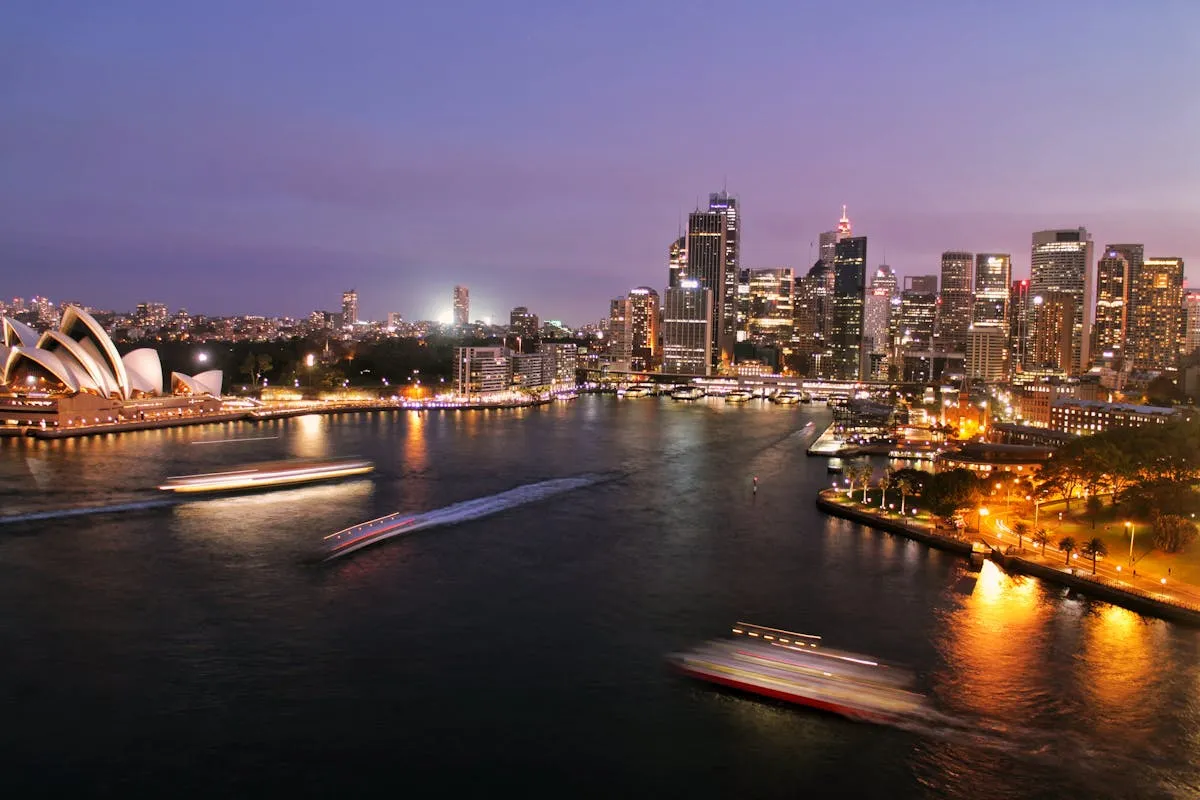
Sydney is Australia's largest and most internationally recognized city, famous for its harbour, Opera House, and Harbour Bridge. It ranks #8 globally in QS Best Student Cities and offers an unmatched combination of academic prestige, career opportunities, and lifestyle.
Universities: The University of Sydney (QS #18), UNSW Sydney (QS #19), University of Technology Sydney (UTS), Macquarie University, and Western Sydney University. Sydney has the highest concentration of top-100 universities in Australia.
Living costs: Sydney is the most expensive student city in Australia. Rent for a shared room ranges from AUD$1,000–$1,400/month, and total monthly costs are AUD$2,200–$3,200. However, Sydney also offers some of the highest casual wages and the most abundant part-time job opportunities.
Student life: Bondi Beach, Manly, the Blue Mountains, and the harbour foreshore provide endless outdoor activities. Sydney's nightlife, dining scene, and cultural events rival any world city. The Opal card offers student concession rates on buses, trains, ferries, and light rail.
Job market: Australia's financial capital with the headquarters of most major banks, consulting firms, and tech companies. Excellent for students interested in finance, law, technology, and media.
Brisbane
Brisbane is Australia's third-largest city and the capital of Queensland. It has emerged as one of the country's most popular student destinations thanks to its warm subtropical climate, significantly lower living costs than Sydney and Melbourne, and rapidly growing economy. Brisbane will host the 2032 Olympic Games, driving massive infrastructure investment.
Universities: The University of Queensland (UQ) (QS #40), Queensland University of Technology (QUT), and Griffith University. UQ is a Group of Eight university with particular strengths in science, engineering, and business.
Living costs: AUD$750–$1,100/month for shared accommodation, AUD$1,700–$2,500/month total. Brisbane offers 20–30% lower costs than Sydney while maintaining a high quality of life.
Student life: South Bank, Fortitude Valley, and West End provide vibrant food, music, and nightlife scenes. The climate allows year-round outdoor activities, and the Gold Coast and Sunshine Coast are within easy reach for weekend trips. Free CityHopper ferry service on the Brisbane River.
Job market: Growing strongly in technology, renewable energy, tourism, and education. The 2032 Olympics are creating thousands of new jobs in construction, hospitality, and services.
Perth
Perth is the most isolated major city in the world, situated on Australia's west coast. Despite its remoteness from the eastern capitals, Perth offers an exceptional quality of life, beautiful beaches, and strong employment opportunities particularly in the mining and resources sector.
Universities: The University of Western Australia (UWA) (QS #77, Group of Eight), Curtin University, Murdoch University, and Edith Cowan University.
Living costs: AUD$750–$1,100/month for shared accommodation, AUD$1,600–$2,400/month total. Perth is comparable to Brisbane in affordability and significantly cheaper than Sydney.
Student life: Perth offers stunning beaches (Cottesloe, Scarborough), Kings Park overlooking the Swan River, Rottnest Island day trips, and the Margaret River wine region. The climate is Mediterranean — warm, sunny, and dry for most of the year. Nightlife is more relaxed than Melbourne or Sydney but growing rapidly.
Job market: Dominated by mining, resources, and engineering. Students in these fields enjoy exceptional employment prospects. Perth also has growing tech, healthcare, and education sectors.
Adelaide
Adelaide is Australia's most affordable major student city and is increasingly popular with international students seeking quality education without the premium prices of Sydney or Melbourne. The capital of South Australia is compact, easy to navigate, and surrounded by world-class wine regions.
Universities: The University of Adelaide (Group of Eight), Flinders University, and the University of South Australia (UniSA). The University of Adelaide offers some of the most generous international scholarships among Go8 institutions.
Living costs: AUD$600–$900/month for shared accommodation, AUD$1,400–$2,100/month total. Adelaide is 30–40% cheaper than Sydney, making it the best value option for budget-conscious students.
Student life: Adelaide is known for its festivals (Adelaide Fringe, WOMADelaide, Adelaide Festival), its central market, and the Barossa Valley wine region just 60 minutes away. The city is compact and bikeable, with free city bus services in the CBD. Adelaide's student-to-resident ratio is high, creating a strong student community feel.
Job market: Growing in defense, space technology, health and medical research, wine and food production, and renewable energy. Adelaide is a hub for Australia's defense industry, with major contracts driving employment growth.
Regional bonus: Adelaide qualifies as a regional area for immigration purposes, which means graduates may be eligible for additional points toward permanent residency and extra years on the Subclass 485 post-study work visa.
Canberra
Canberra is Australia's capital city and home to the nation's top-ranked university — the Australian National University (ANU), ranked #30 globally. Canberra is purpose-built, planned, and significantly smaller than other capital cities, creating a unique campus-city feel.
Universities: ANU and the University of Canberra. ANU is Australia's highest-ranked university in many world rankings and is particularly strong in research, politics, international relations, and science.
Living costs: AUD$800–$1,200/month for shared accommodation, AUD$1,800–$2,700/month total. Canberra sits between Sydney and Adelaide in terms of cost.
Student life: Canberra offers national museums and galleries (all free), Lake Burley Griffin, and excellent access to nature (Namadgi National Park, Tidbinbilla). The nightlife scene is smaller than Melbourne or Sydney, but the student community at ANU is tight-knit and active. Canberra has the highest average income in Australia, which translates to better-paying student jobs.
Job market: Dominated by the Australian Government, policy think tanks, research institutions, and the diplomatic corps. Excellent for students in political science, international relations, law, and public policy.
Gold Coast
The Gold Coast is a beachside city south of Brisbane known for its surf, theme parks, and laid-back lifestyle. It is increasingly popular with international students seeking an affordable alternative to Sydney with a beach lifestyle.
Universities: Griffith University (Gold Coast campus), Bond University (private), and Southern Cross University.
Living costs: AUD$700–$1,000/month for shared accommodation, AUD$1,500–$2,300/month total. More affordable than Sydney and Melbourne.
Student life: Surfers Paradise, Broadbeach, Burleigh Heads, theme parks (Dreamworld, Movie World, Sea World), and the hinterland rainforests provide endless recreational options. The Gold Coast is a tourism hub with strong casual employment in hospitality.
Job market: Tourism, hospitality, events, health, and education. The 2032 Olympics (shared with Brisbane) will boost employment opportunities significantly.
How to Choose Your City
Consider these factors when selecting your study destination:
- Budget: If cost is your primary concern, Adelaide offers the best value. Perth and Brisbane are strong mid-range options.
- Career goals: Sydney for finance and tech. Melbourne for creative industries and health. Perth for mining and engineering. Canberra for government and policy.
- Lifestyle preferences: Beach lifestyle? Perth, Gold Coast, or Sydney. Arts and culture? Melbourne. Warm year-round? Brisbane or Gold Coast.
- University rankings: If global ranking matters most, Melbourne and Sydney have the highest concentration of top-ranked institutions.
- Immigration pathway: Adelaide, Perth, and Canberra offer regional migration advantages, including extra points and longer post-study work visas.
- Climate: Brisbane and Perth are warm year-round. Melbourne has the most variable weather. Canberra has cold winters.
For comprehensive information about studying in Australia, explore our country guide, costs and funding page, and living in Australia guide. For visa information, read our Subclass 500 visa guide.
Frequently Asked Questions
What is the best student city in Australia?
Melbourne consistently ranks as Australia's best student city (QS #5 globally), offering the best combination of universities, culture, and student experience. Sydney (#8) is the top choice for career opportunities.
Which is the cheapest city to study in Australia?
Adelaide is the most affordable, with living costs 30–40% lower than Sydney. Perth and Brisbane are also more affordable alternatives.
Is Melbourne or Sydney better for international students?
Melbourne is better for arts, culture, and overall student experience. Sydney is better for career opportunities in finance, tech, and law. Melbourne is slightly more affordable.
Which Australian city has the most universities?
Melbourne has the most universities (8+), followed by Sydney (6+). Both cities have multiple institutions in the global top 100.
Which cities offer regional migration advantages?
Adelaide, Perth (some areas), Gold Coast, and Canberra qualify as regional areas for immigration purposes, offering additional points for permanent residency and potentially longer post-study work visas.
Which city is best for part-time work?
Sydney offers the most jobs and highest casual wages. Melbourne has the most diverse job market. Brisbane and Perth offer good opportunities with less competition.
What is the climate like in Australian student cities?
Brisbane and Perth are warm year-round (subtropical/Mediterranean). Sydney has mild winters and warm summers. Melbourne has variable weather. Canberra has cold winters and hot summers. Adelaide has a Mediterranean climate.
Is it safe to study in Australia?
Yes. All major Australian cities are considered safe by global standards. Australia consistently ranks in the top 15 safest countries in the world. Universities provide security services, and most campuses have 24/7 support for students.
Which city is best for STEM students?
Melbourne (UniMelb, Monash) and Sydney (UNSW, USyd) are strongest for STEM. Canberra (ANU) excels in research science. Perth (UWA, Curtin) is best for mining and geoscience.
Can I move between cities during my studies?
You are generally tied to the city where your university is located during your course. However, some universities have campuses in multiple cities (e.g., Monash in Melbourne and several regional locations, Griffith in Brisbane and Gold Coast). After graduation, the Subclass 485 visa allows you to work anywhere in Australia.
Related Articles
Student Life in Sydney vs Melbourne vs Brisbane: A Complete Comparison (2026)
Sydney vs Melbourne vs Brisbane for international students — rent, universities, nightlife, weather, transport, jobs, and graduate salaries compared for 2026.
10 Best Cities for International Students in Germany (2026)
Ranked guide to Germany's top 10 student cities with 2026 costs (€650-€1,400/month), universities, career prospects, and quality of life compared.

Student Life in Berlin vs Munich vs Hamburg: City Comparison Guide (2026)
Compare student life in Berlin, Munich, and Hamburg — cost of living, universities, nightlife, job markets, and which German city is best for you in 2026.