Living in Turkiye - Türkiye'de Eğitim (tr)
A practical guide to student life in Turkiye — from the best student cities and accommodation options to Turkish culture, food, transport, healthcare, and making the most of your experience.
Living in Turkiye as a Student
Life in Turkiye is shaped by a culture that genuinely values community, hospitality, and shared meals — and this extends to how international students are welcomed. Whether you are navigating the bustling streets of Istanbul, exploring Ankara's modern capital atmosphere, enjoying Izmir's Aegean coast, or settling into Eskisehir's student-friendly vibe, Turkiye offers a daily experience that is rich, affordable, and often surprising. This guide covers the practical realities of student life in Turkiye.
Turkiye's Best Student Cities
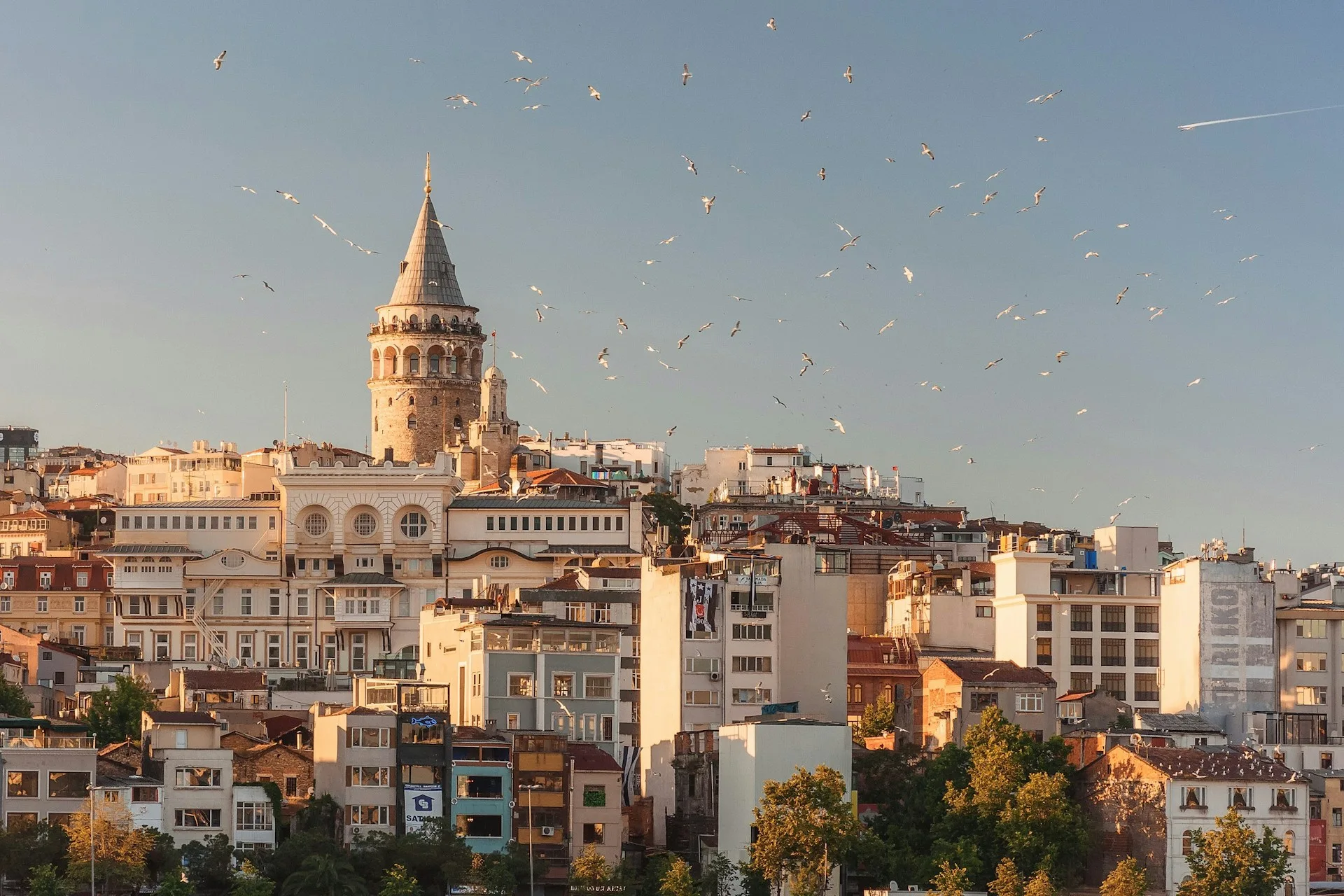
Istanbul
Turkiye's largest city (16+ million people) straddles two continents and is home to the country's highest concentration of universities, cultural institutions, and career opportunities.
| Aspect | Details |
|---|---|
| Top universities | Bogazici, ITU, Koc, Sabanci, Istanbul University, Marmara, Yildiz Technical |
| Monthly cost | USD 550-700 |
| Character | Cosmopolitan, energetic, culturally rich, historically layered |
| Pros | Most career opportunities; best nightlife and cultural scene; international community |
| Cons | Most expensive city; traffic and commuting; fast-paced; can be overwhelming |
Ankara
Turkiye's capital city is more planned, quieter, and cheaper than Istanbul, with some of Turkiye's best universities.
| Aspect | Details |
|---|---|
| Top universities | METU, Hacettepe, Bilkent, Ankara University |
| Monthly cost | USD 400-550 |
| Character | Modern, orderly, political center, university-focused |
| Pros | Top universities at lower cost; less chaotic than Istanbul; large student population |
| Cons | Less culturally vibrant than Istanbul; cold winters; fewer entertainment options |
Izmir
Turkiye's third-largest city on the Aegean coast offers a relaxed Mediterranean atmosphere with good universities.
| Aspect | Details |
|---|---|
| Top universities | Ege University, Dokuz Eylul University, Izmir Institute of Technology |
| Monthly cost | USD 400-550 |
| Character | Relaxed, liberal, coastal, Aegean culture |
| Pros | Beautiful climate; Aegean lifestyle; affordable; beach access |
| Cons | Fewer English-taught programs; smaller international community than Istanbul or Ankara |
Eskisehir
Often called Turkiye's most student-friendly city, Eskisehir has a large student population relative to its size and a youthful, vibrant atmosphere.
| Aspect | Details |
|---|---|
| Top universities | Anadolu University, Eskisehir Osmangazi University |
| Monthly cost | USD 350-450 |
| Character | Young, student-oriented, affordable, lively |
| Pros | Very low cost; large student community; student-oriented businesses and culture |
| Cons | Fewer top-ranked universities; fewer English-taught options; smaller city |
Accommodation
Types of Student Accommodation
| Type | Monthly Cost | Best For |
|---|---|---|
| KYK dormitory | USD 50-100 | Budget-conscious students; Turkiye Burslari recipients |
| University dormitory | USD 80-150 | Students wanting campus proximity and community |
| Private dormitory (ozel yurt) | USD 100-250 | Students wanting better facilities and meal plans |
| Shared apartment | USD 150-350 | Students wanting independence and local immersion |
| Studio apartment | USD 250-500+ | Students wanting full privacy (higher budget) |
Finding an apartment: Use sahibinden.com (Turkiye's main property portal), hepsiemlak.com, university notice boards, and student social media groups. Always view apartments in person before signing. Turkish rental contracts typically require a deposit (depozito) equal to one month's rent and may require a guarantor (kefil).
Turkish Culture and Daily Life
Hospitality (Misafirperverlik)
Turkish culture's most defining characteristic for newcomers is the genuine warmth and hospitality toward guests. You will be offered tea (cay) constantly — in shops, at friends' homes, at the barber, and sometimes by strangers. Accept it graciously; it is a fundamental social ritual. You may be invited to family meals, helped by neighbors who barely know you, and shown kindness that might seem unusual if you come from a more reserved culture.
Food Culture
Turkish cuisine is one of the world's great food traditions:
- Breakfast (kahvalti): A major meal in Turkiye — typically includes cheese, olives, tomatoes, cucumbers, eggs, honey, bread, and tea. Weekend breakfasts can last hours.
- Kebabs: Far more diverse than the doner you know from abroad — try Adana kebab, Iskender kebab, cop sis, and regional varieties
- Street food: Simit (sesame bread ring), balik ekmek (fish sandwich), kumpir (stuffed baked potato), lahmacun, borek
- Desserts: Baklava, kunefe, sutlac (rice pudding), lokma, Turkish delight (lokum)
- Drinks: Cay (black tea) is consumed in massive quantities. Turkish coffee (turk kahvesi) is a UNESCO-recognized tradition. Ayran (salted yogurt drink) accompanies many meals.
Eating affordably: University cafeterias serve meals for TRY 5-15. Lokantas (traditional restaurants) offer home-style meals at very reasonable prices. Cooking at home using market produce is extremely affordable.
Tea and Coffee Culture
Turkish social life revolves around tea and coffee. Cay bahcesi (tea gardens) are everywhere and serve as gathering places for all ages. Turkish coffee has its own tradition, including fortune-telling from the coffee grounds (fal). Offering and accepting tea is a fundamental part of social interaction.
Religion and Social Norms
Turkiye is a secular republic with a predominantly Muslim population. While personal religious practice varies widely, you should be aware of:
- Ramadan (Ramazan): During this month, many people fast from sunrise to sunset. Some restaurants may be closed during the day in conservative areas.
- Mosque etiquette: Remove shoes before entering; women should cover their heads and shoulders
- Dress: Turkiye is generally liberal about dress, especially in major cities. Conservative areas may expect more modest clothing.
- Alcohol: Available in restaurants, bars, and shops, though some areas are more conservative than others
Transport
Within Cities
| City | Transport Options | Student Card |
|---|---|---|
| Istanbul | Metro, tram, bus, ferry, Marmaray, minibus | Istanbulkart (student rate) |
| Ankara | Metro, bus, dolmus | Ankarakart (student rate) |
| Izmir | Metro, bus, ferry | Kentkart (student rate) |
| Eskisehir | Tram, bus | Eskart (student rate) |
Student transport cards offer significant discounts — typically 50% off standard fares. Buy your student transport card within the first week.
Between Cities
- Buses: Turkiye's intercity bus network is excellent. Companies like Metro Turizm, Pamukkale, and Kamil Koc offer comfortable, affordable service between all cities.
- Trains: High-speed trains (YHT) connect Ankara to Istanbul, Eskisehir, Konya, and Sivas. Affordable and comfortable.
- Flights: Budget airlines like Pegasus and AnadoluJet offer cheap domestic flights. Book early for the best prices.
Saglik Hizmetleri
| Service | Access | Cost |
|---|---|---|
| University health center | Free for registered students | Free |
| State hospitals | With SGK insurance | Low co-pays |
| Private hospitals | With private insurance or out-of-pocket | Higher but still affordable by Western standards |
| Pharmacies (eczane) | Widely available; many medications available without prescription | Varies |
Emergency number: 112 (ambulance, fire, police — all services)
You can compare health insurance options for Turkiye to find coverage that fits your needs and budget.
Safety
Turkiye's major student cities are generally safe. Standard precautions:
- Keep valuables secure, especially on public transport
- Be cautious in crowded areas (pickpocketing exists in tourist zones)
- Use registered taxis or ride-hailing apps (BiTaksi)
- Keep copies of your passport and residence permit
- Register with your home country's embassy
Natural disaster awareness: Turkiye is seismically active. Learn earthquake safety procedures and familiarize yourself with evacuation routes in your building.
Making the Most of Your Experience
- Learn Turkish: Even basic Turkish transforms your daily interactions and opens social doors
- Join student clubs: Turkish universities have active clubs covering everything from sports to music to hiking
- Travel within Turkiye: The country's geography is incredibly diverse — from beaches to mountains to ancient ruins
- Embrace the food: Explore beyond campus cafeterias; try regional specialties and street food
- Build local friendships: Turkish students are generally welcoming to international students. Accept invitations and attend social events.
- Visit historical sites: Turkiye has 19 UNESCO World Heritage Sites and countless other historical attractions
Sonraki Adimlar
- Work and career opportunities — Part-time work, internships, and post-graduation options
- Review costs and funding — Budgeting and financial planning
- Check visa requirements — Residence permit maintenance and renewal
- Why study in Turkiye? — Revisit the key reasons for choosing Turkiye width: wide
Sık Sorulan Sorular
What are the best student cities in Turkiye?
Is Turkiye safe for international students?
What is Turkish food like?
How is public transport in Turkish cities?
What is the weather like in Turkiye?
Can I use English in daily life in Turkiye?
How do I find accommodation in Turkiye?
What social activities are available for students?
İlgili rehberler
Why Study in Turkiye
Turkiye offers ultra-affordable tuition, full-ride government scholarships, a bridge between Europe and Asia, and a rapidly growing higher education system — here's why 250,000+ international students choose it.
🗺️Plan Your Studies
A step-by-step planning timeline for studying in Kanada — from choosing a province and program to meeting language requirements and applying to Designated Learning Institutions.
🎓Programs and Universities
Explore Turkiye's top universities, English-taught programs, and academic strengths — from Bogazici and METU to Koc and Sabanci — and find the right fit for your degree.
📝Admissions and Application
A step-by-step guide to applying to Turkish universities — from the YOS exam and Turkiye Burslari scholarship to direct applications, required documents, and admission timelines.
💰Costs and Funding
A complete financial guide to studying in Turkiye — tuition fees at state and private universities, monthly living costs by city, the Turkiye Burslari scholarship, and other funding options.
🛂Visa and Arrival
Everything you need to know about the Turkish student visa and residence permit — from application requirements and documents to arrival procedures, registration, and permit renewal.
💼Work and Career
A guide to working during and after your studies in Turkiye — from part-time work rules and internships to post-graduation work permits, career opportunities, and Turkiye's growing job market.