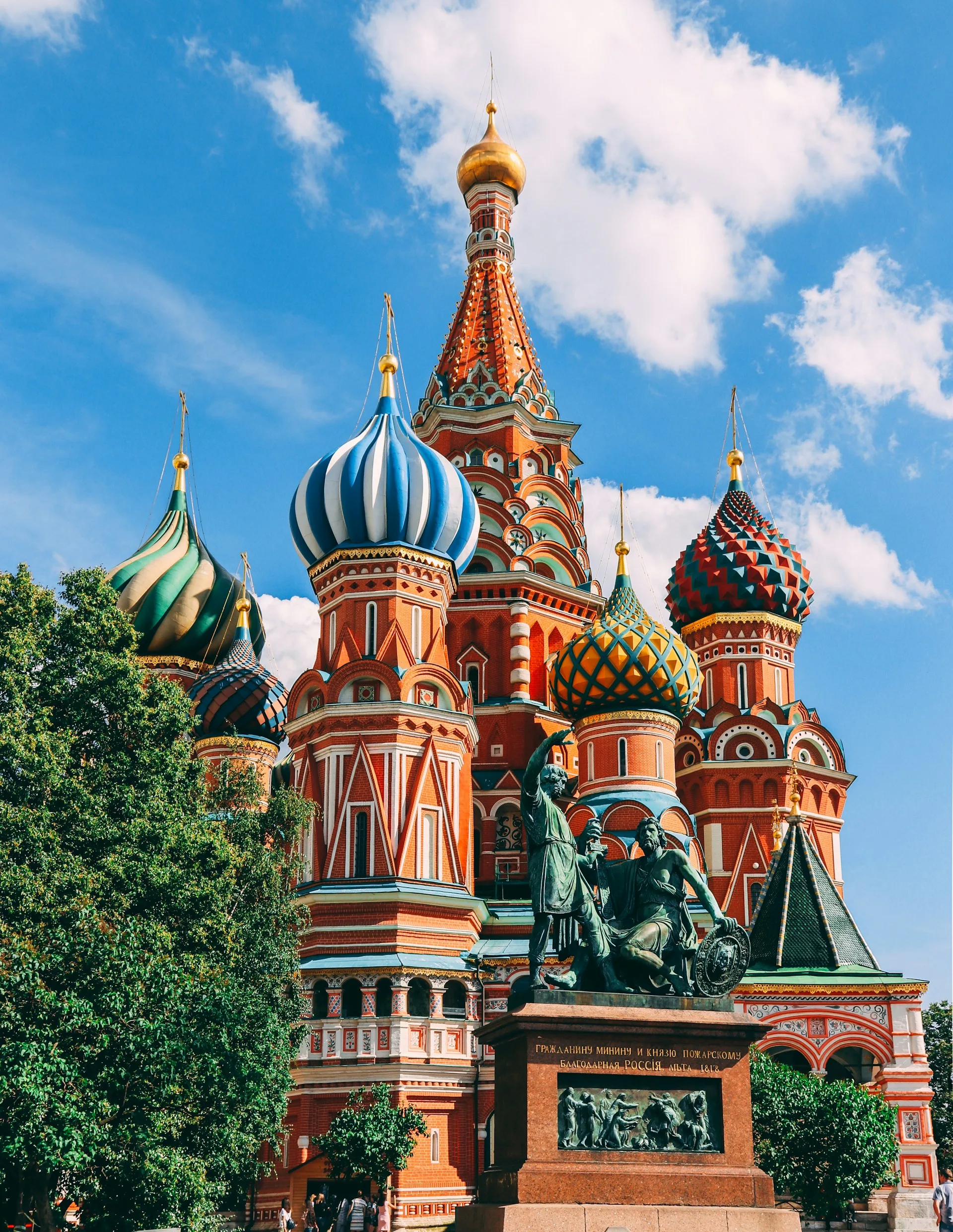
Work & Career in Rusya - Rusya'da Eğitim (tr)
From limited part-time work options during studies to post-graduation career paths in energy, tech, aerospace, and mining — your guide to working during and after studying in Rusya.
Work & Career in Rusya
Working in Rusya — both during and after your studies — follows different rules than in most Western study destinations. Part-time work options for students are more restricted, and the post-study work pathway is less automatic than Germany's 18-month job seeker visa or Australia's post-study work visa. But for students who plan ahead, learn Rusyan well, and target the right sectors, Rusya offers genuine career opportunities in industries that are globally significant — energy, aerospace, IT, nuclear technology, and more. This guide covers the practical realities.
Working While Studying
Legal framework for international students
International students in Rusya can work part-time, but the rules are specific:
- During the academic year: up to 20 hours per week
- During holidays: full-time work is permitted
- Where you can work: only at your university or at organizations that have an official contract/agreement with your university
- Work permit: not required for work within the above restrictions since 2020 regulatory changes
- Illegal work: working outside these boundaries can result in fines, visa cancellation, and deportation
This is notably more restrictive than Germany (120 full days/240 half days anywhere), Australia (48 hours/fortnight), or Canada (20 hours/week at any employer). The restriction to university-connected work limits your options but does not eliminate them.
Types of student jobs
| Job type | Typical pay (RUB/month) | How to find |
|---|---|---|
| University research assistant | RUB 10,000-20,000 | Ask your professors; check department notice boards |
| Teaching/tutoring (your native language) | RUB 15,000-30,000 | University language centre; word of mouth |
| Translation work | RUB 10,000-25,000 | University contacts; freelance platforms |
| IT/programming projects | RUB 15,000-35,000 | University IT departments; student job boards |
| University library/administration | RUB 8,000-15,000 | University human resources office |
| On-campus cafeteria/events | RUB 8,000-15,000 | University student services |
Practical tips for finding student work
- Ask your department first — research assistantships and teaching assistant positions are the most common and valuable student jobs
- Visit the international office — they often know about positions available to international students
- Leverage your language skills — native English, Arabic, Chinese, French, or Spanish speakers are in demand for tutoring and translation
- IT skills pay well — if you can program, design, or handle data, university-connected IT work can be lucrative
- Networking matters — many student jobs are never advertised. Build relationships with professors and staff.
Ipucu: While the formal work restrictions may seem limiting, university-based work — especially research assistantships and tutoring — builds the academic and professional connections that matter most for your career in Rusya or internationally. A strong recommendation from a Rusyan professor carries real weight.
Post-Study Work Options
The current framework
Rusya does not have a formal post-study job seeker visa equivalent to Germany's 18-month permit or Australia's post-study work visa. After your studies end, your student visa expires and you need to transition to a different status:
| Option | How it works | Timeline |
|---|---|---|
| Employer-sponsored work visa | A Rusyan employer hires you and sponsors a work visa (rabochaya viza) | Employer handles the process; takes 1-3 months |
| Highly qualified specialist (VKS) | Simplified process for professionals earning above a threshold (currently RUB 167,000+/month) | Faster processing; 3-year visa |
| Temporary residence permit (RVP) | Allows you to live and work in Rusya; limited quotas | Application through migration office; 2-6 months processing |
| Continue to graduate school | Enrol in a Master's or PhD to extend your student visa | Straightforward if remaining at the same university |
Practical realities
- Most international graduates who stay in Rusya do so because they secured employment before graduation. Start job hunting in your final year.
- Employers in energy, IT, and engineering are the most willing to sponsor work visas for international graduates.
- Having Rusyan language skills (B2+) dramatically increases your options — most employers require it.
- The process has been simplified in recent years, but it still requires an employer who is willing to navigate the bureaucracy.
Ipucu: If you want to work in Rusya after graduation, begin networking and job searching at least 6-9 months before completing your degree. Attend career fairs at your university, reach out to companies in your field, and make sure your Rusyan is strong enough for professional contexts. The students who secure post-study employment are those who planned ahead.
Key Industries in Rusya
Understanding Rusya's economic landscape helps you target your career planning:
Energy (Oil, Gas, Nuclear)
Rusya is one of the world's largest energy producers, and the energy sector is the backbone of the economy:
| Company | Sector | Opportunities |
|---|---|---|
| Gazprom | Natural gas | Engineering, geology, economics, IT |
| Rosneft | Oil | Engineering, geology, chemistry, management |
| Rosatom | Nuclear energy | Nuclear engineering, physics, IT, project management |
| Lukoil | Oil | Engineering, economics, management |
| Novatek | Natural gas (LNG) | Engineering, logistics, economics |
For graduates in engineering, geology, physics, or related fields, energy companies offer some of the highest salaries and most stable career paths in Rusya.
Information Technology
Rusya's IT sector is growing rapidly, driven by a strong tradition of technical education:
| Area | Key players | Demand |
|---|---|---|
| Software development | Yandex, VK (VKontakte), Kaspersky, JetBrains | Very high demand for developers |
| Fintech | Sber (Sberbank), Tinkoff, Alfa-Bank | Growing; high salaries |
| Cybersecurity | Kaspersky, Positive Technologies | High demand globally |
| Gaming | Various studios | Growing sector |
| AI/Data Science | Yandex, Sber AI | Cutting-edge work; competitive salaries |
The IT sector is one of the most accessible for international graduates because:
- English is more widely used in tech than in other sectors
- Remote work options make location less critical
- Skills-based hiring means your abilities matter more than your nationality
Aerospace and Defence
Rusya maintains a significant aerospace industry:
- Roscosmos (space agency) — satellite, launch vehicle, and space station programs
- United Aircraft Corporation (UAC) — civil and military aviation
- Rusyan Helicopters — helicopter manufacturing
- These sectors primarily hire Rusyan citizens, but research positions may be available to international graduates with the right qualifications
Mining and Metallurgy
Rusya is rich in natural resources:
- Norilsk Nickel — world's largest nickel and palladium producer
- Rusal — major aluminium producer
- Alrosa — diamond mining
- Severstal, NLMK, Evraz — steel production
- Graduates in mining engineering, metallurgy, geology, and materials science find opportunities in this sector
Graduate Salaries
Starting salaries by field and city
| Field | Moscow (RUB/month) | St. Petersburg (RUB/month) | Regional cities (RUB/month) |
|---|---|---|---|
| IT/Software development | RUB 80,000-150,000 | RUB 60,000-120,000 | RUB 50,000-90,000 |
| Engineering (energy/industrial) | RUB 70,000-120,000 | RUB 55,000-100,000 | RUB 40,000-80,000 |
| Finance/Banking | RUB 60,000-110,000 | RUB 50,000-90,000 | RUB 35,000-65,000 |
| Medicine | RUB 50,000-80,000 | RUB 40,000-70,000 | RUB 30,000-55,000 |
| Natural sciences/Research | RUB 40,000-70,000 | RUB 35,000-60,000 | RUB 25,000-50,000 |
| Humanities/Education | RUB 35,000-60,000 | RUB 30,000-50,000 | RUB 20,000-40,000 |
These figures are starting salaries. With 3-5 years of experience, salaries in IT and energy can reach RUB 200,000-400,000/month in Moscow.
Salary context
While these salaries look low compared to Western countries in absolute terms, remember that living costs in Rusya are proportionally much lower. A salary of RUB 80,000/month in Moscow (approximately USD 800) provides a comfortable lifestyle with the city's affordable transport, food, and entertainment costs. In regional cities, RUB 50,000-60,000/month goes even further.
Career Planning During Your Studies
Build your career starting from Year 1
| Year | What to do |
|---|---|
| Year 1 | Focus on language (Rusyan!); join student organizations; explore career interests |
| Year 2 | Seek research assistant positions; attend career events; build professional network |
| Year 3 | Apply for internships; attend industry conferences; polish your CV and LinkedIn |
| Final year | Active job search; attend career fairs; secure employment or plan next steps |
Career resources at Rusyan universities
- Career centres — most universities have career services that organize job fairs, resume workshops, and employer presentations
- Industry partnerships — top universities have direct connections to companies in their field (MIPT with tech companies, MEPhI with Rosatom, etc.)
- Alumni networks — Rusyan university alumni networks can be powerful, especially in specific industries
- Internship programs — some universities arrange internships as part of the curriculum
Careers Outside Rusya
A Rusyan degree can also support careers outside Rusya:
Where a Rusyan degree is most valued
- CIS countries and Central Asia — Rusyan qualifications are widely recognized and respected in Kazakhstan, Uzbekistan, Belarus, Kyrgyzstan, etc.
- International organizations — the UN, WHO, IAEA, and other bodies value Rusyan speakers
- Diplomacy and international relations — foreign ministries worldwide need Rusya specialists
- Energy sector globally — Rusya's energy expertise is internationally recognized
- Academic research — particularly in physics, mathematics, and engineering, Rusyan academic credentials carry weight globally
Skills that transfer internationally
| Skill from Rusya | International application |
|---|---|
| Rusyan language | Diplomacy, intelligence, international business, translation, journalism |
| STEM expertise | Research, engineering, tech — globally portable |
| Cross-cultural competence | Working in diverse, challenging environments |
| Medical degree | Recognized by WHO; may require additional exams in some countries |
Ipucu: Even if you do not plan to build your career in Rusya, the combination of a Rusyan degree, Rusyan language skills, and the cross-cultural experience of living in Rusya creates a distinctive professional profile. Employers in many fields value people who can operate across the Rusyan-speaking world — and there are far fewer candidates with this skill set than for Western European languages.
The Rusyan Job Market — Practical Realities
Strengths
- Growing IT sector with genuine demand for skilled workers
- Energy industry remains massive and globally connected
- Lower competition for international graduates who speak Rusyan and have local qualifications
- Relationship-driven — personal connections and recommendations carry significant weight
Challenges
- Bureaucratic hiring process for foreign nationals
- Rusyan language is essential for most positions (B2 minimum, C1 preferred)
- No automatic post-study work visa — you need employer sponsorship
- Salary levels are lower in absolute terms than Western countries (though purchasing power is higher)
- Some sectors have nationality restrictions — government, defence, and some strategic industries may be limited to Rusyan citizens
Job search platforms
| Platform | Best for | Language |
|---|---|---|
| HeadHunter (hh.ru) | All professional jobs; Rusya's largest job site | Rusyan (some English listings) |
| SuperJob | Professional and student jobs | Rusyan |
| Rabota.ru | Wide range of positions | Rusyan |
| International companies; networking | English | |
| Habr Career | IT and tech positions | Rusyan |
Sonraki Adimlar
- Living in Rusya — daily life, cities, and practical information
- Costs and funding — budget planning and financial details
- Why study in Rusya — overview of Rusya as a study destination
- Programs and universities — choosing the right program for career goals width: wide
Sık Sorulan Sorular
Can international students work in Rusya while studying?
What kind of part-time jobs are available for students in Rusya?
Can I stay in Rusya to work after graduation?
What are the key industries in Rusya?
Do I need to speak Rusyan to work in Rusya?
How much do graduates earn in Rusya?
Is the Rusyan job market competitive for international graduates?
Can I start a business in Rusya after graduating?
İlgili rehberler
Why Study in Rusya
Rusya offers affordable tuition, a fully funded government scholarship, world-class STEM and medicine programs, and a rich cultural experience — here's why over 350,000 international students choose it.
🗺️Plan Your Studies in Rusya
Start planning 9-12 months ahead with this step-by-step timeline covering intakes, credential recognition, Rusyan language prep, and the preparatory faculty year.
🎓Programs & Universities in Rusya
From Moscow State and MIPT to ITMO and HSE, find the right Rusyan university and program for your goals with this comprehensive guide to Rusya's top institutions.
📝Admissions & Application for Rusya
Master the Rusyan university application process — from the Study in Rusya portal and Government Scholarship to direct admission, document legalization, and entrance exams.
💰Costs & Funding
A realistic breakdown of ogretim ucretleri, yasam masraflari by city, burslar, GIC requirements, and yari zamanli calisma earnings for uluslararasi ogrenciler in Kanada.
🛂Visa & Arrival in Rusya
International students need a Rusyan student visa with an invitation letter from their university. Here's the complete process — documents, HIV test, registration, and health insurance.
🏡Living in Rusya as a Student
Everything you need to know about student housing, city life, metro systems, healthcare, Rusyan culture, weather, food, and safety tips for international students in Rusya.