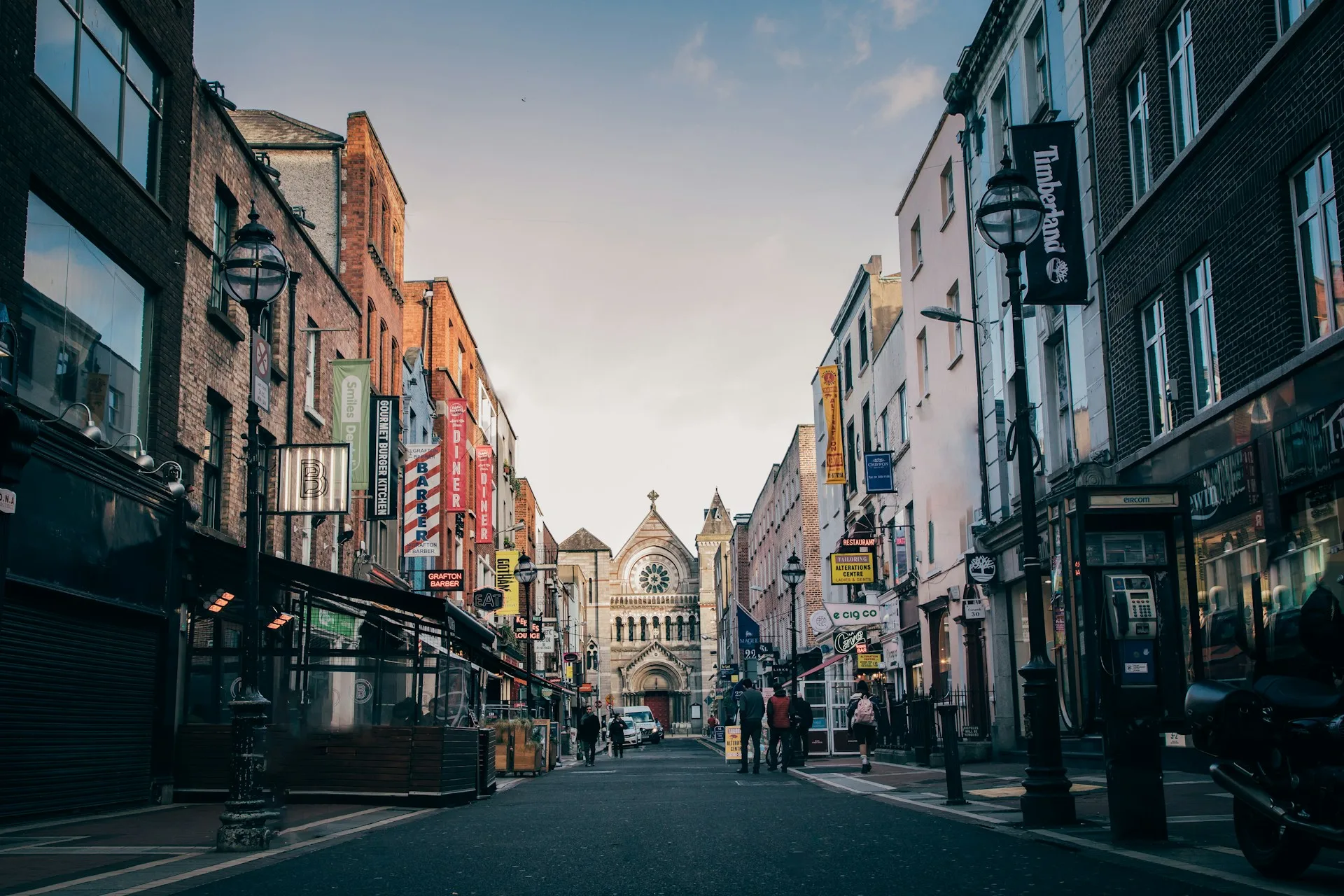
आयरलैंड में पढ़ाई
आयरलैंड में पढ़ाई की विशेषज्ञ गाइड — शीर्ष विश्वविद्यालय, प्रवेश, छात्र वीज़ा, ट्यूशन शुल्क, छात्रवृत्ति और Third Level Graduate Scheme।
एक नज़र में
मुख्य तथ्य
में क्यों पढ़ें आयरलैंड
आयरलैंड offers English-speaking education within the EU, globally ranked universities, Europe's biggest tech hub, and a graduate work scheme that lets you stay 1-2 years after your degree.
- English-speaking EU country with globally recognized degrees from QQI-accredited institutions.
- Trinity College Dublin and UCD rank in the world's top 200 (QS and THE rankings).
- European HQs for Google, Apple, Meta, and Microsoft create outstanding career pipelines.
- Third Level Graduate Scheme allows 1-2 years of post-study work without employer sponsorship.
अपनी पढ़ाई की योजना बनाएं
A step-by-step planning guide covering the September and January intakes, the CAO system for स्नातकs, QQI framework, credential recognition through NARIC आयरलैंड, and English language requirements.
- Main intake is September; some universities offer January starts for select programs.
- CAO (Central Applications Office) handles all स्नातक applications to Irish universities.
- QQI framework ensures Irish qualifications are recognized across the EU and internationally.
- IELTS 6.0-6.5 required for most programs; some accept Duolingo English Test or PTE.
कार्यक्रम और विश्वविद्यालय in आयरलैंड
A comprehensive guide to आयरलैंड's 8 universities and Technological विश्वविद्यालय -- program types, the QQI framework, subject strengths, and how to choose the right institution for your goals.
- 8 universities plus Technological विश्वविद्यालय, all quality-assured by QQI.
- Trinity College Dublin (81st QS 2025) and UCD (126th) lead globally.
- NFQ framework ensures qualifications are recognized across the EU and worldwide.
- Strong specializations in technology, pharma, humanities, and agriculture.
प्रवेश और आवेदन
Everything you need to apply to Irish universities -- the CAO system for स्नातकs, direct स्नातकोत्तर applications, required documents, and tips for a strong application.
- CAO handles all स्नातक applications with a February 1 deadline.
- Postgraduate applications go directly to each university, typically October-April.
- Required documents include transcripts, English tests (IELTS 6.0-6.5), and references.
- International qualifications are assessed via NARIC आयरलैंड and university admissions.
लागत और वित्तपोषण
A realistic breakdown of tuition fees, living costs by city, scholarships, and part-time work earnings for अंतरराष्ट्रीय छात्र in आयरलैंड.
- EU/EEA tuition: EUR 3,000-9,000/year. Non-EU tuition: EUR 10,000-25,000/year.
- मासिक living costs: EUR 800-1,500 depending on city (Dublin highest).
- Government of आयरलैंड छात्रवृत्तियां, SFI funding, and university-specific awards available.
- Part-time work allowed up to 20 hours/week during term, 40 hours during holidays.
वीज़ा और आगमन
Complete guide to Irish student permission for non-EU students -- visa requirements, IRP registration, Stamp 2 immigration permission, and your first-week checklist after arriving.
- Non-EU students need a student permission (Stamp 2) and may need a pre-entry visa.
- IRP (Immigration Registration Programme) registration required within 90 days of arrival.
- Financial proof: EUR 10,000 in accessible funds plus tuition fees.
- Step-by-step arrival checklist from airport to university registration.
में रहना आयरलैंड
Everything you need to know about daily life as an international student in आयरलैंड -- housing, healthcare, transport, banking, culture, and safety.
- आवास options from EUR 400-1,200/month: university halls, flatshares, and homestay.
- Healthcare through private insurance (required) and access to public GP services.
- Student Leap Card offers discounted public transport nationwide.
- Safe, friendly culture with vibrant student life and easy access to Europe.
काम और करियर in आयरलैंड
Your complete guide to working while studying in आयरलैंड -- student work rights, typical wages, the Third Level Graduate Scheme, and career pathways in Europe's tech hub.
- Work up to 20 hours/week during term, 40 hours during holidays.
- National minimum wage EUR 12.70/hour (2026).
- Third Level Graduate Scheme: 1-2 years post-study work without employer sponsorship.
- Critical Skills Employment Permit for high-demand occupations and long-term stay.