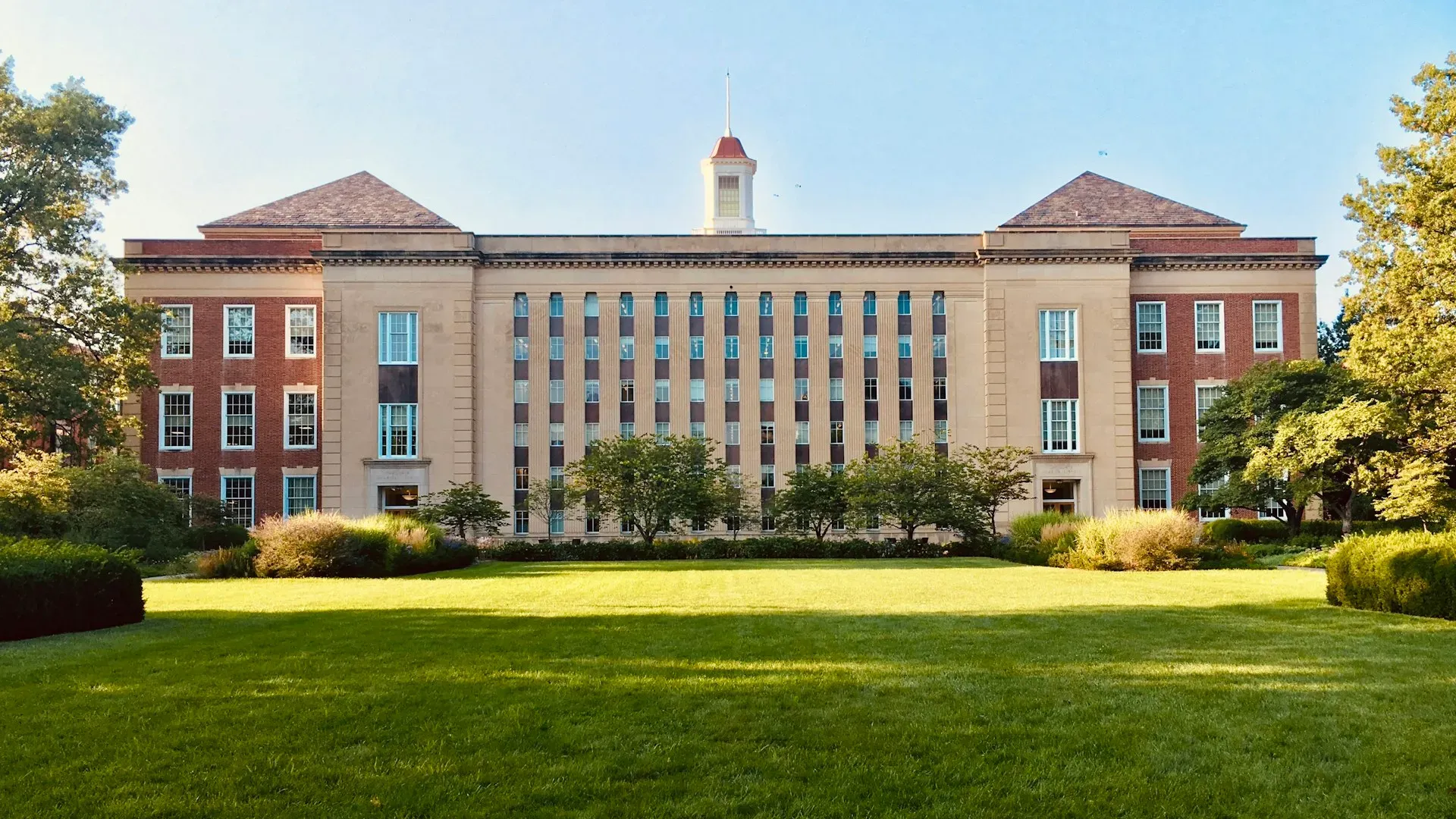
Costes y Financiacion - Estudiar en Estados Unidos (es)
Studying en Estados Unidos requires careful financial planning. This guide provides real tuition figures, living cost breakdowns by region, and a comprehensive overview of scholarships, assistantships, and funding strategies.
The Real Cost of Studying en Estados Unidos
The Estados Unidos is one of the more expensive study destinations in the world, but it also offers more funding options than most countries. Understanding the full cost picture, and the many ways to reduce it, is essential for making a smart financial decision.
This guide breaks down tuition by institution type, costes de vida by region, mandatory fees, and every major funding option available to estudiantes internacionales. For an overview of why the investment can be worthwhile, see our why study en Estados Unidos guide.
Tuition Costs by Institution Type
Tuition is the largest expense and varies dramatically dependiendo de the type of institution and program.
Undergraduate tuition
| Institution Type | Annual Tuition (International) | Examples |
|---|---|---|
| Community college | USD 8,000 - 15,000 | Santa Monica College, De Anza College |
| Public university (state flagship) | USD 25,000 - 45,000 | UC Berkeley, U Michigan, UT Austin |
| Private university | USD 40,000 - 65,000+ | MIT, Stanford, NYU, USC |
| Ivy League | USD 60,000 - 67,000 | Harvard, Yale, Princeton, Columbia |
Importante: These figures represent tuition and fees only. The total cost of attendance includes housing, food, insurance, books, and personal expenses, adding USD 15,000-25,000 al ano dependiendo de location.
Graduate tuition
Graduate tuition varies even more widely dependiendo de the program:
| Program Type | Matricula anual | Notas |
|---|---|---|
| Master's (public university) | USD 20,000 - 40,000 | Varies by field and state |
| Master's (private university) | USD 35,000 - 65,000 | Business and law programs at the higher end |
| MBA (top programs) | USD 70,000 - 80,000 | 2-year total: USD 140,000-160,000 |
| PhD (STEM) | Often USD 0 (fully funded) | Tuition waiver + stipend through assistantship |
| PhD (humanities/social science) | Often USD 0 (funded at top programs) | Funding less guaranteed at lower-ranked programs |
Consejo: For PhD programs, always look at the funding package rather than the sticker price. Most competitive PhD programs in STEM fields cover full tuition and provide a living stipend of USD 2,000-3,500/month. If a PhD program does not offer funding, consider whether it is the right investment.
Costes de Vida by Region
The coste de vida en Estados Unidos varies enormously dependiendo de where you study. A dollar goes much further in a small Midwestern college town than in Manhattan or San Francisco.
Monthly living cost comparison
| Expense | High-Cost City (NYC, SF, Boston) | Mid-Cost City (Chicago, Austin, Seattle) | Low-Cost Area (Midwest/South college towns) |
|---|---|---|---|
| Alquiler (apartamento compartido) | USD 1,200 - 2,200 | USD 800 - 1,400 | USD 500 - 900 |
| Food/groceries | USD 400 - 600 | USD 300 - 500 | USD 250 - 400 |
| Transporteation | USD 100 - 150 (transit) | USD 100 - 200 | USD 50 - 150 (car may be needed) |
| Seguro medico | Included in university plan | Included in university plan | Included in university plan |
| Phone/internet | USD 50 - 80 | USD 50 - 80 | USD 50 - 80 |
| Personal/entertainment | USD 200 - 400 | USD 150 - 300 | USD 100 - 250 |
| Monthly total | USD 2,000 - 3,500 | USD 1,500 - 2,500 | USD 1,000 - 1,800 |
| Annual total | USD 24,000 - 42,000 | USD 18,000 - 30,000 | USD 12,000 - 21,600 |
On-campus vs. off-campus housing costs
| Housing Type | Coste mensual | Ventajas | Desventajas |
|---|---|---|---|
| On-campus dorm (habitacion compartida) | USD 800 - 1,500 | Convenient, social, includes utilities | Less privacy, meal plan often required |
| On-campus apartment | USD 1,000 - 2,000 | More independence, still on campus | Limited availability, may have waitlist |
| Off-campus apartamento compartido | USD 500 - 1,500 | More affordable, more freedom | Requires lease, utilities separate |
| Off-campus studio/1BR | USD 900 - 2,500 | Full privacy | Most expensive option |
| Familia de acogida | USD 800 - 1,200 | Cultural immersion, meals often included | Less independence |
Consejo: First-year students are often required to live on campus. This can actually be a financial advantage if a meal plan is included, as it eliminates the need to buy furniture, kitchen supplies, and groceries. After your first year, moving off campus to a apartamento compartido is normalmente the most cost-effective option.
Mandatory Fees and Expenses
Beyond tuition and rent, budget for these required costs:
| Expense | Estimated Annual Cost | Notas |
|---|---|---|
| Seguro medico | USD 1,500 - 3,000 | Mandatory como maximo universities |
| Libros y material | USD 500 - 1,200 | Textbooks, lab supplies, software |
| University fees | USD 500 - 2,000 | Technology, activity, facility fees |
| SEVIS fee | USD 350 (one-time) | Requerido for F-1 visa |
| Visa tasa de solicitud | USD 185 (one-time) | F-1 visa fee (MRV fee) |
| Credential evaluation | USD 160 - 250 (one-time) | WES or ECE evaluation |
| Application fees | USD 500 - 1,000 (one-time) | USD 50-90 per application |
Seguro medico: what necesitas know
Seguro medico is mandatory for estudiantes internacionales at virtually all universidades estadounidenses. Most institutions require you to enroll in their own student seguro medico plan unless puedes demonstrate comparable coverage from another source (which is increasingly difficult for estudiantes internacionales).
University health plans normalmente cover:
- Doctor visits and urgent care
- Hospital stays
- Prescription medications
- Salud mental services
- Preventive care
They normalmente do not cover:
- Dental care (separate dental plan may be available)
- Vision care (separate vision plan may be available)
- Pre-existing condition waiting periods (varies by plan)
- Travel outside the US
Compare student seguro medico options for the USA →
Becas and Financial Aid
University merit scholarships
Many universidades estadounidenses offer merit-based scholarships to estudiantes internacionales. These are awarded based on academic achievement, test scores, leadership, or special talents rather than financial need.
Examples of merit scholarships for estudiantes internacionales:
| Universidad | Beca | Cantidad | Criteria |
|---|---|---|---|
| University of Alabama | International Scholar Award | Up to full tuition | High GPA and test scores |
| Clark University | LEEP Scholars | USD 15,000-25,000/year | Academic merit |
| Oregon State University | International Cultural Service Program | In-state tuition rates | Cultural exchange commitment |
| University of Minnesota | Global Excellence Scholarship | USD 10,000-25,000/year | Academic achievement |
| Illinois Wesleyan | International Student Scholarships | Up to USD 30,000/year | Academic merit and talent |
| Berea College | Full tuition for all admitted students | Full tuition | Need-based; all students work on campus |
Consejo: Some universities that are less well-known internationally offer the most generous scholarships to attract estudiantes internacionales. Do not overlook mid-tier schools that may give you a better financial package than a top-ranked school with no aid.
Need-based financial aid
Need-based aid for estudiantes internacionales is limited but available at some well-endowed institutions. Schools with need-blind admissions for estudiantes internacionales (meaning your financial need does not affect your admission decision) include:
- Harvard University
- Yale University
- Princeton University
- MIT
- Amherst College
A few additional schools are need-aware but meet 100% of demonstrated financial need for admitted estudiantes internacionales, including Dartmouth, Brown, Columbia, and Stanford.
Graduate assistantships
Graduate students, particularmente at the doctoral level, can receive substantial funding through assistantships:
Research Assistantships (RA):
- Work in a professor's research lab
- Normalmente cover full tuition + stipend of USD 2,000-3,500/month
- Most common in STEM fields
Teaching Assistantships (TA):
- Lead discussion sections, grade assignments, hold office hours
- Normalmente cover full tuition + stipend of USD 1,800-3,000/month
- Available across disciplines
Graduate Assistantships (GA):
- Administrative or departmental work
- May cover partial tuition + smaller stipend
- Available in various departments
External scholarships
Numerous organizations offer scholarships to estudiantes internacionales studying en Estados Unidos:
- Fulbright Foreign Student Program: Fully funded graduate study for citizens of 160 countries. Covers tuition, gastos de vida, airfare, and seguro medico.
- AAUW International Fellowships: USD 18,000-30,000 for women pursuing graduate study en Estados Unidos.
- Hubert Humphrey Fellowship: Fully funded non-degree program for mid-career professionals from developing countries.
- Joint Japan/World Bank Graduate Scholarship: For students from developing countries pursuing development-related master's degrees.
- Government scholarships: Many countries offer their own scholarships for citizens studying abroad (e.g., DAAD for Germans, CSC for Chinese students, Chevening adjacent programs).
Consejo: Apply to external scholarships 12-18 months before your intended start date. Many have early deadlines and lengthy selection processes.
Strategies to Reduce Costs
The community college transfer pathway
One of the most effective cost-saving strategies is starting at a community college:
- Year 1-2: Attend a community college at USD 8,000-15,000/year in tuition
- Year 3-4: Transfer to a four-year university to complete your bachelor's degree
Potential savings: USD 30,000-100,000 in total tuition over four years. Many community colleges have guaranteed transfer agreements with state universities, so this is a well-established pathway.
Other cost-reduction strategies
- Apply to schools known for estudiante internacional aid: Research which schools have the largest estudiante internacional scholarship budgets.
- Consider location carefully: Studying in a lower-cost region (Midwest, South, smaller cities) can save USD 5,000-15,000/year in costes de vida.
- Use on-campus employment: F-1 students can trabajar hasta 20 horas/semana during the curso academico, earning USD 10-18/hour (USD 4,000-7,000/year).
- Buy used textbooks or rent: Services like Chegg, Amazon Rentals, and campus book swaps can save hundreds per semester.
- Choose a meal plan wisely: If living on campus, select the plan that matches your actual eating habits. Larger plans often have unused meals.
- Apply for CPT internships: After your first year, paid internships through CPT can provide significant income and career experience. See our work and career guide.
- Summer courses at community college: If your university allows it, taking summer courses at a nearby community college can save money on credits.
Creating Your Budget
Sample annual budget: public university in a mid-cost city
| Categoria | Coste anual |
|---|---|
| Tuition and fees | USD 32,000 |
| Housing (shared off-campus apartment) | USD 10,800 |
| Food and groceries | USD 4,800 |
| Seguro medico | USD 2,200 |
| Libros y material | USD 800 |
| Transporteation | USD 1,800 |
| Personal expenses | USD 2,400 |
| Phone and internet | USD 720 |
| Total | USD 55,520 |
Sample annual budget: community college in a mid-cost area
| Categoria | Coste anual |
|---|---|
| Tuition and fees | USD 11,000 |
| Housing (shared off-campus apartment) | USD 9,600 |
| Food and groceries | USD 4,200 |
| Seguro medico | USD 2,000 |
| Libros y material | USD 600 |
| Transporteation | USD 1,500 |
| Personal expenses | USD 2,000 |
| Phone and internet | USD 720 |
| Total | USD 31,620 |
Financial Documentation for Visa
To receive your I-20 form (required for the F-1 visa), debes prove financial ability to cover al menos one year of study. Your university will specify the exact amount, based on their official cost of attendance.
Requerido documents normalmente include:
- Extractos bancarios (dated within 6 months) showing liquid funds
- Sponsor affidavit if funds are from a parent or other sponsor
- Scholarship award letters
- Loan approval letters from recognized financial institutions
- Employer sponsorship letters (if applicable)
For details on the visa process and financial requirements, see our visa and arrival guide.
Proximos Pasos
- Calculate your budget using the cost tables above and your target schools' official cost of attendance figures.
- Research scholarships at each university on your list asi como external awards.
- Prepare financial documents early, especialmente extractos bancarios and sponsor letters.
- Consider the community college pathway if cost is a primary concern.
- Apply for funding before the deadline, as many scholarship deadlines coincide with or precede admission deadlines.
- Build your application using our admissions and application guide.
With careful planning and creative use of the many funding options available, studying en Estados Unidos is more affordable than many students initially assume. The key is starting your financial planning early and casting a wide net for funding opportunities.
Preguntas frecuentes
Cuanto cuesta it cost to study en Estados Unidos as an estudiante internacional?
Que es el/la tuition difference between public and private universities?
Can estudiantes internacionales get scholarships en Estados Unidos?
Do graduate students get funding en Estados Unidos?
Cuanto cuesta seguro medico cost for estudiantes internacionales?
Cuales son costes de vida in different US regions?
Puedo work while studying to help cover costs?
Hay ways to get in-state tuition as an estudiante internacional?
Guías relacionadas
Why Study en Estados Unidos
The Estados Unidos hosts over one million estudiantes internacionales each year, offering world-class universities, unmatched research funding, and a flexible education system that lets you shape your own academic path.
🗺️Planifica tus Estudios
Guia de planificacion paso a paso que cubre las convocatorias de septiembre y enero, el sistema CAO para grado, el marco QQI, el reconocimiento de titulaciones a traves de NARIC Ireland y los requisitos de ingles.
🎓Programas y Universidades
A comprehensive guide a Nueva Zelanda's 8 universities, polytechnics, popular fields of study, and how to choose the right program and institution for your goals.
📝Admision y Solicitud
Todo lo que necesitas saber para solicitar plaza en universidades italianas -- preinscripcion, Dichiarazione di Valore, examenes de ingreso y consejos para navegar la burocracia academica italiana.
🛂Visado y Llegada
Guia completa del permiso de estudiante irlandes para estudiantes de fuera de la UE -- requisitos de visado, registro IRP, permiso de inmigracion Stamp 2 y lista de tareas de tu primera semana.
🏡Living en Estados Unidos
From housing and seguro medico to banking and tipping culture, this guide covers everything estudiantes internacionales need to know about daily life in the Estados Unidos.
💼Trabajo y Carrera
Your complete guide to working during and after your studies en Nueva Zelanda -- trabajo a tiempo parcial rights, trabajo post-estudios visa, key industries, and the pathway to residency.